

Strava Launches New Hiking Features for Better Navigation and Planning
Strava has launched a suite of dedicated hiking features, including 3D activity maps, off-route alerts, and Apple Watch navigation, to support a growing outdoor community. According to a Strava official statement reported by ANTARA, the update follows a 5.8-fold increase in hiking clubs on the platform during 2025.
Why is Strava expanding into specialized hiking tools?
The shift reflects a documented surge in hiking’s popularity as a mainstream sport. Strava’s “Year In Sport” report indicates that hiking clubs grew 5.8 times over in 2025, signaling a move away from purely road-based fitness tracking toward rugged, off-trail exploration.
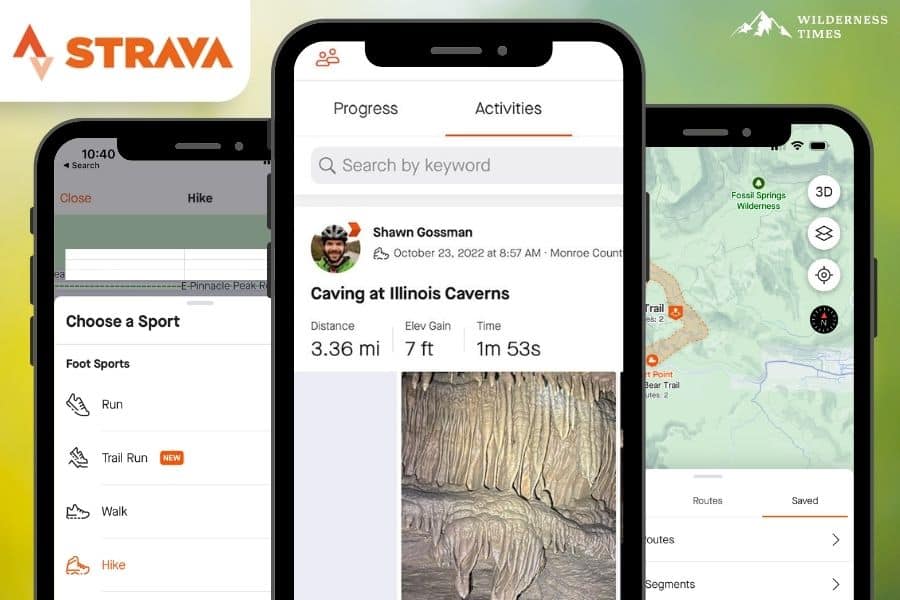
By integrating specific topography and surface data, the platform aims to capture a larger share of the outdoor enthusiast market. This move places Strava in direct competition with specialized GPS mapping tools by blending social connectivity with technical navigation.
How do the new navigation and planning features work?
Strava’s updated map interface now includes specific markers for trailheads, picnic areas, and campsites. According to the company, the “Route Discovery” tool uses global activity data to highlight the most popular paths in any given region, reducing the guesswork for new hikers.
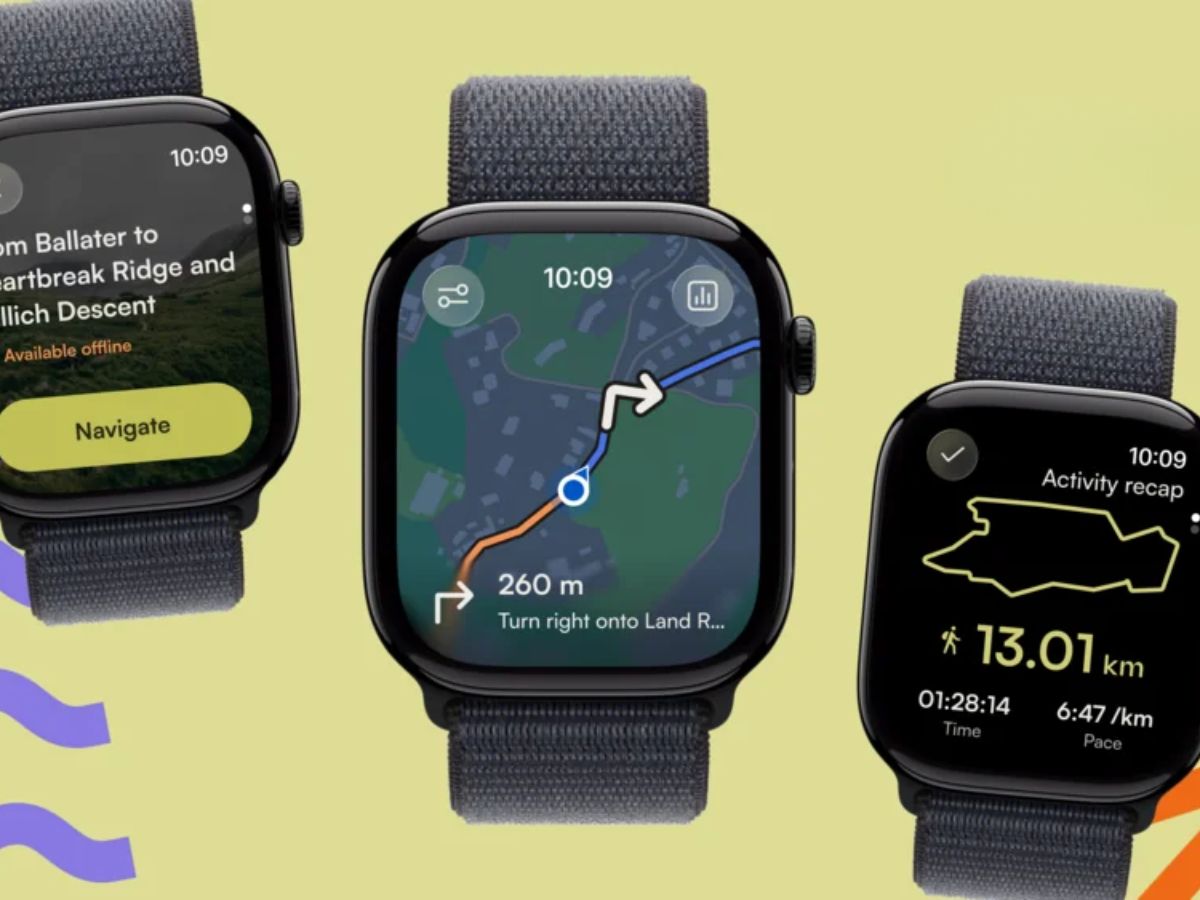
For those designing their own paths, the “Route Builder” provides real-time data on distance, elevation, and surface conditions. Users can save these routes for quick access via the “Route Storage” feature.
To prevent hikers from getting lost, Strava introduced “Off-Route Alerts,” which trigger notifications the moment a user deviates from their planned path. This is a critical safety addition for backcountry environments where trails aren’t always clearly marked.
What hardware and offline capabilities are supported?
Navigation is no longer tethered to a smartphone. Strava now allows users to follow routes directly on an Apple Watch. Additionally, planned routes can be synchronized with compatible Garmin and Coros devices, according to the official release.
Recognizing that cellular service is often nonexistent in the mountains, Strava provides offline routing. This ensures that navigation remains functional without an active internet connection, a necessity for remote wilderness trekking.
How are social sharing and visualization changing?
The platform is moving toward high-fidelity visualization. A new “3D Activity Map” allows users to view their completed hikes as three-dimensional landscapes, showing exact topographical elevation. For subscribers, the “Flyover” feature creates 3D animations of the route based on actual elevation data.
Social interaction has also been updated with the “Repeat Activity” feature. This allows a user’s hike to reappear on their friends’ feeds, letting followers track the journey from start to finish. Strava also added statistics stickers—detailing duration, distance, and elevation—specifically for sharing on other social media platforms.
What is the rollout timeline for these updates?
Most of the mentioned features are currently live within the Strava app. However, Strava noted that the specific updates to the map styles are scheduled for release between September and October of this year.

While many features are free for all users, advanced tools—such as cinematic sharing, offline navigation, and advanced route planning—remain exclusive to paying subscribers.
Frequently Asked Questions
Are the new hiking features free?
Basic features are free for all users, but advanced navigation, offline maps, and cinematic sharing require a subscription, according to Strava.
Which smartwatches are compatible with Strava’s new routing?
The app supports Apple Watch, Garmin, and Coros devices.
When will the new map styles be available?
The map style updates are expected to launch in September or October.
Do you prefer using a dedicated GPS device or a smartphone app for your hikes? Let us know in the comments below or subscribe to our newsletter for more outdoor tech updates.