
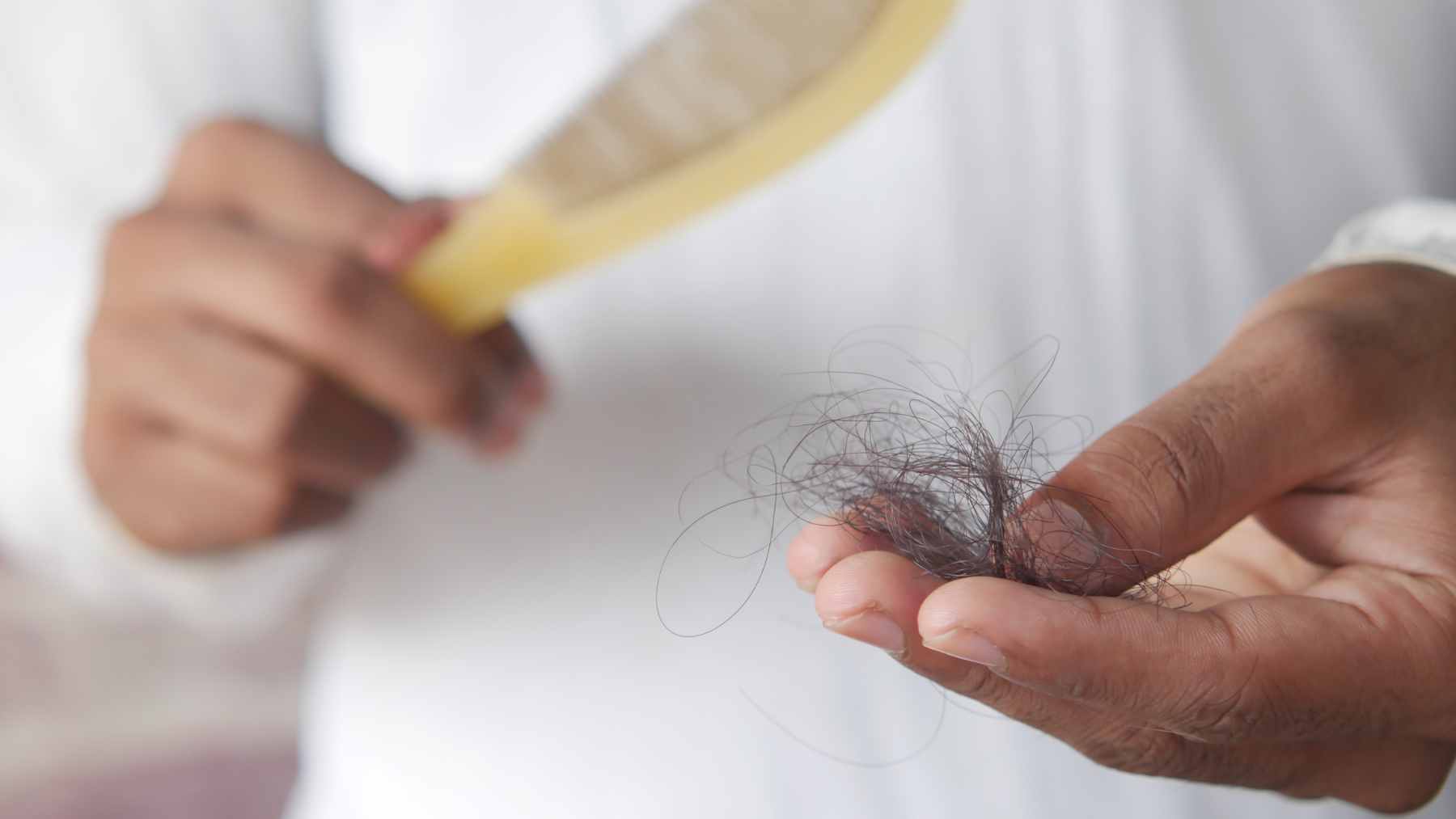
A researcher says the solution for treating hair loss could be as simple as a specific type of sugar, and the twist is how something that sounds too basic may target the biology underneath the follicle
A 2024 study published in Frontiers in Pharmacology found that 2-deoxy-D-ribose, a natural sugar found in DNA, may stimulate hair regrowth by improving blood supply to follicles. Researchers from the University of Sheffield and COMSATS University Pakistan observed these effects in mice, noting results similar to the hair loss medication minoxidil.
Why does a DNA sugar affect hair growth?
2-deoxy-D-ribose is a small sugar that forms part of the backbone of DNA, according to the National Human Genome Research Institute. Hair follicles require oxygen and nutrients to function as living tissue in the skin.
Researchers Sheila MacNeil, Muhammad Awais Anjum, and Muhammed Yar discovered the effect while studying whether the sugar could help wounds heal by encouraging new blood vessel growth. They noticed hair around treated wounds grew back faster than in untreated areas.
How does this compare to current treatments?
The research team tested the sugar in a gel on a testosterone-driven hair loss model in mice. The 2-deoxy-D-ribose gel improved hair length, follicle density, follicle size, and pigment in hair bulbs.
The study found the sugar’s effects were broadly similar to minoxidil in this animal model. However, combining the sugar with minoxidil did not provide a major additional benefit.
NCBI Bookshelf notes that finasteride and topical minoxidil are currently the only FDA-approved treatments for male androgenetic alopecia. Both require continuous use to maintain results.
Who is affected by androgenetic alopecia?
MedlinePlus Genetics describes androgenetic alopecia as a common form of hair loss affecting both sexes. It impacts an estimated 50 million men and 30 million women in the United States.
The condition can start in the teenage years, though risk increases with age. Women often notice thinning across the scalp after menopause, which can alter the appearance of a ponytail or part.
Inherited pattern hair loss is driven by several genetic and hormonal factors. Contrary to common myths, it does not stem solely from the mother’s side of the family.
What happens next in the research?
Sheila MacNeil stated the work is “very much early stage.” The mechanism is not fully proven, although earlier research suggests 2-deoxy-D-ribose increases signals linked to blood vessel formation.

Muhammed Yar described the sugar as “naturally occurring, inexpensive and stable.” These characteristics may make it a candidate for further research.
If future studies show the sugar is safe and effective in humans, it could provide a new method for supporting follicles via improved local blood supply. The American Academy of Dermatology notes that while losing 50 to 100 hairs a day is normal, visible bald spots or a widening part signal actual hair loss.
Frequently Asked Questions
What is 2-deoxy-D-ribose?
It is a small, naturally occurring sugar that helps make up the backbone of DNA molecules.
How was the sugar’s effect on hair discovered?
Researchers studying wound healing noticed that hair grew back faster around wounds treated with 2-deoxy-D-ribose compared to untreated wounds.
Is this sugar available as a baldness cure for people?
No. The study was conducted on mice and has not yet been tested as a baldness treatment in humans.
Do you think natural alternatives will eventually replace synthetic hair loss medications?