
About 8% of the country lacked health insurance in 2025, new data shows. That could rise next year
The proportion of Americans without health insurance remained steady at approximately 8% in 2025, according to data released Thursday by the U.S. Centers for Disease Control and Prevention. While this rate reflects a significant improvement from levels seen in previous years, the landscape of coverage is entering a period of potential instability.
A Shifting Healthcare Landscape
Although the national share of uninsured individuals held constant last year, the actual number of uninsured people grew by about 800,000, a figure influenced by overall U.S. Population growth. This increase includes 300,000 children who are now without coverage. While the CDC data provides a comprehensive look at 2025, experts note that the U.S. Census Bureau is often viewed as the official scorekeeper for insurance statistics.
The Trump administration has signaled a change in strategy, focusing on the expansion of low-premium catastrophic insurance plans and efforts to lower drug prices for the uninsured. Officials have suggested that anticipated declines in enrollment may reflect a reduction in fraudulent or ineligible participants rather than a loss of coverage for eligible Americans.
Future Implications for Coverage
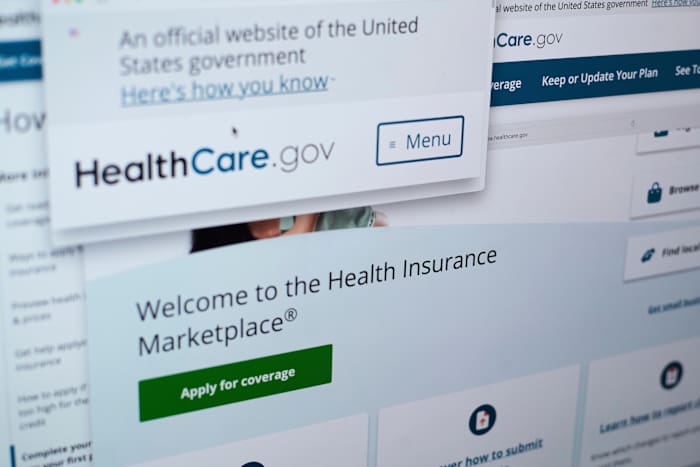
The stability observed in 2025 may face challenges in the coming year. The Congressional Budget Office estimates that significant changes to Medicaid passed into law last year could result in 10 million additional uninsured individuals over the next decade. The expiration of certain Affordable Care Act subsidies is expected to impact participation; the healthcare research nonprofit KFF projects that 5 million fewer people may enroll in marketplace health programs in 2026 compared to 2025.
Frequently Asked Questions
Why did the number of uninsured people increase even though the percentage stayed the same?
The number of uninsured individuals grew by approximately 800,000 due to the growth of the overall U.S. Population, even while the total percentage of the population without insurance remained at about 8%.
What is expected to happen to marketplace enrollment in 2026?
Due to the expiration of Affordable Care Act subsidies that previously offset premium costs, KFF expects that 5 million fewer people will enroll in marketplace health programs in 2026 compared to 2025.
How have government policies historically affected uninsured rates?
Uninsured rates have fluctuated based on policy shifts; for instance, rates dropped following the 2010 Affordable Care Act and reached an all-time low in 2023 due to pandemic-era policies designed to preserve coverage.
How do you believe the current changes to federal health programs will influence your family’s access to medical care in the coming years?