
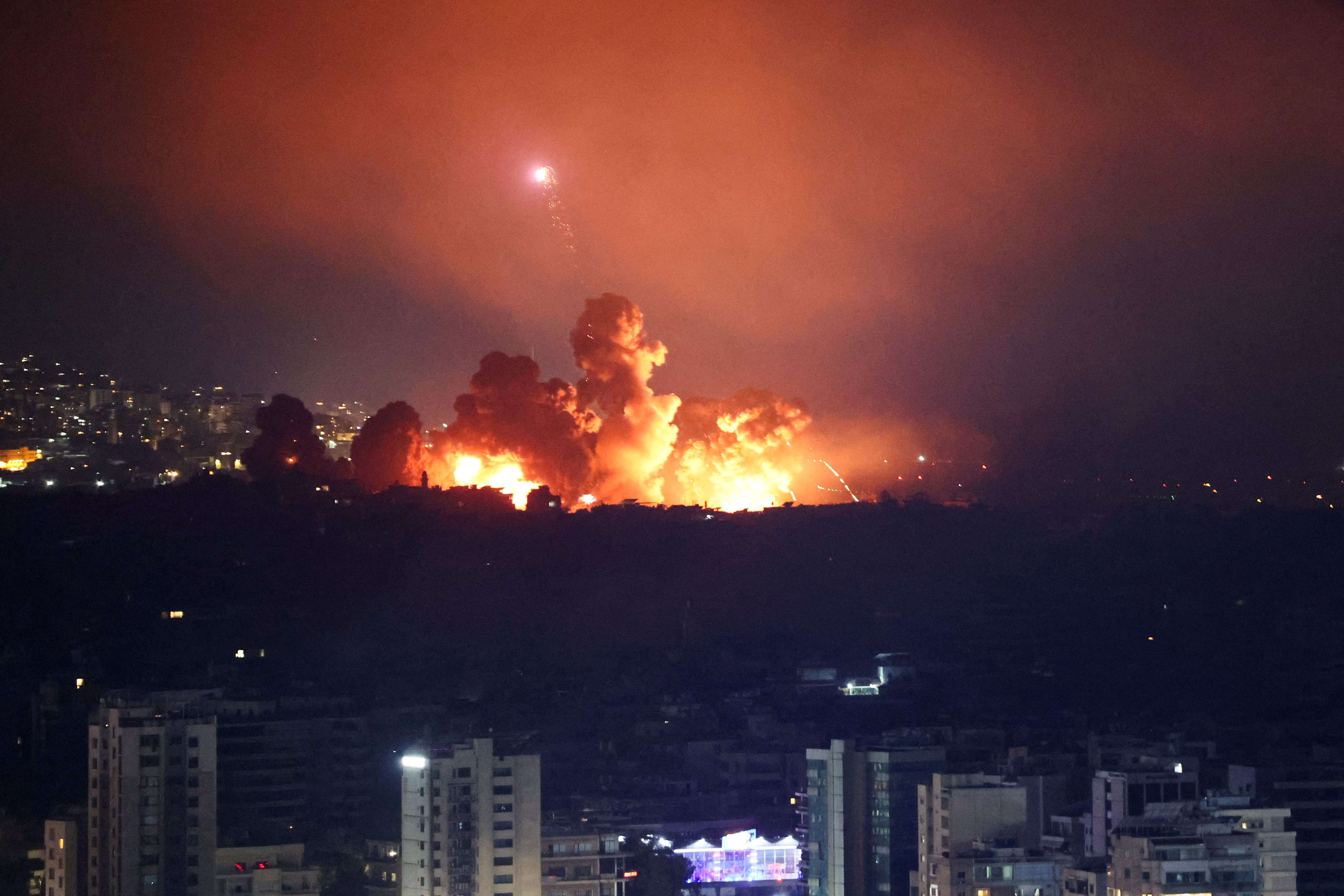
Israel and Hezbollah Clash in Southern Lebanon Amid Iran Warnings
On June 5, 2026, Hezbollah reported conducting approximately 20 attacks on Israeli troops in southern Lebanon, while the Israeli military stated it struck over 650 targets and eliminated more than 125 Hezbollah members over the preceding week. Lebanese President Joseph Aoun concurrently warned that Iran is using Lebanon as a bargaining chip in negotiations with the United States.
Why is the intensity of strikes in southern Lebanon increasing?
Military activity in southern Lebanon has shifted toward high-volume targeting. According to data shared by the Israeli military via X, the IDF struck more than 650 Hezbollah targets within a single week. This represents a concentrated effort to degrade Hezbollah’s infrastructure, resulting in the elimination of over 125 operatives.

Hezbollah continues to contest these operations. The group reported roughly 20 attacks on Israeli troops on June 5, according to reports from CBS News. The disparity in reported volume—20 attacks versus 650 targets struck—highlights a gap in how each side measures engagement and operational success.
How does Iran’s role affect Lebanese sovereignty?
The conflict isn’t just a border dispute; it’s a geopolitical lever. Lebanese President Joseph Aoun stated that Iran is using Lebanon as a “bargaining chip” in its diplomatic negotiations with the U.S. According to the Times of Israel, Aoun explicitly called this practice “unacceptable.”
This dynamic suggests a trend where local hostilities are modulated by Tehran to gain concessions from Washington. When Lebanon is treated as a diplomatic asset, the risk of prolonged conflict increases because the incentive for a ceasefire depends on external negotiations rather than local stability.
The “Bargaining Chip” Precedent
Aoun’s warning points to a recurring pattern in regional conflicts. By maintaining a high state of tension through Hezbollah, Iran can pressure the U.S. on separate issues, such as sanctions or nuclear agreements. This creates a cycle where southern Lebanon bears the physical cost of diplomatic disputes happening in Tehran and Washington.
What happens next in the Israel-Hezbollah escalation?
Future trends suggest a continued cycle of attrition. With the IDF focusing on “elimination” of targets and Hezbollah maintaining consistent attacks on troops, neither side has signaled a move toward de-escalation. The focus remains on degrading the opponent’s capability in the south.
If President Aoun’s assessment of Iranian influence holds, the level of violence may fluctuate based on the progress of U.S.-Iran talks. A breakthrough in those negotiations could lead to a sudden drop in Hezbollah activity, while a diplomatic stalemate could trigger further surges in targeting.
Frequently Asked Questions
How many Hezbollah targets did Israel strike?
The Israeli military reported striking over 650 targets and eliminating more than 125 Hezbollah members in southern Lebanon over the week leading up to June 5, 2026.
What was Hezbollah’s reported activity on June 5?
Hezbollah reported conducting approximately 20 attacks on Israeli troops in southern Lebanon on that date, according to CBS News.
Why is President Joseph Aoun critical of Iran?
President Aoun warned that Iran is using Lebanon as a bargaining chip in negotiations with the U.S., a move he described as unacceptable.
Join the conversation: Do you believe regional diplomacy can decouple Lebanon from the U.S.-Iran negotiations? Share your thoughts in the comments below or subscribe to our newsletter for real-time updates on Middle East security.