
Access Is Culture: A Guide to NYC’s Best Accessible Dining and Nightlife
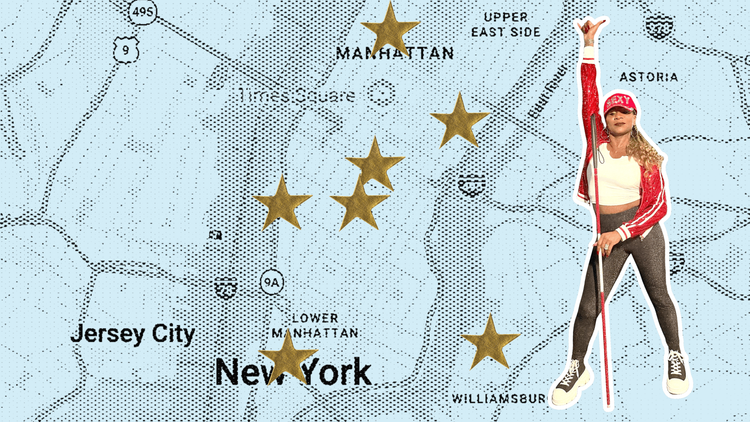
Recording artist, author, and executive Lachi is redefining the conversation around accessibility in New York City, arguing that true access transcends physical ramps to become a matter of culture. For Lachi, a blind professional of Nigerian descent, the quality of accessibility determines whether a disabled patron is merely being managed or is truly being welcomed into a space.
Beyond Minimum Requirements
Lachi emphasizes that accessibility is not a simple checklist but a “vibe” that impacts a person’s ability to be spontaneous, linger in a space, or interact socially. The distinction lies in details such as staff who speak directly to the patron, intuitive layouts, and lighting and music that do not punish the senses.
This perspective shifts the focus from basic ADA compliance to dignity, and autonomy. According to Lachi, the goal is for establishments to send a clear signal that disabled patrons are wanted and welcome to spend their money in these spaces.
Venues Leading the Way in Inclusive Design
Several New York City establishments have been highlighted for meeting these higher standards of integrated accessibility. City Winery is noted for a space built with access in mind regarding seating and entrances, with a team that does not treat patrons with sensory or physical conditions as problems to solve.
In the Financial District, 1803 NYC is recognized for its flexible seating and easy navigation, providing an environment where ambiance and access are not competing priorities. Similarly, Tacombi is noted for wide layouts and staff who accommodate requests without hesitation, though Lachi suggests reservations and calling ahead for specific seating due to potential noise levels.
Other notable mentions include Sea Thai Brooklyn for its spacious layout and accommodating staff, and Cafe Erzulie, described as a Queer, Black, and femme space where a high level of care is extended to disabled navigators.
Integrating High Culture and Accessibility
The intersection of accessibility and high culture is evident at Lincoln centre, where Lachi has both performed and visited as a patron. The venue provides audio-described and sensory-friendly performances alongside thoughtful front-of-house practices, suggesting that high culture does not have to be gatekept by design.
Future Implications for NYC Hospitality
The emphasis on “access as culture” could lead other New York City establishments to move beyond minimum legal requirements. There may be a shift toward adopting more flexible seating and sensory-conscious environments to attract a broader range of patrons.
As more public figures like Lachi—who is currently balancing recording sessions for the upcoming album Magnificent and writing her book I Identify As Blind—vocalize these needs, businesses may find that integrating dignity and autonomy into their service model is a viable path toward increased inclusivity.
Frequently Asked Questions
What does Lachi mean when saying “access is culture”?
It means that accessibility determines who is allowed to feel welcome, who can be spontaneous, and who is able to linger and socialize, such as flirting with a bartender, rather than just meeting a physical minimum.
Which venues are recommended for their spacious layouts?
Tacombi, Sea Thai Brooklyn, and 1803 NYC are all noted for having wide, flexible, or spacious layouts that are easy to navigate.
What specific accessibility features does Lincoln centre offer?
Lincoln centre provides sensory-friendly and audio-described performances, as well as thoughtful front-of-house practices.
How can local businesses shift their perspective from “managing” disabled patrons to making them feel truly welcome?