

Acer Unveils New AR Headset and Meta Ray-Ban Competitor Smart Glasses
Beyond the Screen: The Rise of Ambient Computing
For a decade, our relationship with technology has been defined by the “rectangle in the pocket.” We stare down at smartphones, disconnecting from the physical world to engage with a digital one. But the recent entry of players like Acer into the smart glasses market signals a fundamental shift toward ambient computing.
Ambient computing is the idea that technology should disappear into the background, becoming an invisible layer that supports us rather than a device that demands our full attention. When you move from a handheld screen to a heads-up display, the digital world stops being a destination and starts being an overlay.

We are moving toward a future where “checking your phone” is replaced by “glancing at the world.” Whether it’s a navigation arrow appearing on the actual street or a real-time translation of a foreign menu, the goal is to keep our eyes up and our minds present.
The AI Integration: From Voice Commands to Predictive Sight
The integration of Large Language Models (LLMs) like Google Gemini into wearables is the real catalyst here. Previous iterations of smart glasses failed because they relied on rigid, scripted voice commands. If you didn’t say the exact phrase, the device didn’t understand.

Modern AI glasses are different. They possess multimodal capabilities, meaning they can see what you see and hear what you hear. Imagine walking into a grocery store and having your glasses highlight the healthiest options on the shelf based on your specific dietary needs, or reminding you of a colleague’s name the moment they walk into your field of vision.
This shift transforms wearables from “accessories” into “cognitive enhancers.” We aren’t just capturing photos or playing music; we are augmenting our own memory and perception in real-time.
Breaking Language Barriers in Real-Time
One of the most immediate trends is the death of the language barrier. With live captions and real-time AI translation, the world becomes a smaller place. Instead of fumbling with a translation app on a screen, the translation appears as a subtitle in your line of sight, allowing for natural, eye-to-eye human connection.
Spatial Computing for the Everyman: Productivity Unbound
While AI glasses handle the “ambient” side of things, wired AR headsets—like the Acer AR Vision GR0—are targeting the “productivity” side. The ability to project a 172-inch virtual screen is a game-changer for the remote work era.
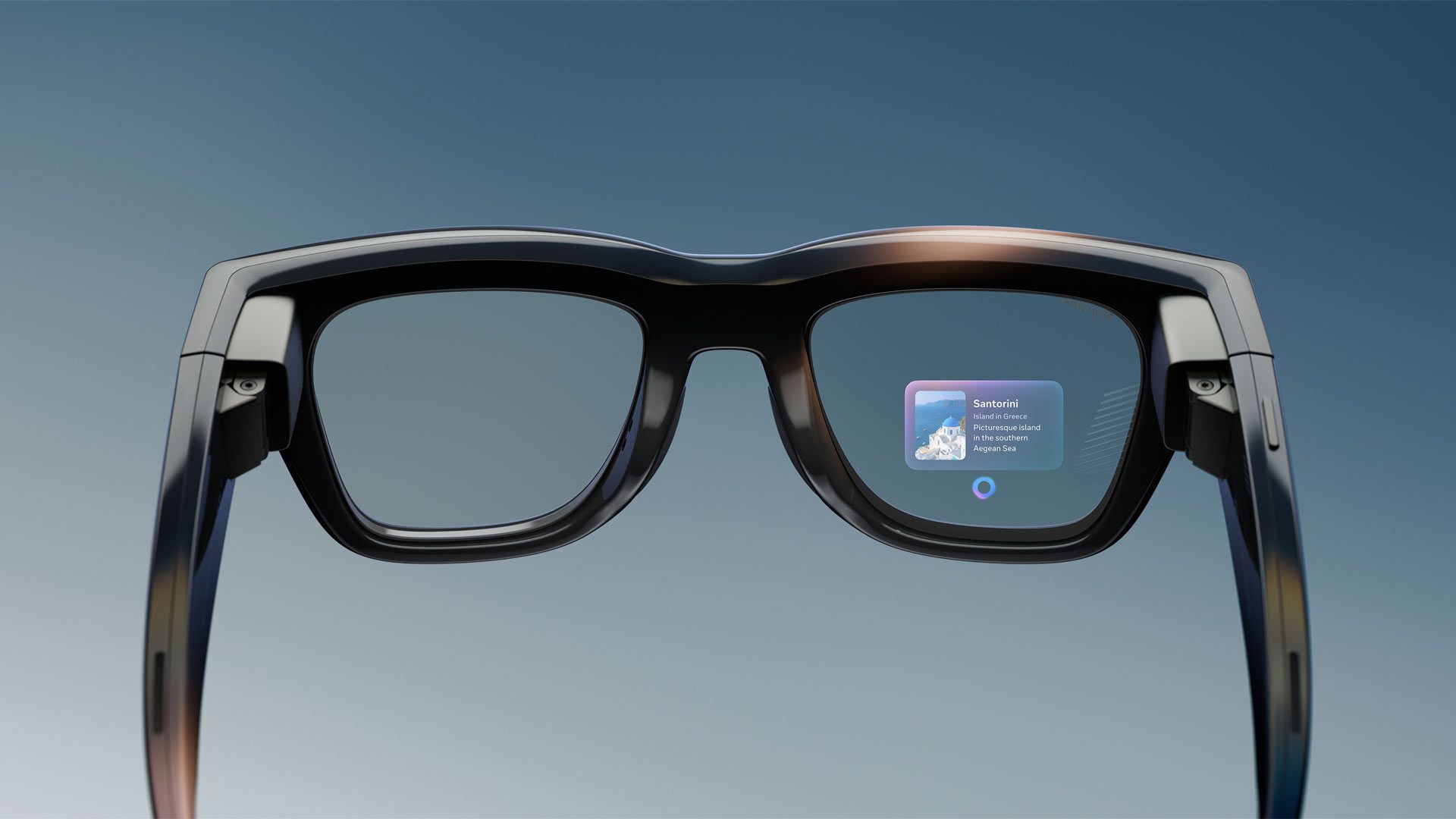
We are seeing a transition where the physical monitor is becoming optional. For digital nomads or corporate travelers, the “office” is now whatever seat they occupy on a plane or in a coffee shop. This virtual workspace trend allows for massive multitasking without the bulk of multiple physical screens.
According to industry reports from Gartner, the convergence of 5G and edge computing will soon allow these glasses to offload heavy processing to the cloud, making them even lighter and the visuals even sharper.
The Design Hurdle: Aesthetics vs. Power
The biggest challenge for the future of wearables isn’t the software—it’s the “social friction.” For years, smart glasses looked like bulky sci-fi props. The trend is now moving toward invisible tech.
The push for frames under 50 grams and the inclusion of magnetic myopia lenses shows that manufacturers are finally prioritizing the human element. For this tech to go mainstream, it must look like eyewear first and a computer second. If it doesn’t fit the fashion aesthetic, it won’t fit into the consumer’s life.
the move toward open ecosystems (supporting Android, iOS, and Windows) suggests that the industry is moving away from “walled gardens” to ensure these devices can integrate into any existing tech stack. You can read more about how cross-platform compatibility is driving wearable adoption.
Frequently Asked Questions
Will smart glasses replace smartphones?
Not immediately. They will likely act as a companion first, handling notifications and quick tasks, while the phone remains the primary hub for heavy data entry and complex app management.
Are smart glasses a privacy risk?
Yes, the inclusion of cameras always raises privacy concerns. Future trends will likely include clearer physical indicators (like bright LEDs) to notify others when a device is recording.
Can people with prescription lenses use AR glasses?
Yes. The industry is moving toward magnetic lens inserts and prescription-ready frames to ensure accessibility for all users.
What is the difference between AR and AI glasses?
AR (Augmented Reality) glasses project visual imagery onto your field of view. AI glasses typically focus on audio, voice assistance, and data capture without necessarily adding a visual overlay.
Ready to Step Into the Future?
Do you think smart glasses will eventually replace your phone, or are they just another gadget for the drawer? Let us know your thoughts in the comments below!