

Adegan Margot Robbie yang Dihapus di Wuthering Heights
Oscar-winning director Emerald Fennell is challenging the polished conventions of historical cinema with her upcoming adaptation of Wuthering Heights. The filmmaker has voiced strong criticisms regarding the lack of realism in modern period pieces, particularly the depiction of women’s hygiene.
Fennell specifically pointed to adaptations of classic novels, such as those by Jane Austen, where female characters often adhere to modern grooming standards. She questioned the logic of these portrayals, noting that characters frequently appear “without hair like eels,” a standard she finds unrealistic for the era.
The Pursuit of Historical Authenticity
Driven by this desire for accuracy, Fennell insisted that Margot Robbie, who portrays Catherine ‘Cathy’ Earnshaw, feature prominent armpit hair to reflect the social norms of the late 1700s. This choice was intended to ground the character in the actual physical reality of the time period.

However, this commitment to detail did not survive the final cut. Fennell expressed regret that the scenes showcasing the actress’s natural body hair were removed during the editing process to ensure the film’s duration remained efficient.
Provocation and Impulse in Direction
Beyond grooming standards, the director introduced a highly unconventional and sensual moment in the film. In one scene, Cathy inserts her finger into the mouth of a fish encased in a savory jelly, known as aspic.
Fennell described the idea as an impulsive reaction to seeing a fish in aspic, deciding it would be a fitting action for a character experiencing intense sexual frustration and a feeling of being trapped.
An Interpretation of Memory
Fennell, serving as both director and screenwriter, clarified that her version of Wuthering Heights is not a word-for-word adaptation of Emily Brontë’s novel. Instead, the script is based on her own memories of reading the book as a teenager.
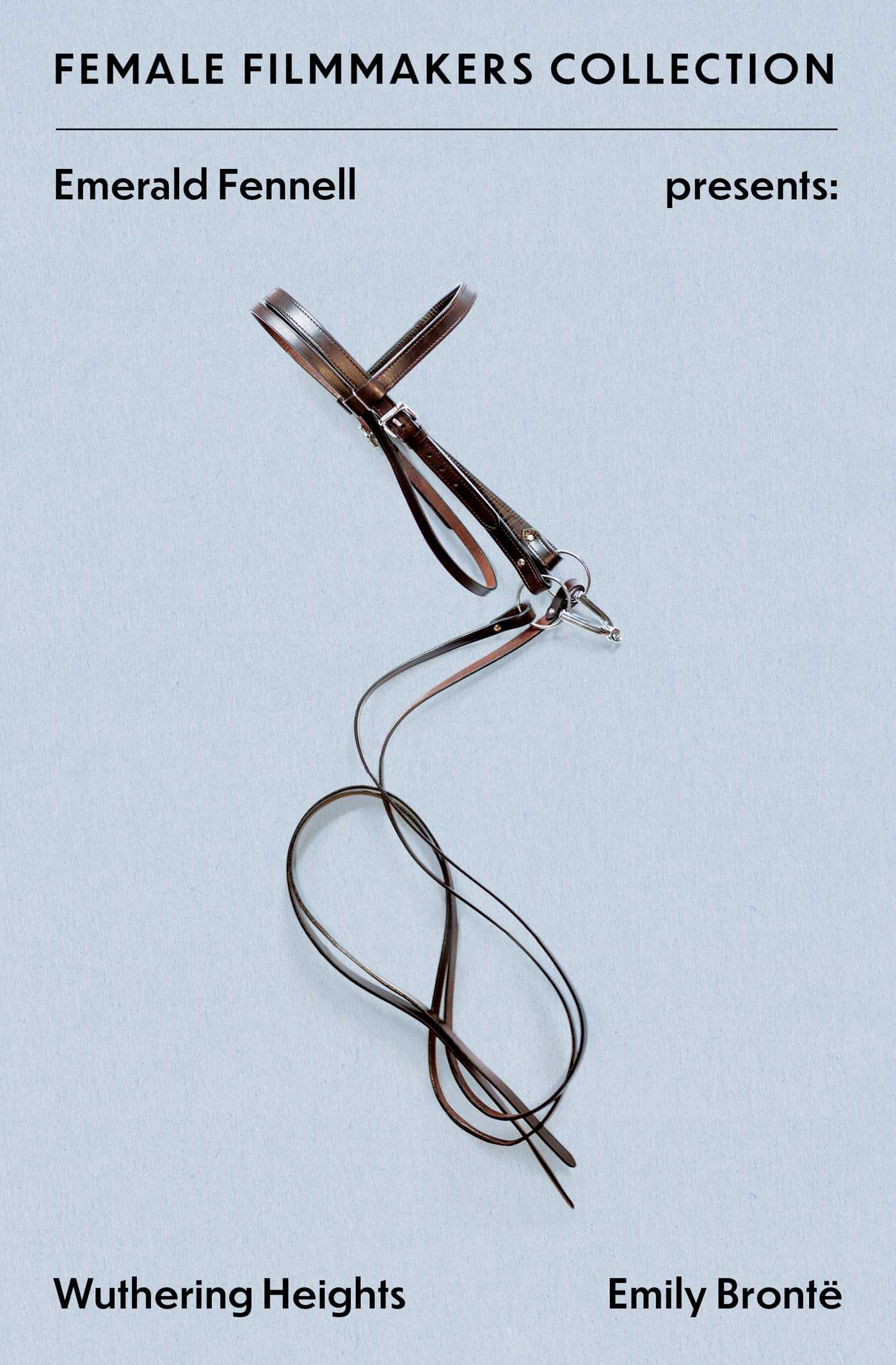
This approach led to a narrative that blends real plot points with imagined elements. Some characters from the original text were forgotten or merged into single roles to fulfill a specific emotional response.
The Challenge of the Feature Film
The director admitted that the constraints of a cinema runtime were her greatest obstacle, forcing her to cut significant portions of the original story. Fennell noted that a 10-hour miniseries would have been her preference to beautifully encapsulate the entire book.
Because a feature film requires a fast and dense pace, she was forced to make difficult decisions regarding what to keep and what to discard.
Given these creative choices, the final film may offer a polarizing experience for purists of the novel, while it could potentially redefine how audiences perceive the intersection of sexuality and historical realism in cinema.
Frequently Asked Questions
Why did Emerald Fennell want Margot Robbie to have armpit hair?
She wanted to reflect the actual social norms of the late 1700s and avoid the unrealistic, “smooth” grooming standards often seen in modern historical films.
What was the inspiration behind the fish aspic scene?
The scene was born from an impulsive thought Fennell had after seeing fish in aspic, which she felt represented the character’s sexual frustration and feeling of being trapped.
Is this version of Wuthering Heights a faithful adaptation?
No, it is an interpretation and response to the emotions of the book based on the director’s teenage memories, rather than a word-for-word adaptation.
Do you believe historical films should prioritize strict physical realism over modern aesthetic standards?