

Ukraine to Acquire Swedish Gripen Fighter Jets in Major Defense Deal
Sweden and Ukraine Forge New Era in Air Power Cooperation
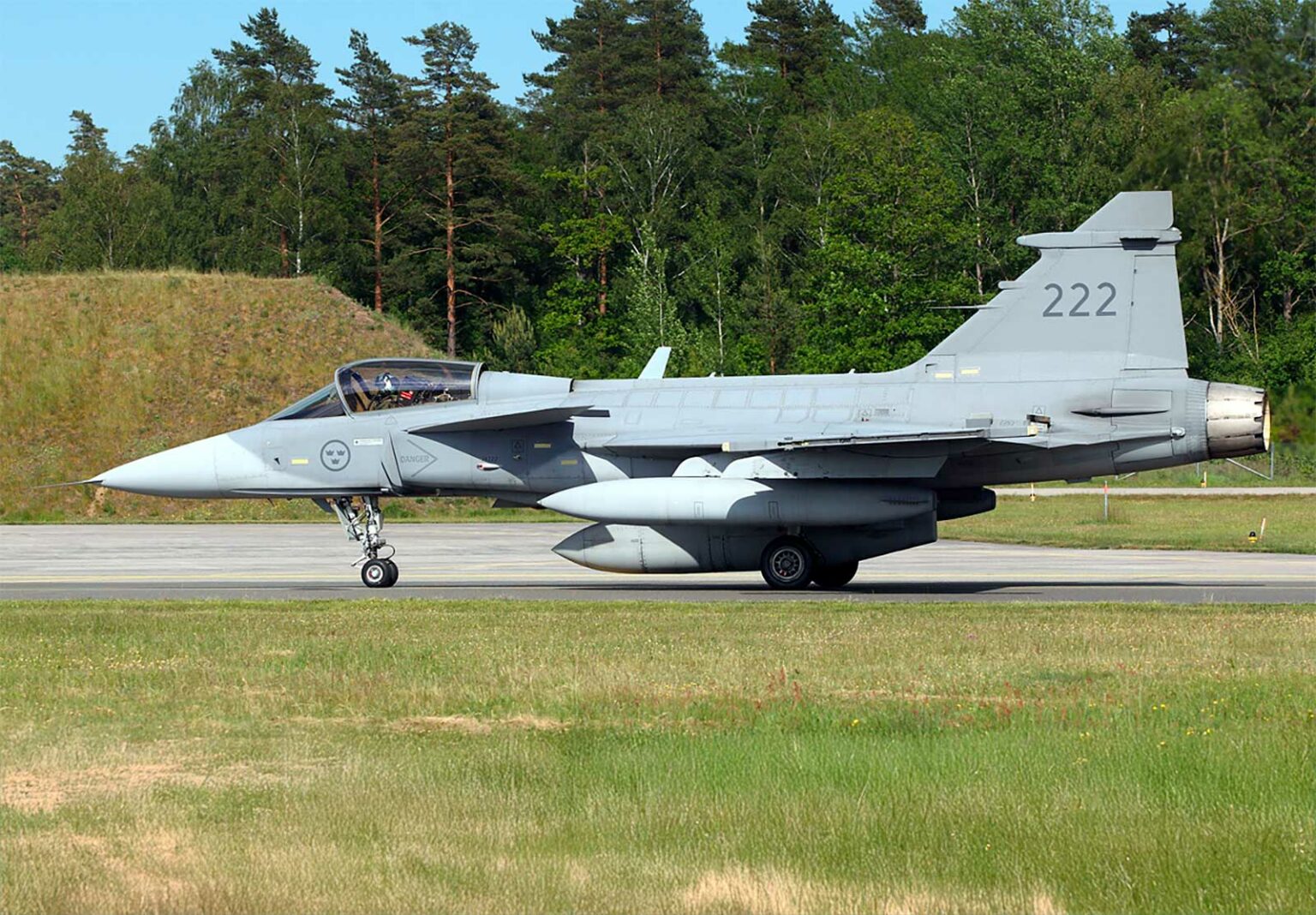
The landscape of European defense is undergoing a seismic shift. During a high-stakes meeting in Uppsala on May 28, 2026, Swedish Prime Minister Ulf Kristersson and Ukrainian President Volodymyr Zelenskyy announced a landmark deal that marks a turning point for the Ukrainian Air Force. This agreement goes beyond simple military aid; it establishes a long-term industrial and strategic partnership centered on the Swedish-made Saab JAS 39 Gripen.
The Multi-Tiered Gripen Strategy
The agreement is structured in two distinct phases, balancing immediate operational needs with long-term fleet modernization. Sweden has committed to an immediate donation of 16 Gripen C/D fighter jets, which are expected to begin arriving in Ukraine as early as next year. These aircraft will be drawn directly from Sweden’s active operational fleet.
Complementing this donation is a significant procurement contract. Ukraine has agreed to purchase 20 new-build Gripen aircraft, with deliveries slated to commence in 2030. Valued at approximately €2.5 billion, this purchase is part of a broader, ambitious vision: Ukraine aims to eventually field a fleet of up to 150 Swedish-made jets to secure its airspace for the coming decades.
Financing the Future of Defense
The feasibility of such a massive defense acquisition was bolstered by recent geopolitical shifts within the European Union. Following a change in leadership in Hungary, the EU successfully approved a massive €90 billion loan package for Ukraine. This financial influx provides Kyiv with the liquidity necessary to commit to multi-billion euro defense contracts, turning what was once a long-term goal into an actionable reality.
The Shift Toward European Strategic Autonomy
This deal underscores a broader trend: Europe is increasingly looking to internal industrial solutions for its security. By choosing the Gripen, Ukraine is signaling a preference for agile, cost-effective and highly capable platforms that can be maintained and upgraded within the European defense ecosystem. Analysts suggest this could set a precedent for other nations looking to modernize their air forces without total reliance on American-made hardware.

Pro Tip: Why Gripen?
For nations with constrained budgets, the Gripen offers a “lifecycle advantage.” Its low maintenance requirements and high availability rate mean that for every dollar spent, the air force spends more time in the air and less time in the hangar compared to heavier, more complex alternatives.
Frequently Asked Questions (FAQ)
- When will the first Gripen jets arrive in Ukraine?
- The 16 donated Gripen C/D aircraft are expected to begin delivery starting in 2027.
- How is Ukraine paying for the new jets?
- The procurement is supported by recent EU financial assistance packages, allowing Ukraine to invest in long-term military modernization.
- What is the ultimate goal for the Ukrainian Air Force?
- Ukraine has expressed an ambition to build a fleet of up to 150 Gripen fighters to ensure long-term regional security.
What Comes Next?
As the conflict continues to evolve, the integration of Western-standard aircraft like the Gripen will require extensive pilot training and logistics support. Sweden’s willingness to share its own operational fleet demonstrates a deep-seated commitment to regional stability. As this partnership matures, we can expect to see increased collaboration between Swedish defense manufacturers and Ukrainian technical staff, potentially leading to local maintenance facilities or technology transfer agreements.
What are your thoughts on the shift toward European-made fighter jets in the current global climate? Share your insights in the comments section below or subscribe to our weekly defense newsletter for the latest updates on military technology and geopolitics.