ADHD in Women: Over-Diagnosed or Under-Recognized?
A Dutch municipality is challenging the way society views mental health diagnoses, particularly ADHD, by proposing a radical shift: What if we focused less on labeling and more on understanding individual needs?
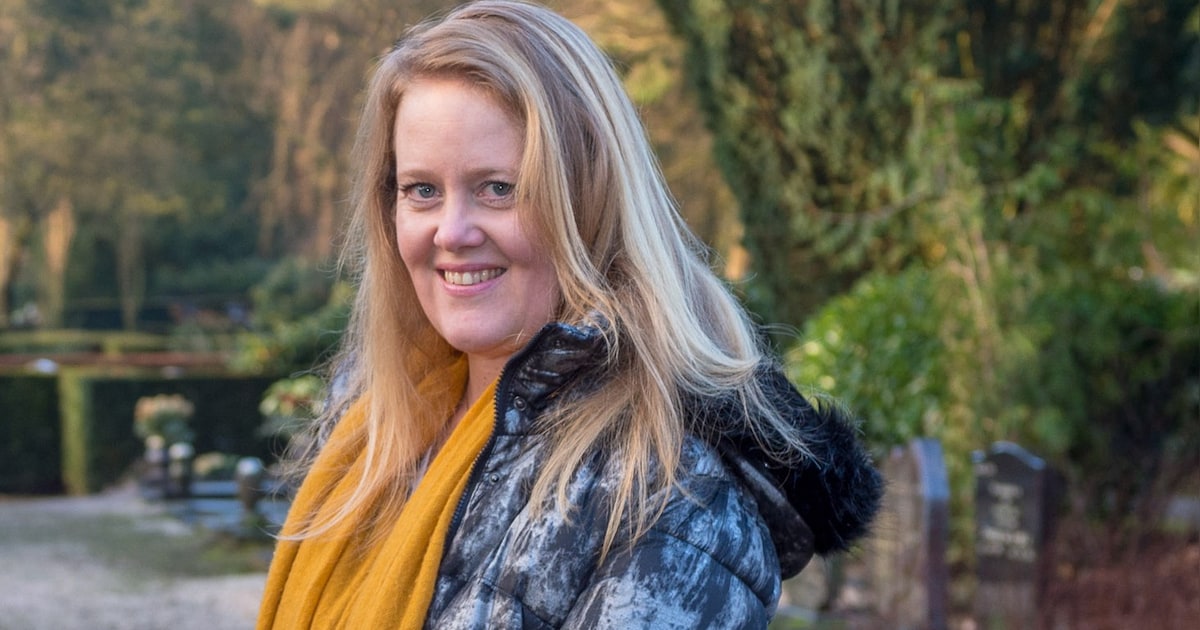
In the quiet Veluwe Randmeer region, Wethouder Jennifer Elskamp of Nunspeet is leading an initiative to create a “diagnosis-free” community. Her approach stems from growing concerns about how ADHD diagnoses—particularly among women—may reflect broader societal pressures rather than individual pathology.
“We have made society more complicated and less connected,” Elskamp says. “Many people develop sensitivity to stimuli not because of personal flaws, but because our social structures have become more demanding and isolating.”
The debate comes as ADHD diagnoses among women rise, often later in life than for men. In some regions, like Zwolle, women now surpass men in ADHD medication use. Yet critics argue the diagnostic process may overlook systemic factors that contribute to symptoms.
Why It Matters: The Diagnosis Debate
Elskamp’s vision aligns with research suggesting societal changes—like increased performance pressure and individualism—may drive the rise in ADHD-like symptoms. Psychologist Laura Batstra, whose work Elskamp references, argues that parenting and educational support could address many challenges without medical intervention.
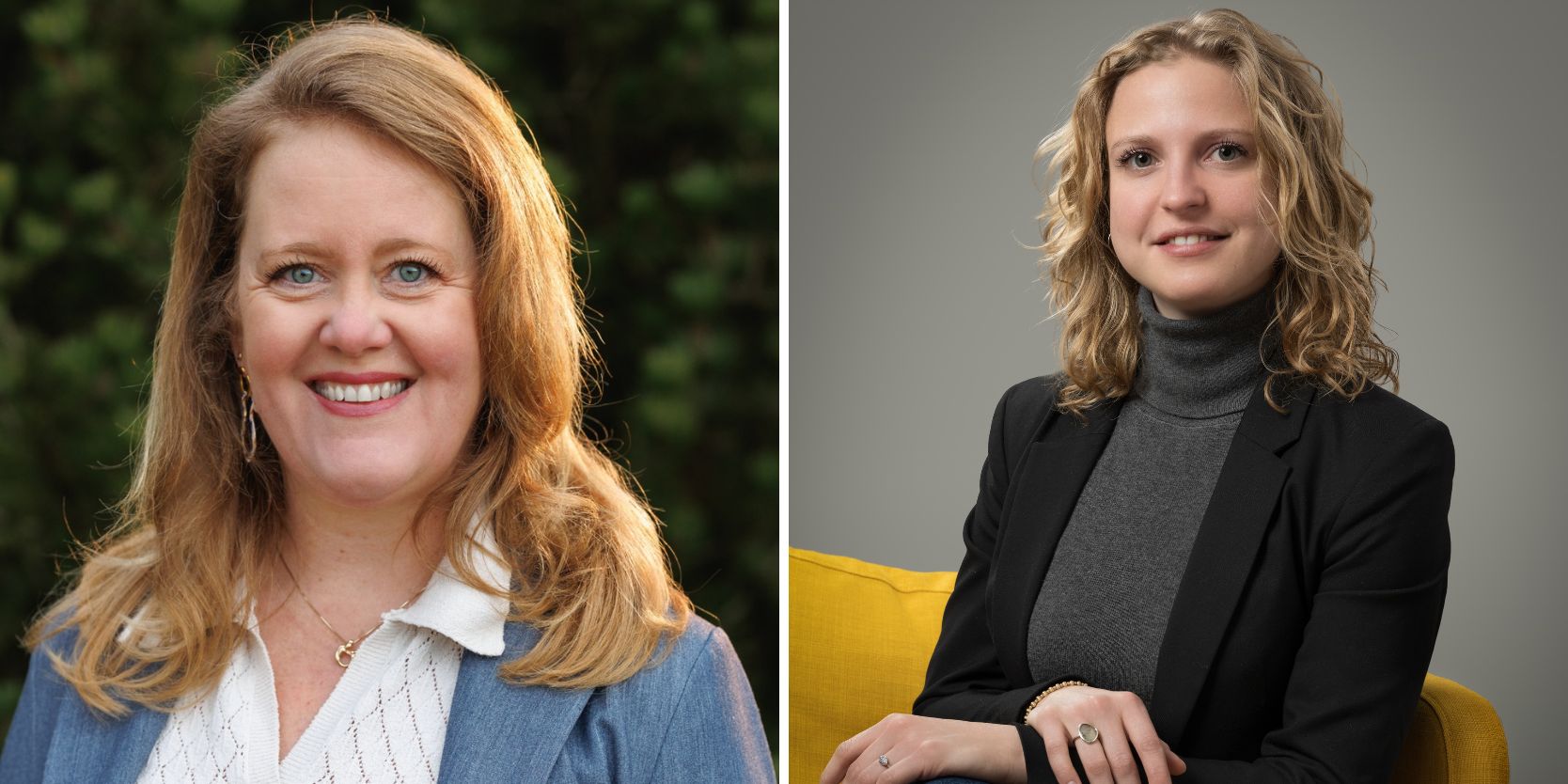
However, experts like arts-researcher Maxime de Jong caution against dismissing ADHD entirely. “ADHD is more than occasional forgetfulness,” she notes. “For a diagnosis, symptoms must have been present since childhood and significantly impair daily functioning.” Late recognition can have severe consequences, including self-doubt or self-harm, she warns.
Quinty Dekker, a 24-year-old from Nunspeet diagnosed with ADHD at 18, reflects this struggle. “I didn’t recognize myself in ADHD at first,” she admits. “But now I understand my behavior better—like why I struggle to save money but spend freely on small pleasures. My family now sees it differently too.”
The Diagnosis-Free Movement
Elskamp’s proposal to make Nunspeet “diagnosis-free” shifts focus from labels to solutions. “We should normalize differences and ask, ‘What does this person need to live well?’” she advocates. This approach could reduce stigma while ensuring targeted support.
De Jong supports the idea but clarifies: “Diagnosis describes a situation, not an excuse. The language we use matters—it shapes how we see problems.” For women, late diagnoses often mean years of misattributed struggles, leaving them feeling unseen.
What May Happen Next
A possible next step for Nunspeet could involve piloting alternative support systems, such as community-based training for parents and educators, as suggested by Batstra’s research. The municipality might also explore how to integrate late-diagnosed adults like Quinty into local mental health initiatives.
Nationally, the debate could influence how regions like Zwolle—where ADHD medication use is notably high—address both access to care and diagnostic practices. Future articles in this series will examine hormonal factors in ADHD among women and regional disparities in treatment.
Frequently Asked Questions