

Africa’s One-Sided Violence Hits Highest Levels Since Rwandan Genocide
One-sided violence in Africa has reached its highest levels since the 1994 Rwandan genocide, according to a report by the Uppsala Conflict Data Program. The surge is driven largely by massacres in El Fasher, Sudan, where the United Nations reports more than 60,000 people were killed in a few days during a city takeover by the Rapid Support Forces.
Why is one-sided violence in Africa increasing?
The Uppsala Conflict Data Program (UCDP) attributes the current spike in one-sided violence to targeted massacres in Sudan. In El Fasher, the paramilitary Rapid Support Forces (RSF) engaged in a brutal 18-month siege before seizing the city in October of last year. The UN states these actions bore the hallmarks of genocide.
The RSF and allied Arab militias targeted African ethnic groups. Evidence shared with the UN Security Council shows fighters rounding up and executing ordinary people. This pattern of violence marks a shift toward open, documented atrocities that mirror the scale of the 1994 genocide in Rwanda.
What happens when geopolitical gridlock hits conflict zones?
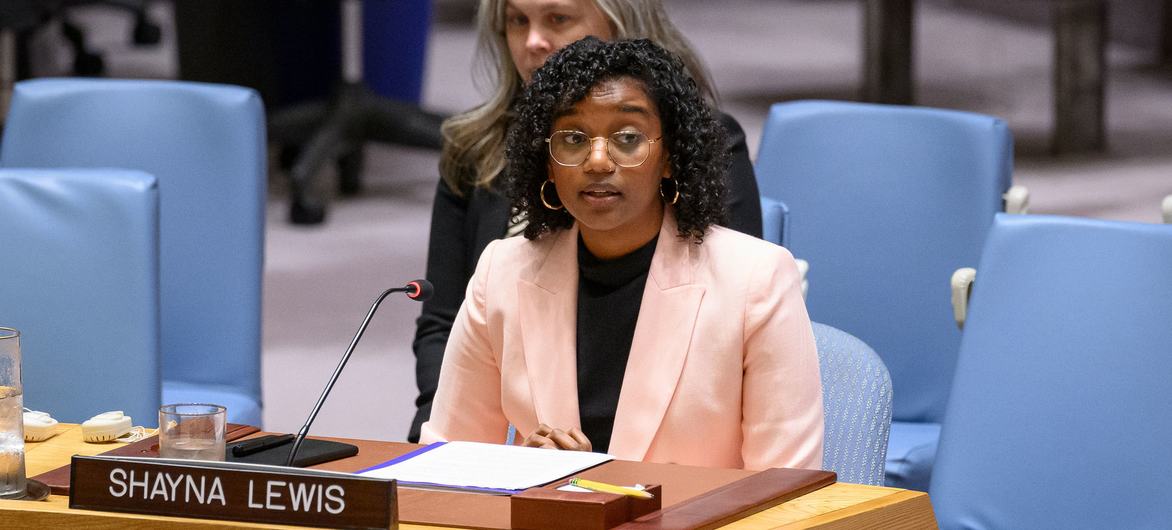
International inaction is becoming a predictable trend in modern conflict. Shayna Lewis, a Sudan specialist with the nonprofit Preventing and Ending Mass Atrocities, says geopolitical gridlock affecting wars in Gaza and Ukraine has “trickled down” into the Sudan file.
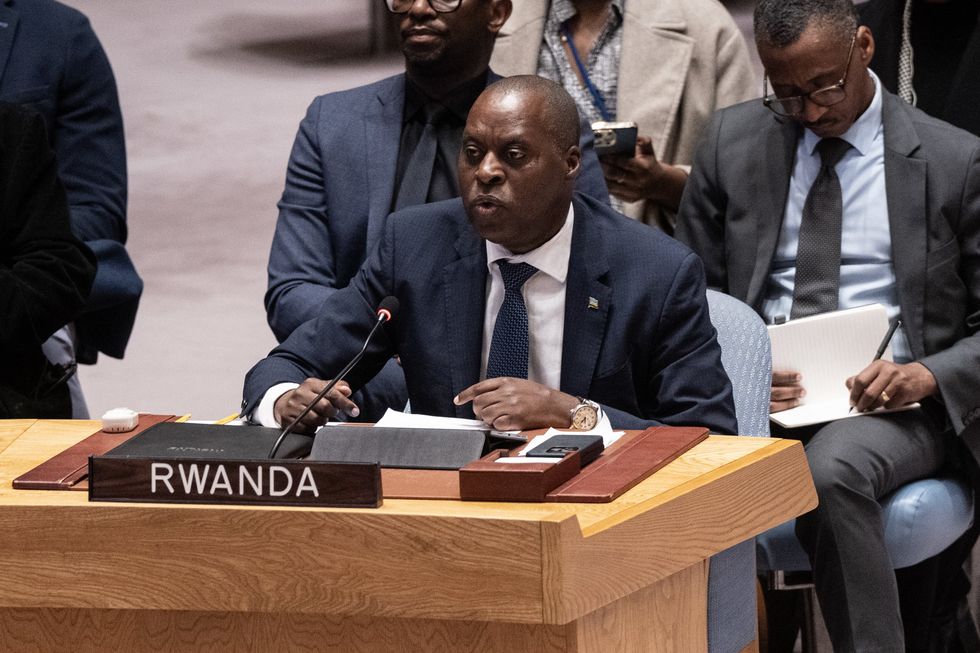
This gridlock prevents the UN Security Council from moving beyond statements of condemnation. While genocidal violence was once a trigger for immediate international intervention, current diplomatic stalemates allow such violence to happen in plain sight. The result is a precedent where “never again” is replaced by documented inaction.
This trend suggests that future ethnic conflicts may face similar paralysis if the primary global powers remain divided on other major geopolitical fronts.
How does social media change the documentation of genocide?
Modern atrocities are no longer hidden. In Sudan, the RSF filmed their crimes and shared the footage widely on social media. The UCDP and other researchers used this deluge of footage to document the killing of men, women, and children.
This creates a stark contrast to previous conflicts. In the 1990s, evidence of mass killings often emerged after the fact. Now, killers celebrate their crimes in real time. However, as Shayna Lewis notes, the availability of evidence has not translated into prevention. The “digital witness” effect is currently failing to deter perpetrators when there is no credible threat of international enforcement.
Will state-on-state confrontations continue to rise?
The UCDP reports that direct confrontations between states reached their highest level last year since the end of the Second World War. This trend indicates a broader collapse of diplomatic deterrence globally.
When state-level conflicts rise, civilian harm typically follows. The UCDP confirms that civilian harm reached record highs last year. The overlap of state-on-state war and one-sided ethnic massacres suggests a more volatile global security environment where traditional borders and international laws offer less protection for non-combatants.
Frequently Asked Questions
What is the Uppsala Conflict Data Program?
The Uppsala Conflict Data Program (UCDP) is a research project based in Sweden that collects and analyzes data on organized violence and conflict globally.
Who are the Rapid Support Forces (RSF)?
The RSF is a paramilitary organization in Sudan currently at war with the country’s national army.
How many people died in the El Fasher takeover?
According to the United Nations, more than 60,000 people were killed in just a few days during the RSF’s takeover of the city in October of last year.
Why is the violence in Sudan compared to Rwanda?
The UCDP makes this comparison because the scale and nature of the one-sided violence against ethnic groups in Africa have reached levels not seen since the 1994 Rwandan genocide.
Join the conversation: Do you believe international bodies are still capable of preventing genocide in an era of geopolitical gridlock? Share your thoughts in the comments or subscribe to our newsletter for more deep-dives into global security.