
After FCAS collapse, Rheinmetall warns France may quit tank project too
Eight German aerospace and defense firms, led by Airbus, have formed the “Team Gen 6” alliance to build a sixth-generation fighter jet without France’s Dassault Aviation. The move follows the collapse of the Future Combat Air System (FCAS) and warnings from Rheinmetall CEO Armin Papperger that France may also exit the joint MGCS tank program.
Why is the MGCS tank program at risk?
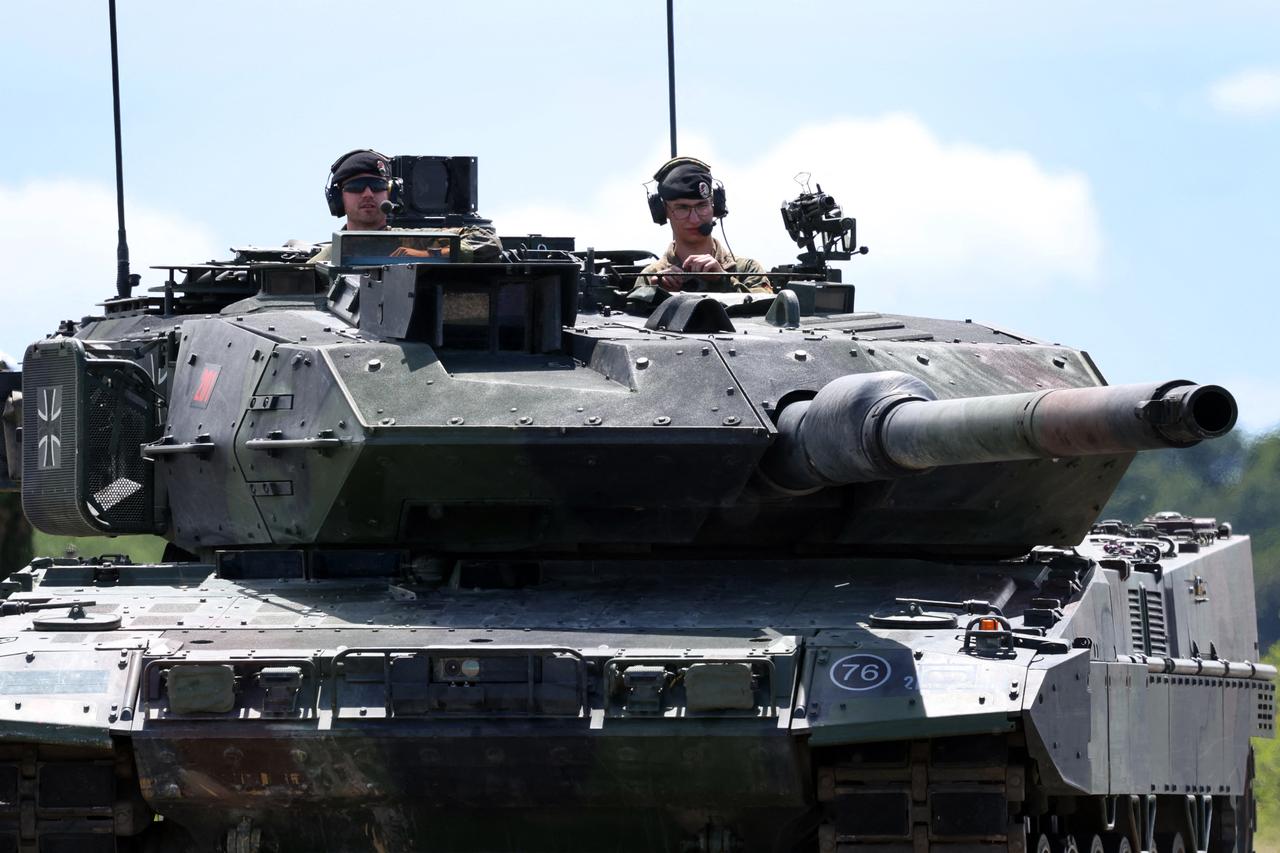
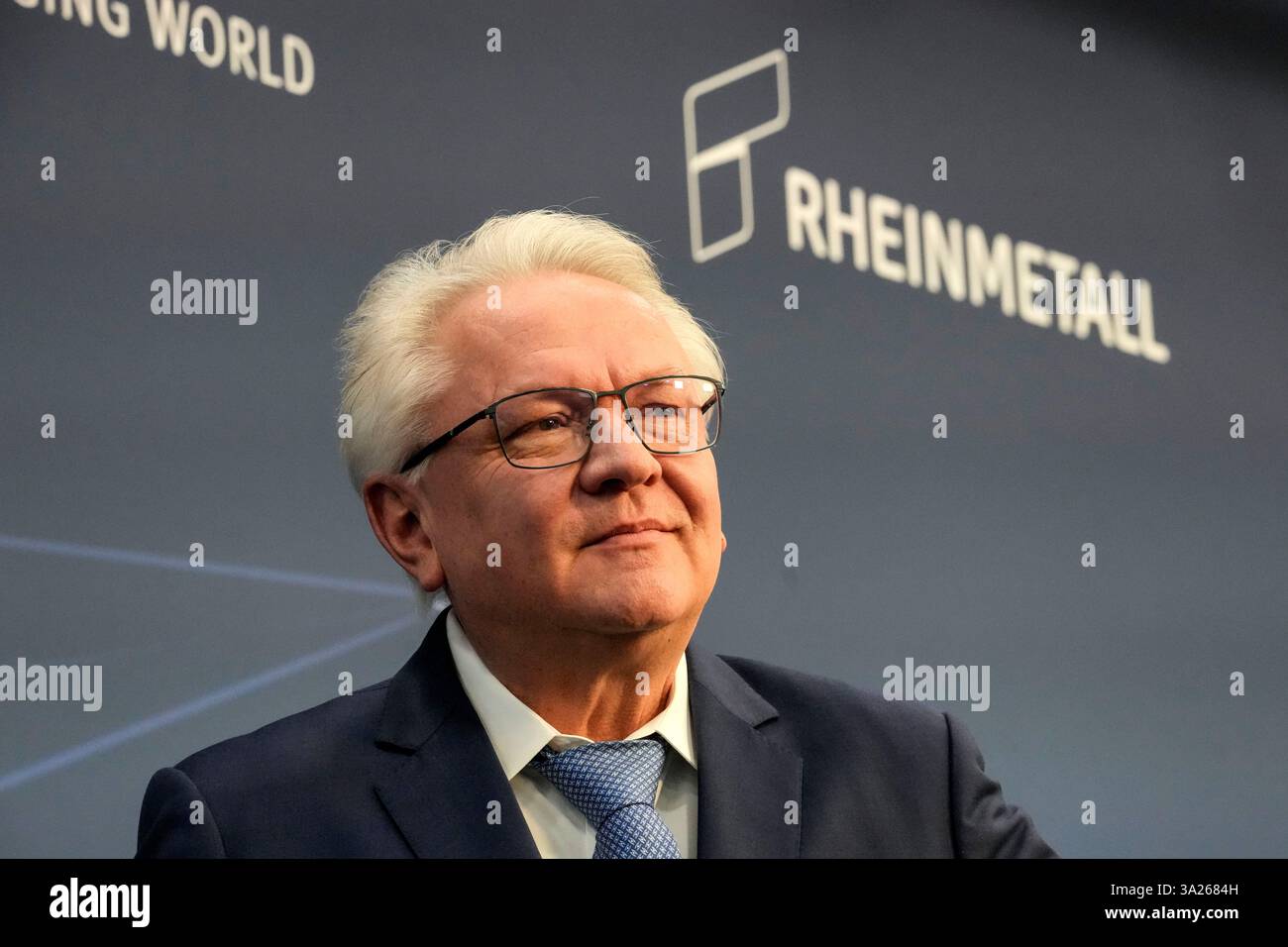
Rheinmetall CEO Armin Papperger told Welt am Sonntag that France plans to reduce its budget contribution to the Main Ground Combat System (MGCS) to less than half of the original amount. The program aims to replace the German Leopard 2 and French Leclerc tanks by 2040.

Papperger stated there is “always a risk” France could withdraw entirely. He noted that the four involved companies—Rheinmetall, KNDS, and Thales—have received only €25 million ($28.9 million) to date.
Because of these delays, Rheinmetall has spent the last year developing a Leopard 3 as a bridging solution. First deliveries for that tank are expected in the early 2030s.
Who is involved in the Team Gen 6 alliance?
The alliance was formally signed at the ILA Berlin Air Show. It consists of Airbus Defence and Space, MBDA, Hensoldt, Diehl Defence, MTU Aero Engines, Liebherr, Autoflug, and Rohde & Schwarz.
Airbus Defense and Space CEO Michael Schoellhorn said the group has the capacity and determination to build a sixth-generation fighter. He stated the alliance thinks in “European terms” but wants German industry to hold a responsible role.
The group is open to other partners, including Sweden’s Saab, Spain, or the British-Italian-Japanese GCAP consortium. France’s Dassault Aviation is excluded from this alliance.
How did the FCAS fighter project collapse?
Launched in 2017 by Emmanuel Macron and Angela Merkel, the €100 billion FCAS project intended to create a sixth-generation jet and a “combat cloud” by the 2040s. Spain joined the project in 2019.
The project failed due to “irreconcilable disputes” between Dassault and Airbus. These conflicts centered on governance, technology ownership, military requirements, and industrial workshare.
Chancellor Friedrich Merz informed President Macron that no further progress was possible. Merz stated at ILA that this decision resolves a “long blockage” and opens new opportunities for the industry.
What happens next for European defense?
France’s Defense Minister Catherine Vautrin announced Paris will develop a next-generation fighter independently through 2040. This effort is supported by approximately €2.5 billion ($2.89 billion) in existing investment.

Meanwhile, Reuters reports that Dassault is seeking compensation from Airbus regarding the Eurodrone program. France has removed funding for the Eurodrone through 2035, citing cheaper alternatives for high-intensity warfare.
Defense Minister Boris Pistorius is weighing four options for Germany’s future aircraft: an Airbus-led German project, joining the GCAP consortium, purchasing more U.S. F-35s, or a fourth undisclosed option.
Frequently Asked Questions
What is the MGCS?
The Main Ground Combat System is a joint Franco-German program intended to replace the Leopard 2 and Leclerc battle tanks around 2040.
Why did the FCAS project fail?
The project collapsed due to disputes between Airbus and Dassault over industrial workshare, technology ownership, and governance.
Who is in the Team Gen 6 alliance?
The alliance includes eight companies: Airbus Defence and Space, MBDA, Hensoldt, Diehl Defence, MTU Aero Engines, Liebherr, Autoflug, and Rohde & Schwarz.
Do you believe European defense is more effective through joint projects or independent national development?