
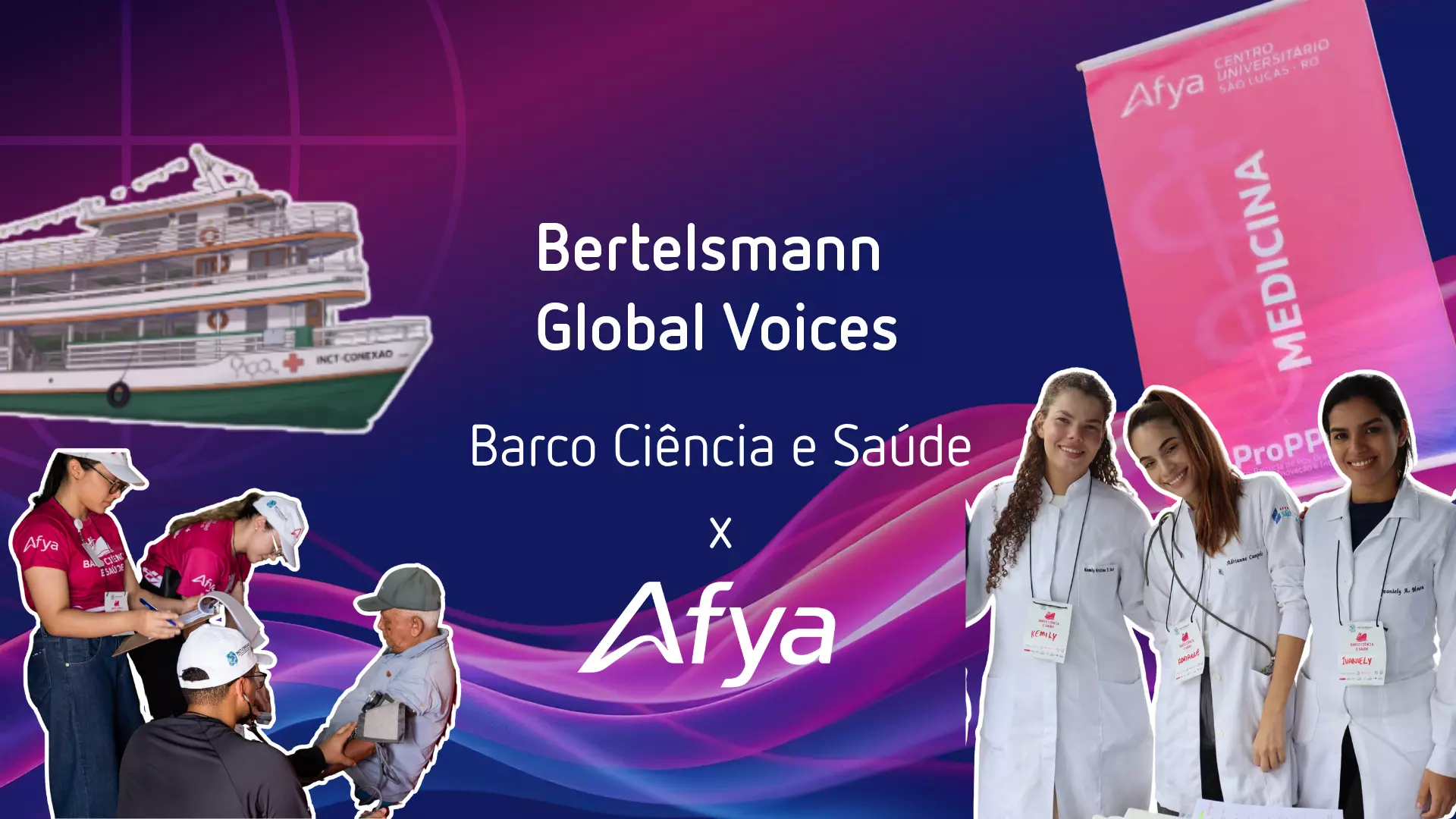
Afya’s Medical Mission: Bringing Healthcare to the Brazilian Amazon
In early May, the “Barco Ciência & Saúde” expedition delivered 2,105 medical treatments and social services to the remote Amazonian communities of Calama, Nazaré, and São Carlos. Organized by Afya, part of the Bertelsmann Education Group, the mission targeted regions where healthcare access is severely restricted and residents often wait months for basic examinations.
Reaching these communities requires a long flight followed by a 17-hour boat journey, depending on weather conditions. According to Afya, the expedition deployed a multidisciplinary team of students, teachers, professionals, and volunteers to provide critical care over a four-day period.
What services did the Barco Ciência & Saúde expedition provide?
The mission offered a wide array of healthcare and professional services. Medical treatments included general medicine, nursing, physiotherapy, dentistry, ophthalmology, speech therapy, psychology, and biomedicine, along with cosmetic services.
The team also provided non-medical consultations in nutrition, legal affairs, sports, and construction and engineering. Under the guidance of instructors, students performed treatments, explained diagnoses, and assisted with physiotherapy exercises.
Afya reported that the team distributed 17 food packages, 40 hygiene sets, 40 toys, and one shower chair to assist elderly or restricted residents.
Why is healthcare access limited in the Brazilian Amazon?
Geographic isolation is the primary barrier. The reliance on water-based transport means that travel is slow and dependent on environmental conditions. This isolation leaves residents in communities like Calama, Nazaré, and São Carlos with few options for routine care.
Ophthalmological care was a critical gap during this mission. Many residents had waited more than six months for a vision exam. Afya addressed this by bringing specialized vision-testing equipment on board.
Patients who required glasses selected their models during the visit, and the finished eyewear is delivered to the communities at a later date.
What may happen next for these river communities?
Future missions could lead to a more consistent cycle of care for the river communities. Because the expedition strengthens the commitment to these regions, Afya may identify recurring health trends that could inform future resource allocation.

The continued use of the “Barco Ciência & Saúde” model is likely to bridge the gap between academic science and practical healthcare delivery. This approach may provide a scalable template for reaching other “forgotten” populations in the Amazon basin.
Raphael Freire, a sustainability communication specialist at Afya, stated that the goal is to meet real challenges and observe the difference these actions make.
Frequently Asked Questions
Who organized the Barco Ciência & Saúde project?
The project was organized by Afya, which is part of the Bertelsmann Education Group.
How many treatments were administered during the May expedition?
According to Afya, a total of 2,105 treatments and measures were performed.
What non-medical aid was provided to the residents?
The team distributed 17 food packages, 40 hygiene sets, 40 toys, and one shower chair.
How can mobile clinics best address the needs of populations living in extreme geographic isolation?