
AI-designed universal coronavirus vaccine passes first human trial
A breakthrough in vaccine science has reached a significant milestone, with a new, universal coronavirus vaccine successfully passing its first human clinical trial. Developed by researchers at the University of Cambridge and the spinout company DIOSynVax (DVX) Ltd, the experimental vaccine demonstrated safety in a study of 39 healthy volunteers, reporting no significant side effects.
A New Paradigm in Vaccine Design
Unlike conventional vaccines, which are typically designed to target specific strains of a virus, this candidate is engineered to protect against multiple members of the Sarbeco coronavirus family. This group includes SARS-CoV-2, SARS and various bat coronaviruses that have not yet made the jump to humans but represent potential future threats.
The study, published in the Journal of Infection, represents a historic first: it is the initial instance of a vaccine whose active ingredient was created entirely through computer simulations being tested in humans. By utilizing artificial intelligence and machine learning, researchers identified genetic features shared across the entire Sarbeco virus group and combined them into a single “super-antigen.”
Did You Know?
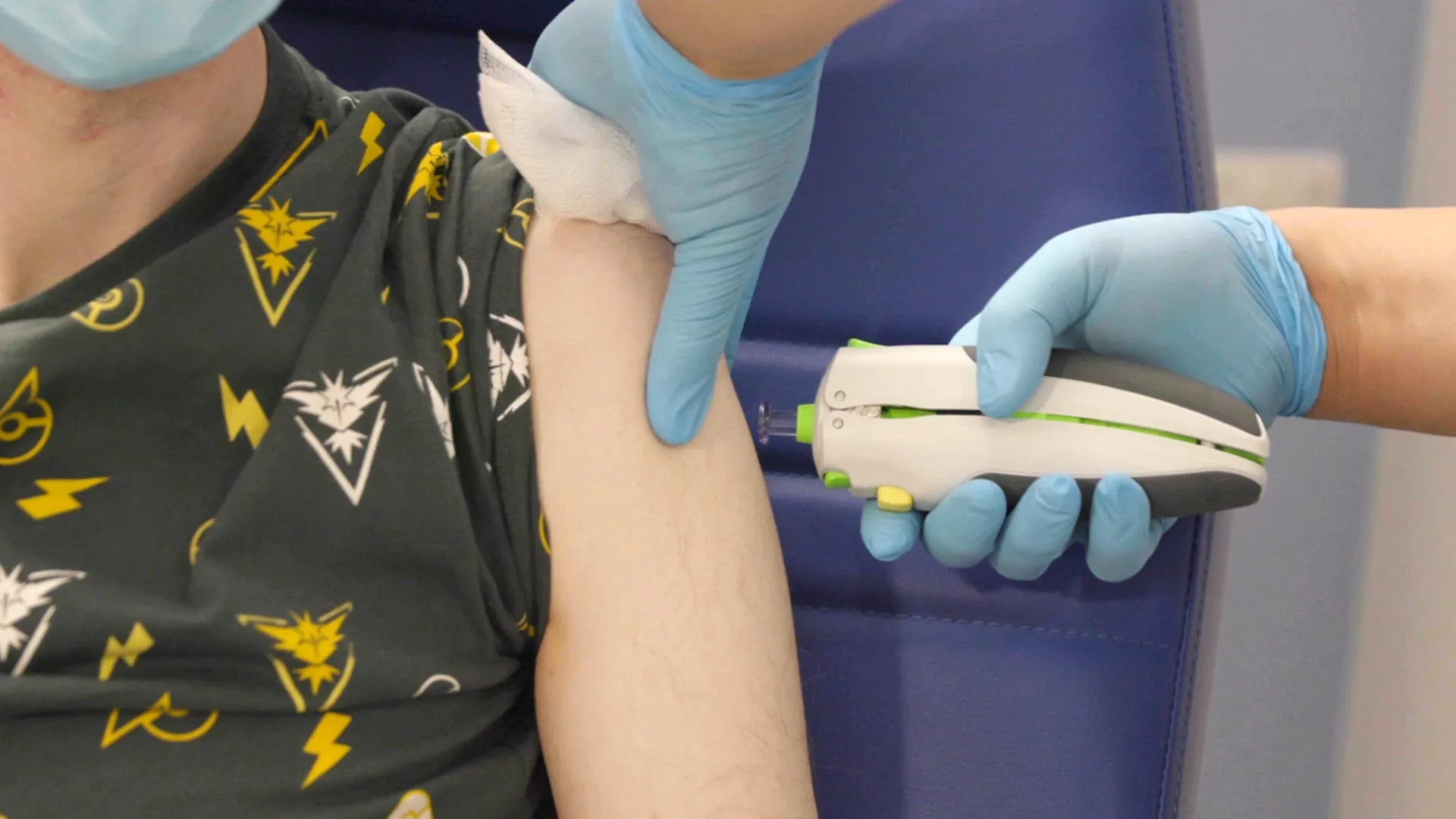
This experimental vaccine was delivered to trial participants as a DNA vaccine using a needle-free micro fluid jet system, potentially offering a more comfortable alternative for patients and a faster method for large-scale immunization efforts.
Moving Beyond Reactive Protection
Current vaccination strategies often rely on a “reactive” model, requiring frequent updates to match circulating strains. Professor Jonathan Heeney, who led the research at the University of Cambridge’s Department of Veterinary Medicine, describes this new approach as “future-proofed.” By targeting conserved features across a virus family, the vaccine is designed to remain effective even as viruses mutate.
The trial, conducted at National Institute for Health and Care Research (NIHR) Clinical Research Facilities in Southampton and Cambridge, suggests that this technology could eventually be applied to other viral threats. Researchers are eyeing the Ebola group and influenza viruses as potential targets for this same AI-driven design strategy.
Expert Insight:
The shift from reactive, strain-specific immunization to a “future-proof” platform represents a fundamental change in how we manage pandemic risk. By focusing on the shared genetic architecture of entire virus families, this technology seeks to decouple public health preparedness from the constant, costly cycle of chasing individual variants.
What Comes Next
While the initial safety data is promising, the vaccine must undergo further rigorous testing before it can be considered for public use. A larger Phase 2 study is currently planned to evaluate immune responses in a more diverse participant group and to confirm the vaccine’s ability to provide broad, durable protection.
If these subsequent trials succeed, the implications for global health could be profound. Scientists suggest that by advancing this class of vaccines before a new outbreak begins, it may be possible to save millions of lives, avoid future lockdowns, and better preserve economic stability.
Frequently Asked Questions
What is a “super-antigen”?
A super-antigen is a component of the vaccine designed by AI that trains the immune system to recognize and fight infection by targeting features shared across an entire family of viruses, rather than just one specific strain.

Is this vaccine available to the public now?
No, the vaccine is currently in the experimental stage. While it has passed its first human clinical trial, it requires further testing, including a planned Phase 2 study, before it can be available for public use.
How does this vaccine differ from current COVID-19 shots?
Current vaccines are generally designed around specific virus strains already circulating in humans, necessitating regular updates. This new vaccine is designed to provide protection against a broad range of related viruses, including those that have not yet emerged in humans.
How might the ability to “future-proof” vaccines change your perspective on long-term pandemic preparedness?