
AI designs cancer vaccine for dog but scientists says red tape a barrier for human care
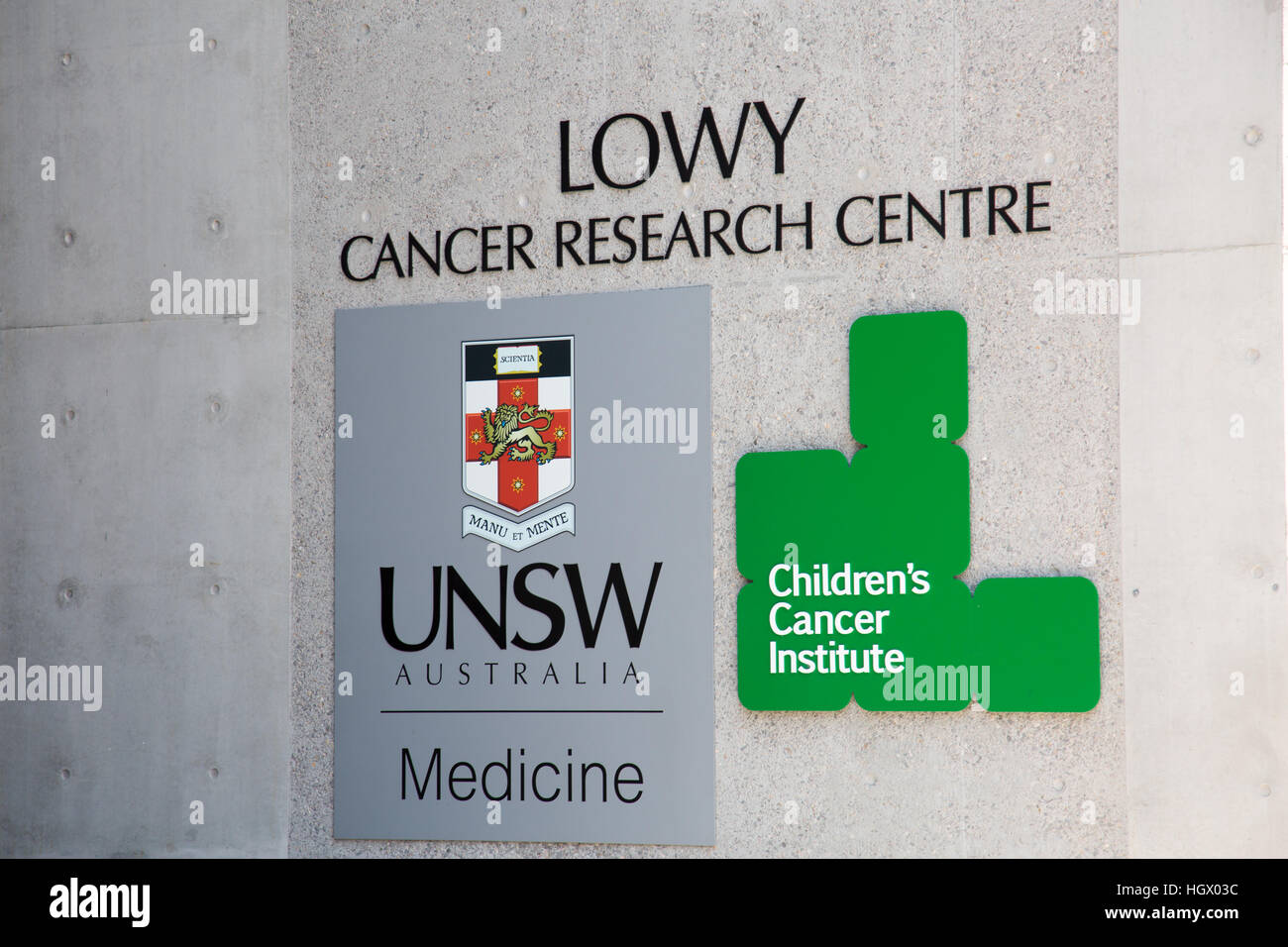
Artificial intelligence helped UNSW scientists develop a personalized mRNA vaccine that shrank tumors for an Australian dog named Rosie, according to Professor Pall Thordarson. The project reduced treatment development time from years to months, highlighting the potential for precision medicine despite regulatory frameworks that scientists say are outdated.
Rosie, a Staffordshire crossbred shar pei, was diagnosed with mast cell cancer roughly two years ago. After surgeries, immunotherapy, and targeted therapies, her owner, tech entrepreneur Paul Conyngham, used AI chatbots to explore further treatment options.
AI models processed gigabytes of genetic data to create a blueprint for a personalized mRNA vaccine. This vaccine, developed by Professor Thordarson and a UNSW team, successfully shrank tumors on Rosie’s legs, according to the researchers.
How did AI assist in Rosie’s cancer treatment?
AI did not create or administer the vaccine, but it streamlined the pipeline design and reduced manufacturing mistakes, according to Professor Thordarson. The technology fast-tracked the development process from years to months.
Martin Smith of UNSW’s Ramaciotti Centre for Genomics stated that AI helped Mr. Conyngham understand cancer biology and genomics. The AI also generated the code required to process the data needed to understand the cancer’s biology.
Professor Thordarson identified three key emerging technologies driving this result: RNA, genomics, and computation. By analyzing genomic data from both healthy cells and cancer cells, the team determined the vaccine’s potential application.
Why are regulatory hurdles slowing precision medicine?
Professor Thordarson said current regulatory and reimbursement frameworks were established 50 to 100 years ago. He argued these legacy systems are not designed for the pace of AI-driven personalized medicine.
Because each personalized vaccine uses DNA sequencing unique to a specific patient’s tumor, current rules often require the approval process to start from the beginning for every new patient. This creates a significant barrier to scaling such treatments.
Professor Smith noted that Australia is lagging in cancer genomics. He described Rosie’s case as a “citizen science project” rather than a clinical trial, suggesting a need for better research support to operationalize these projects into practice.
What could happen next for AI-driven cancer care?
The success of the project has already gained international attention. Robert F Kennedy Jr. mentioned the development during a US Senate hearing in April, stating that such advancements may be seen across medicine.
Australia could potentially take a lead in precision medicine if political decisions are made to update regulatory environments, according to Professor Thordarson. This may include creating new incentives for investment in personalized therapies.
Further progress may depend on the medical community’s ability to make genomics technology more accessible. Increased government investment in operationalizing clinical projects could be a possible next step to move these treatments from citizen science to standard practice.
Frequently Asked Questions
Did AI cure Rosie’s cancer?
No. According to Professor Thordarson, AI did not cure the cancer, but the resulting vaccine shrank the tumors on her legs and improved her quality of life.
What was the role of the dog’s owner in this process?
Paul Conyngham used his background as a tech entrepreneur and AI chatbots to explore treatment options and generate code to process genetic data.
What is the main obstacle to using this for humans?
The primary obstacle is the regulatory approval process, which Professor Thordarson says can take five to 10 years for each personalized drug.
Do you believe medical regulations should be fast-tracked for personalized AI treatments?