
AI-Driven Evolutionary Models for Influenza Vaccine Strain Selection
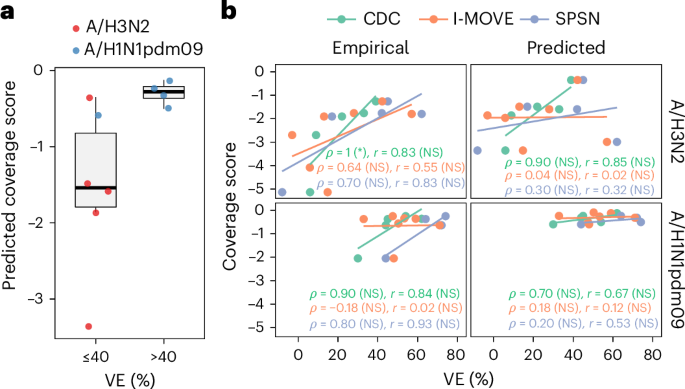
Researchers have developed a new AI-based evolutionary and antigenicity model designed to improve the selection of influenza vaccine strains. This approach aims to better predict how the virus evolves, which is critical for maintaining vaccine effectiveness.
The model focuses on the complex nature of how flu viruses change over time. By utilizing artificial intelligence, the system seeks to identify the most appropriate strains for inclusion in seasonal vaccines.
The Challenge of Antigenic Drift
Influenza A(H3N2) has long presented a significant challenge for vaccine effectiveness. This is largely due to antigenic drift, where the virus undergoes molecular evolution that allows it to evade the immune system.

These circulation patterns and antigenic dynamics shape the epidemic dynamics of the virus, particularly within the United States. This constant evolution often makes it difficult to match vaccine strains to the viruses actually circulating in the population.
Advancing Predictive modelling
Previous efforts to combat this problem included predictive fitness models and the integration of genotypes and phenotypes to improve long-term forecasts of A(H3N2) evolution. Other research has explored site-based dynamics of mutations to model evolutionary paths.
The latest AI-based model builds upon this foundation by focusing on both evolutionary and antigenicity data. This integrated approach is intended to refine the process of strain selection.
Significance and Future Implications
Effective vaccine strain selection is vital because vaccination is known to avert influenza-related illnesses and hospitalizations. When the vaccine is well-matched to circulating strains, the disease burden on the healthcare system is reduced.
The implementation of AI models may lead to more precise vaccine compositions in future seasons. This could potentially increase the effectiveness of vaccines against highly variable strains like H3N2.
A possible next step could involve the wider integration of these AI tools into the global strain selection process. Such a move may help health organizations better anticipate the molecular evolution of the virus before it spreads widely.
Frequently Asked Questions
What is the primary goal of the AI-based model?
The model is designed to assist in influenza vaccine strain selection by analyzing evolutionary and antigenicity data.
Why is H3N2 specifically mentioned as a problem?
H3N2 is highlighted due to its association with vaccine effectiveness challenges and its susceptibility to antigenic drift.
How does antigenic drift affect the flu vaccine?
Antigenic drift involves molecular evolution that changes the virus, which can shape epidemic dynamics and potentially reduce the effectiveness of the current vaccine.
Do you think AI-driven predictions will eventually eliminate the need for seasonal vaccine updates?