

AI Scribes: Reducing Physician Burnout and Documentation Burden
Ambient documentation technology, commonly known as AI scribes, is emerging as a tool to reduce physician administrative burdens and address rising burnout rates in the medical profession. Recent studies indicate that these systems can decrease time spent on electronic health records (EHR) and provide clinicians more opportunity for direct patient interaction, though experts caution that risks regarding data privacy, diagnostic accuracy, and legal liability remain.
Did You Know? The Permanente Medical Group implemented AI scribes across its network in 2023, resulting in a documented recovery of more than 15,700 hours of physician time previously dedicated to administrative record-keeping.
The Impact of Documentation on Physician Burnout
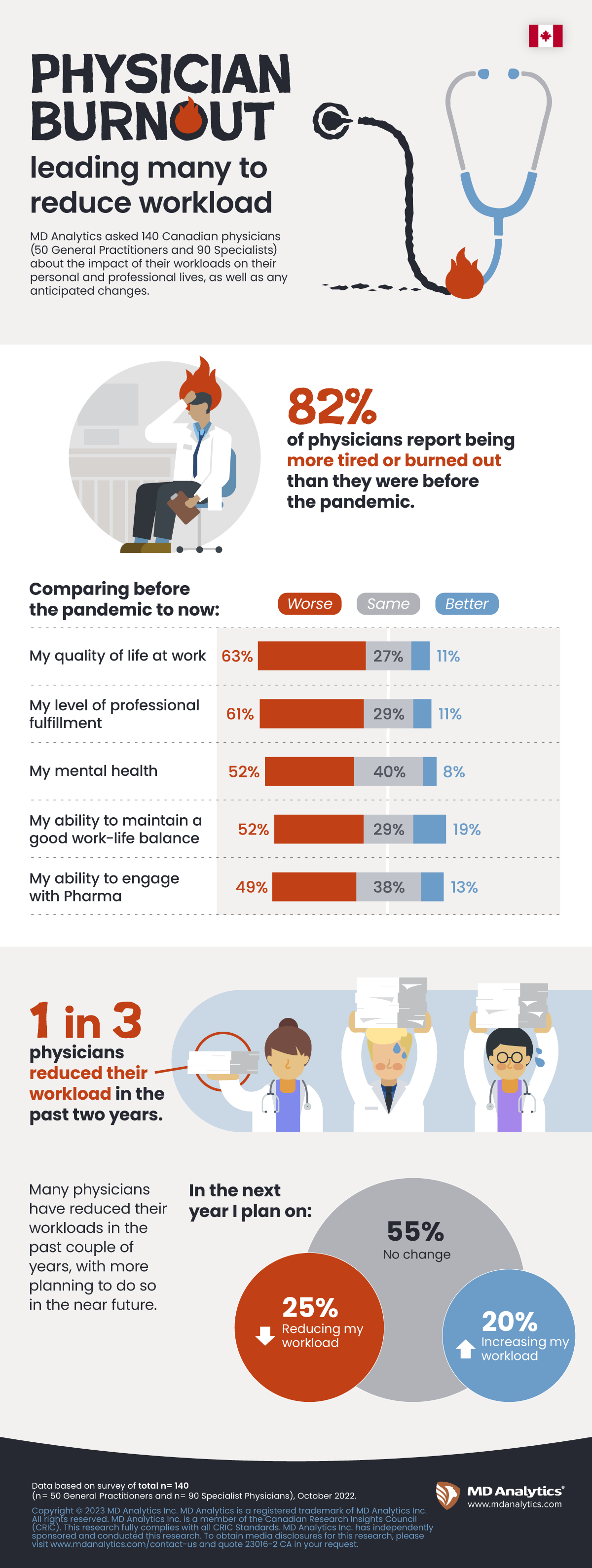
Physicians face significant administrative demands that contribute to professional burnout. According to a 2024 systematic review by Kayden Chahal and Kabir Matwala, the mean burnout prevalence among 8,471 orthopedic surgeons reached 48.9%. Research by Shuting Lu and colleagues further observed that burnout rates among attending surgeons doubled between 2019 and 2023, with workload identified as the most problematic factor across all career stages.
The burden is exacerbated by the time required for EHR management. An AMA survey of over 12,400 physicians found that in 2023, the average workweek reached 59 hours, with 8 hours dedicated to administrative tasks. Evalina L. Burger, MD, chair of orthopedics at the University of Colorado Anschutz, noted that physicians spend an average of 14 hours per week on tasks such as preauthorizations, surgical planning, and medical record completion.
How AI Scribes Influence Clinical Efficiency
AI scribes utilize ambient technology to document medical encounters, which may improve both efficiency and the quality of patient care. A study by Kevin Pearlman, MD, MS, found that using these tools reduced time spent on the EHR by 8.5%. Furthermore, a JAMA Network Open study led by Lisa Rotenstein, MD, MBA, reported that clinicians in an 84-day pilot program saw their burnout rates drop from 52.6% to 30.7%.
Anthony A. Romeo, MD, chief medical editor of Healio | Orthopedics Today, noted that these tools allow for better eye-to-eye contact during evaluations. By removing the need to focus on a computer screen, clinicians may foster greater trust with their patients. Additionally, AI scribes may offer cost benefits; while medical scribes can cost between $2,500 and $4,500 per month, AI scribe services average approximately $1,800, according to the American Association of Family Physicians.
Addressing Risks and Regulatory Concerns
Despite the potential benefits, experts point to inherent risks in AI implementation. I. Glenn Cohen, JD, professor of law at Harvard Law School, noted that there is no legal requirement for these technologies to undergo FDA review if they fall outside current jurisdictional rules. Consequently, hospital systems must conduct their own internal evaluations regarding safety, efficacy, and ethics before adoption.
Technical challenges, such as AI “hallucinations” or incorrect outputs, also persist. Randy Boldyga, CEO of RXNT, explained that background noise can occasionally interfere with accuracy, though he expects software performance to improve. Clinicians are advised to maintain a role in verifying all documentation. Furthermore, attorneys recommend that health care systems treat AI-generated notes as drafts that require a physician’s review and signature to ensure they meet legal standards for patient records.
Expert Insight: The integration of AI scribes represents a shift toward automating the most labor-intensive aspects of medical administration. While the technology promises to restore the physician-patient relationship, the legal burden for accuracy remains firmly with the clinician. The primary challenge for health systems in the coming years will be balancing the promise of increased efficiency with the necessity of rigorous, ongoing audits for bias and diagnostic reliability.
Frequently Asked Questions
What is an AI scribe?
An AI scribe, or ambient documentation technology, is a system that uses artificial intelligence to record and transcribe clinical encounters, reducing the time physicians spend manually entering data into electronic health records.
Do AI scribes eliminate the need for physician oversight?
No. Experts, including Randy Boldyga and I. Glenn Cohen, emphasize that physicians must still review, verify, and sign all documentation to ensure accuracy and meet legal requirements for medical records.
What are the primary risks associated with using AI in medical documentation?
Identified risks include potential patient privacy breaches, the possibility of the AI providing inaccurate diagnoses, and the occurrence of “hallucinations” or misleading outputs. Additionally, there are concerns regarding the lack of federal regulatory review for some of these tools.
How might your personal experience with medical documentation change if your physician spent the entire appointment focused on you rather than a computer screen?