
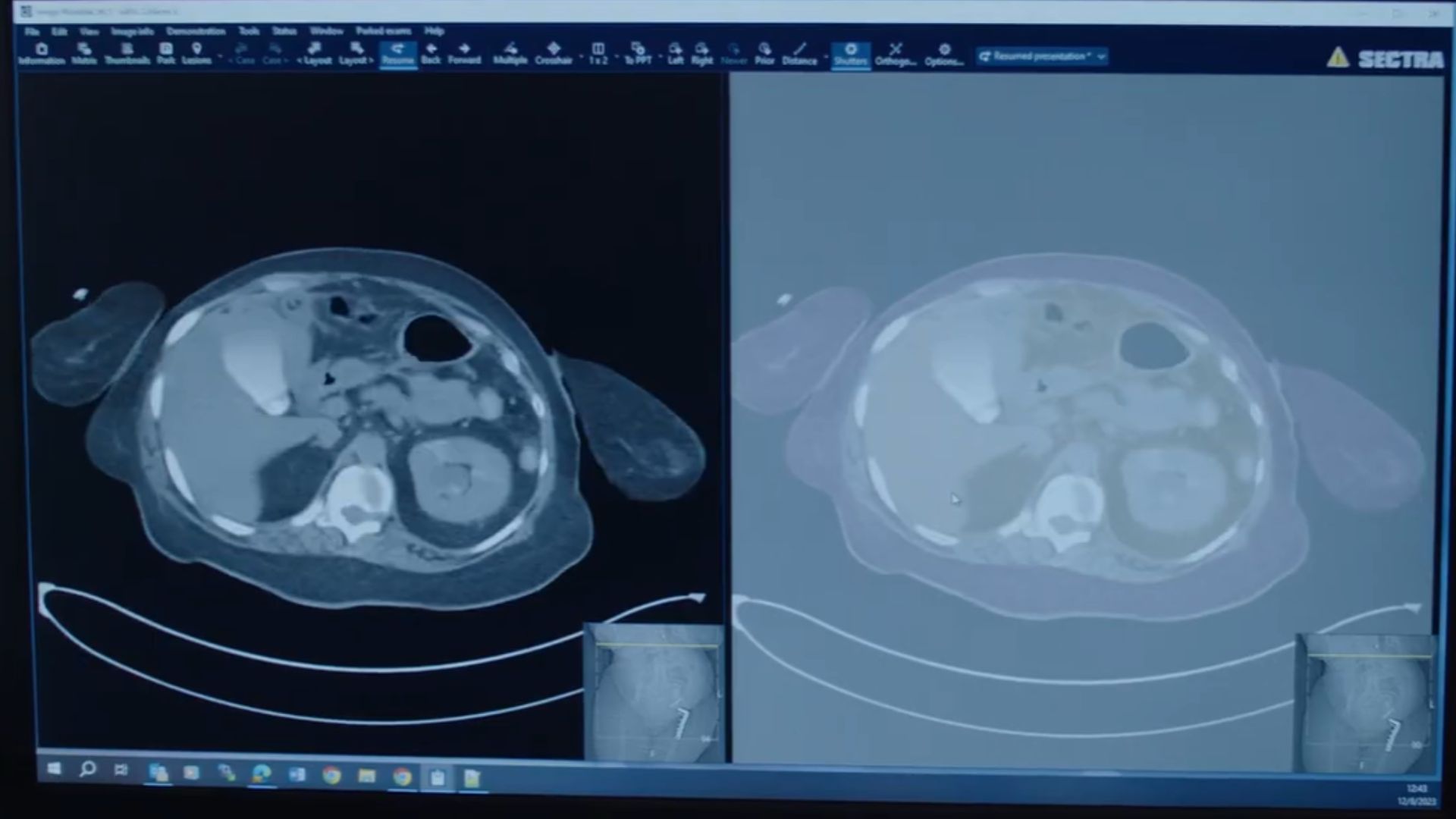
AI technologies help doctors improve medical imaging processes
Artificial intelligence is rapidly integrating into the healthcare landscape, fundamentally changing how clinicians approach patient care. By accelerating diagnostic processes, these technologies may grant doctors more time with their patients and facilitate the development of new treatments.
Precision in Medical Image Registration
Researchers at Penn are currently developing breakthrough AI technologies designed to optimize clinician workflows and improve patient outcomes. One such innovation focuses on “medical image registration,” the critical process of aligning multiple medical images so anatomical structures appear in the exact same position across different scans.
This alignment is essential for doctors and researchers to compare images over time, across different imaging types, or between different patients. While machine learning is already used in conventional imaging, inconsistencies often persist.
To address this, Yong Fan, PhD, Professor of Radiology at Penn Medicine, developed an image registration algorithm utilizing deep learning. Unlike previous models, this technology employs “self-supervised learning,” meaning it does not rely on pre-existing data to identify how to line up images.
This increased speed and improved alignment could allow doctors to provide more accurate diagnoses and monitor changes in a patient’s condition more effectively. Potential applications include monitoring tumor growth via MRI scans, aligning CT scans during emergency care, and guiding image-based surgeries.
Real-Time Insights via Cloud-Based AI
Another advancement in radiology is the development of AInsights, a cloud-based machine learning platform. This technology was created by a team including Walter Witschey, PhD, Associate Associate Professor of Radiology, and Ari Borthakur, PhD, MBA, Adjunct Professor of Radiology, alongside colleagues from the Department of Radiology and Penn Medicine’s Information Services team.
AInsights utilizes a medical image processing pipeline on a cloud server, allowing clinical picture archiving and communication systems (PACS) to access machine learning models. These models analyze new images in real time to identify clinically relevant patterns.
The platform generates diagnostic predictions that radiologists can then incorporate into patient reports. This integration is anticipated to save radiologists time and improve overall diagnostic accuracy without disrupting existing workflows.
The effectiveness of AInsights is currently being tested in various clinical settings. The project has already received recognition through the CIO Award in 2024 and the Healthcare Innovation Award 2025.
The Path Toward Clinical Integration
These innovations suggest a future where medical imaging is both faster and more accurate. By equipping doctors with predictive diagnostic information and precise image registration, AI may enable more efficient treatment delivery.
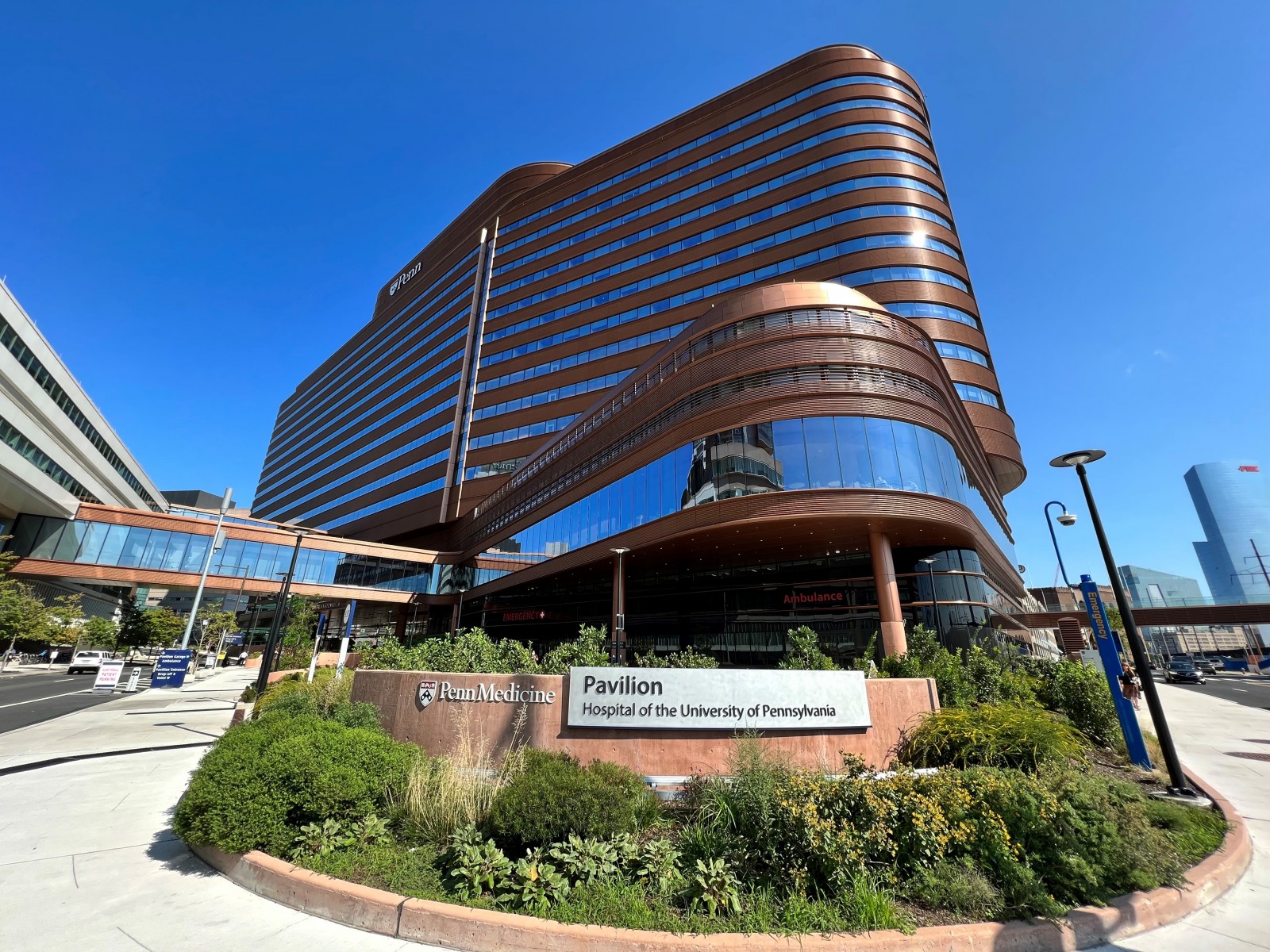
The translation of these laboratory discoveries into real-world patient solutions is supported by the Penn centre for Innovation (PCI). As researchers continue to explore the capabilities of AI in clinical settings, further breakthroughs in medical imaging may emerge.
Both the image registration algorithm and the AInsights platform are currently available for licensing and partnership opportunities to further their development.
Frequently Asked Questions
What is medical image registration?
We see the process of aligning multiple medical images so that the same anatomical structures, such as tissues or organs, appear in the exact same position across each scan for accurate comparison.
How does AInsights assist radiologists?
AInsights uses a cloud-based pipeline to analyze medical images in real time, identifying relevant patterns and generating diagnostic predictions that radiologists can include in their reports.
What is the role of the Penn centre for Innovation (PCI)?
PCI supports the translation of research and ideas from the laboratory into practical solutions that can help real patients.
How do you think the integration of real-time AI analysis will change the patient experience during diagnostic imaging?