
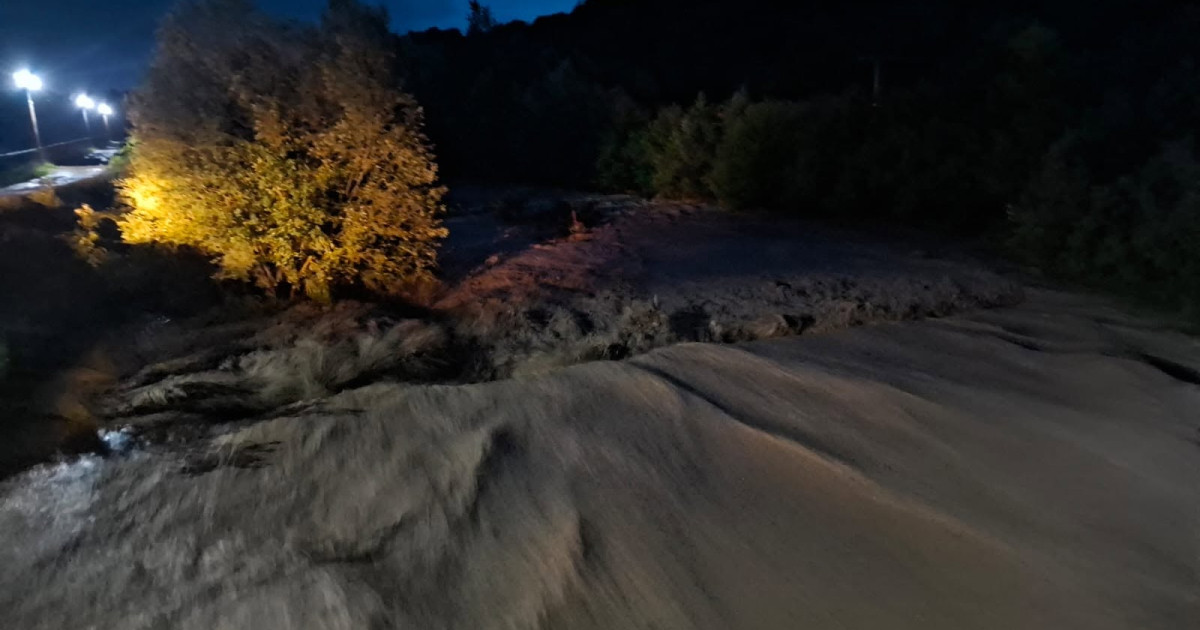
Alertă hidrologică în Prahova: Măsuri de urgență la barajele Măneciu și Paltinu
Apele Române has implemented controlled water evacuations at the Măneciu and Paltinu accumulations following heavy rainfall exceeding 60 l/mp in the Teleajen river basins. These preventive measures, including increasing Măneciu’s discharge to 50 mc/s, aim to manage rapid inflow increases and protect the water supply for Vălenii de Munte.
Why are the Măneciu and Paltinu accumulations being evacuated?
Heavy precipitation in the upper basins of the Teleajen river caused inflows at the Măneciu accumulation to spike rapidly to approximately 250 mc/s. To manage this surge, officials increased the controlled evacuation rate from 5 mc/s to roughly 50 mc/s via the semi-depth intake.
At the Paltinu accumulation, where inflows are also rising, authorities have ordered preventive exploitation. This involves a controlled evacuation of approximately 15 mc/s through the semi-depth intake to maintain safety margins.
How is the water supply for Vălenii de Munte being protected?
Authorities are focusing on the Izvoarele polder, which holds a reserve of about 300,000 mc of raw water. This specific reserve is dedicated to supplying the Vălenii de Munte Water Treatment Station.
Current measures aim to shield this reserve from contamination. According to Apele Române, the primary goal is to reduce the risk of high-turbidity water entering the supply system.
What happens next for the Teleajen and Doftana rivers?
The Buzău-Ialomița Water Basin Administration and the Prahova Water Management System are maintaining permanent surveillance. They are tracking precipitation, inflow and outflow rates, and turbidity levels on the Teleajen and Doftana rivers.
Future actions could include further adjustments to evacuation volumes if inflows continue to rise. Apele Române may continue to coordinate with emergency management institutions to ensure population safety and resource protection.
Frequently Asked Questions
What caused the rapid increase in water levels?
High-intensity precipitation exceeding 60 l/mp in the upper hydrographic basins of the Măneciu accumulation on the Teleajen river.
What is the current evacuation rate at the Măneciu accumulation?
The evacuation is being performed via the semi-depth intake at a rate of approximately 50 mc/s, up from an initial 5 mc/s.
Which regions have seen wider weather impacts?
Firefighters have intervened for floods and fallen trees in Bucharest and 10 other counties, with specific flooding reported in Bacău, Vrancea, and Vaslui.
How do you think urban infrastructure should evolve to better handle these rapid inflow surges?