

Algerian Ports Struggle in Latest World Bank Global Performance Ranking
Algerian ports are undergoing a significant operational shift following a recent global performance assessment by the World Bank and Global Market Intelligence. The Container Port Performance Index (CPPI) ranks the port of Annaba as the highest-performing facility in Algeria at 270th globally, while the ports of Algiers and Béjaïa place 379th and 388th, respectively. These rankings, which measure the total time elapsed from ship arrival to departure, underscore persistent challenges in cargo processing and vessel turnaround times that the government has targeted with a series of reforms since 2025.
Why are Algerian ports underperforming in global rankings?
The CPPI report identifies capacity constraints and slow processing speeds as the primary factors limiting the competitiveness of Algerian maritime hubs. According to the World Bank, the index evaluates performance based on the time ships spend in port—a metric where Algerian facilities currently lag behind regional leaders like Morocco’s Tanger Med, which secured the 6th position worldwide. The data suggests that limited connectivity with the hinterland and insufficient infrastructure investment have historically hindered the efficiency of ports like Algiers and Béjaïa.
The CPPI evaluates over 400 ports worldwide. Its primary metric is the “vessel turnaround time,” which tracks every minute a ship spends at the quay, including waiting periods in the harbor.
How is the government accelerating port modernization?
Algerian authorities have implemented a multi-pronged strategy to address these logistical bottlenecks. Since early 2025, the government has mandated a transition to 24/7 port operations to eliminate service gaps. By May 2026, this directive expanded to include customs agents and transit operators, requiring them to maintain continuous staffing to prevent container congestion. Furthermore, port authorities have reactivated ship diversion protocols, which redirect vessels from heavily congested terminals to those with available capacity, according to official government statements.
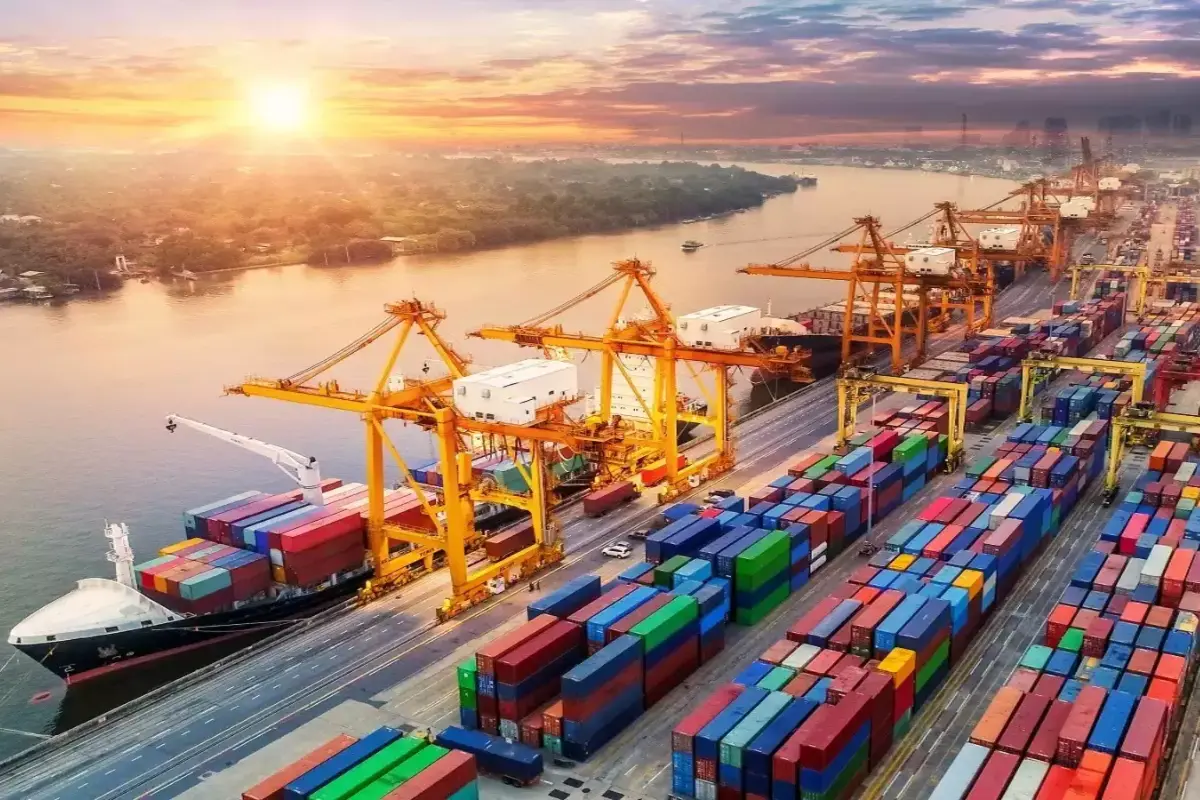
Investment in heavy-duty equipment
To improve terminal productivity, state enterprises have launched a capital expenditure program targeting modern handling equipment. The deployment of new cranes, reach stackers, and specialized port tractors aims to reduce the physical time required to load and unload cargo. This modernization effort is intended to directly impact the CPPI rankings by shortening the duration ships remain docked, thereby lowering overall logistics costs for the national economy.

What are the indicators of recovery?
Early performance data from 2026 suggests that the operational reforms are beginning to yield results. The port of Béjaïa has reported a measurable reduction in vessel waiting times during the first half of the year, signaling a potential shift in national maritime efficiency. If this trend persists, industry analysts expect Algeria to climb the global rankings in future iterations of the World Bank study. Improving these metrics is a stated priority for the government, as high-performing ports are essential for increasing non-hydrocarbon exports.
Monitor the “vessel turnaround time” metrics published by regional port authorities. Consistent decreases in these figures are the most reliable leading indicator of improved port competitiveness before formal annual rankings are released.
Frequently Asked Questions
- Which Algerian port is the most efficient?
The port of Annaba currently holds the highest ranking among Algerian facilities, placing 270th globally and 16th in Africa, according to the latest CPPI data. - What is the main goal of the 24/7 port policy?
The policy aims to reduce vessel waiting times and accelerate cargo throughput by eliminating operational downtime in the supply chain. - How do African ports compare globally?
While leaders like Tanger Med (6th globally) perform at a world-class level, the World Bank notes that many African ports continue to face challenges related to capacity and hinterland connectivity.
Are you tracking the impact of these logistics reforms on your supply chain? Share your experiences with port throughput in the comments section below or subscribe to our newsletter for updates on regional trade infrastructure.