

All In: RFDS Marks National Reconciliation Week 2026
As National Reconciliation Week (NRW) 2026 commences from 27 May to 3 June, organizations are reflecting on the historical milestones that define the path toward equity. This period serves as a vital reminder of the 1967 Referendum, which granted the Commonwealth power to legislate for First Nations peoples, and the 1992 Mabo decision, which established the recognition of native title in Australian law.
The Intersection of Health and Reconciliation
For health service providers like the Royal Flying Doctor Service (RFDS), this week is an opportunity to evaluate internal progress toward equity. The organization has committed to a Reconciliation Action Plan, which serves as a framework to ensure accountability in building respectful relationships.
The core objective of this plan is to support First Nations employment and health equity. By focusing on these areas, the service aims to ensure that healthcare delivery is culturally safe for every patient, regardless of their location or background.
Future Implications for Service Delivery
Moving forward, the emphasis on being “All In” indicates that service providers may increasingly prioritize listening and learning as formal components of their operational strategy. This shift suggests that future healthcare models could be defined by deeper, more collaborative partnerships with the specific communities receiving care.
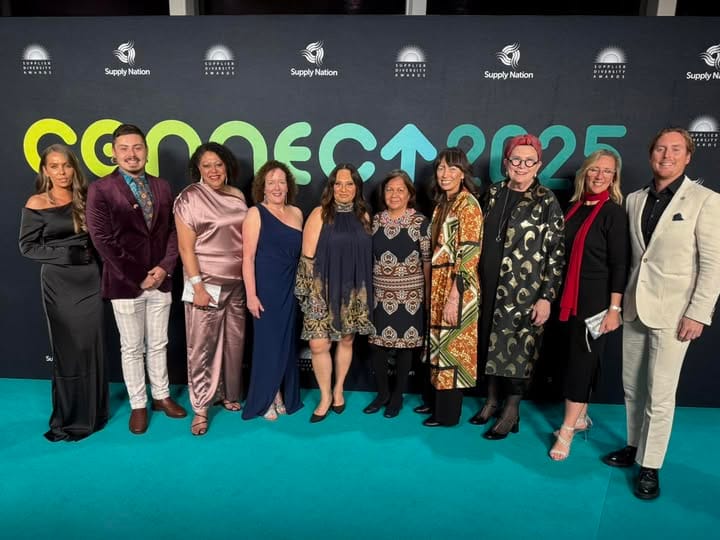
Staff, supporters, and volunteers are being encouraged to integrate these values into their daily lives. Whether through participating in local NRW events or utilizing resources from Reconciliation Australia, this collective action is expected to strengthen the ongoing journey toward reconciliation.
Frequently Asked Questions
What are the historical milestones of NRW 2026?
NRW 2026 is anchored by the 1967 Referendum, which provided the Commonwealth with power to legislate for First Nations peoples, and the 1992 Mabo decision, which recognized native title in Australian law.
How is the RFDS approaching reconciliation?
The organization is utilizing a Reconciliation Action Plan to hold itself accountable for building respectful relationships, supporting First Nations employment, and ensuring health equity and culturally safe services for all patients.
How can individuals participate in reconciliation?
Participation can take many forms, including attending local NRW events, engaging with resources provided by Reconciliation Australia, or reflecting on the meaning of reconciliation in one’s own daily life.
How might you incorporate the principles of listening and learning into your own community involvement this year?