
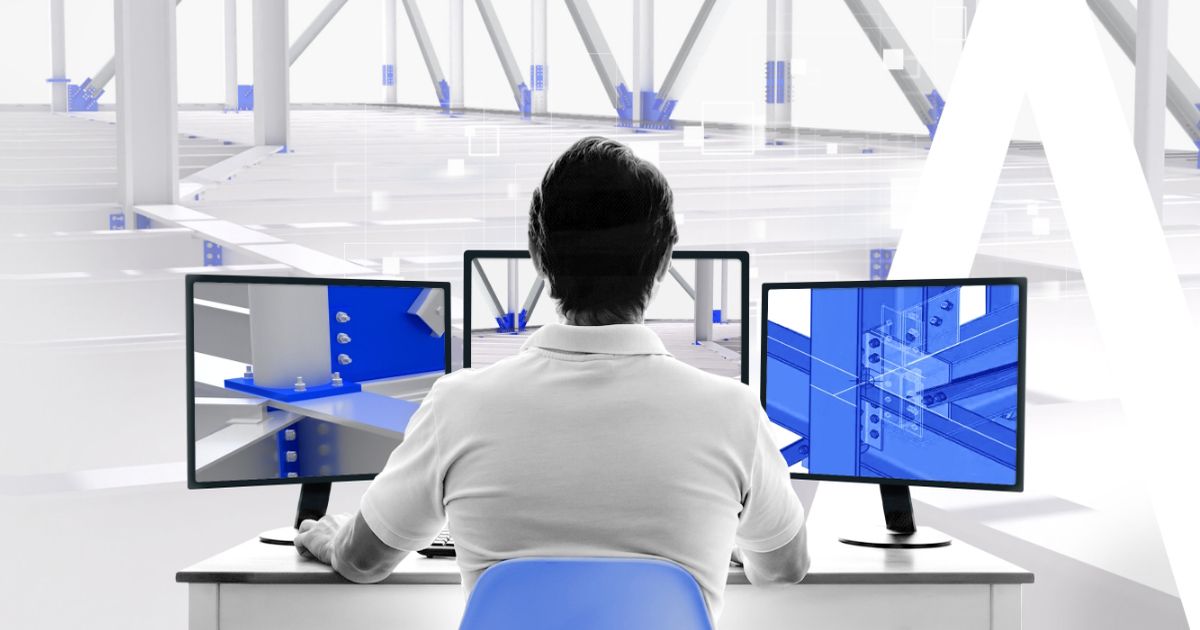
Allplan Launches SDS2 Steel Construction Software in Germany
Allplan has launched its SDS2 steel construction and fabrication software in the German market to integrate BIM modeling, intelligent connection technology, and manufacturing processes. According to Allplan, the platform utilizes a single 3D model for detailing and assembly, with some user reports indicating productivity increases of up to 60%.
How does automated connection design change steel fabrication?
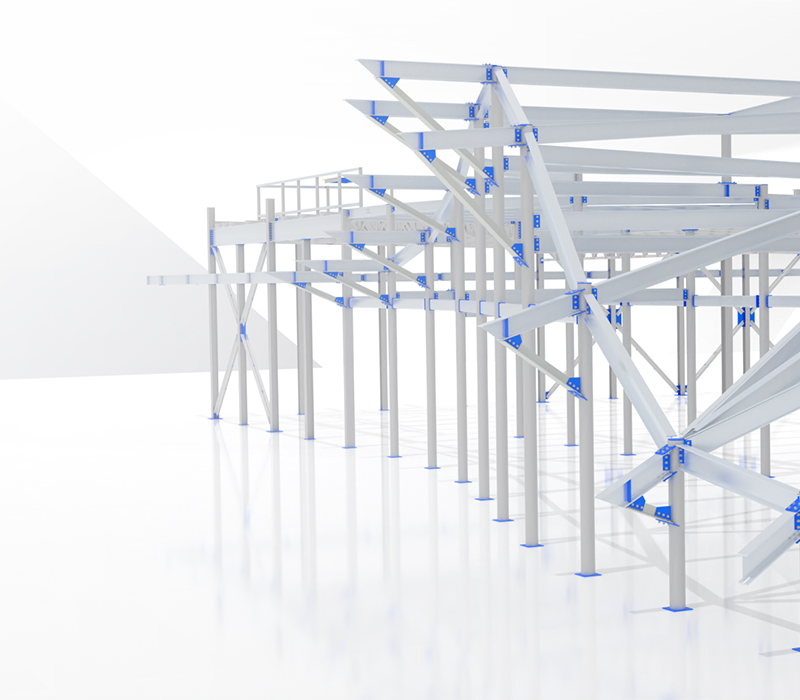
Automated connection design removes the manual drafting phase by generating joints based on the actual physical situation of the components. Allplan states that SDS2 automatically creates and updates these connections within the 3D model.

Supermétal applied this approach during the construction of the Deloitte Summit Tower in Canada. Serge Neron, head of steel construction at Supermétal, noted that 3D modeling functions allowed the team to analyze the construction and design connections more efficiently. This shift reduces the risk of clashes during the assembly phase on-site.
Why is real-time multi-user BIM essential for large projects?
Large-scale steel projects often suffer from version control errors when different teams work on separate files. SDS2 addresses this through real-time multi-user modeling, allowing several engineers and detailers to work on the same model simultaneously.
This connectivity extends beyond the modeling team. Allplan describes an integrated workflow that links structural planning, dimensioning, detailing, and fabrication. When a change occurs in the planning phase, the impact flows through to the fabrication documentation, reducing the need for manual updates across multiple software packages.
What happens when BIM standards become fully open?
Interoperability remains a primary hurdle in construction. Allplan has built SDS2 to support open BIM standards, which facilitates data exchange between different BIM and fabrication solutions. This prevents “vendor lock-in” and allows fabricators to communicate with architects using different software.
The consequence of this open approach is a streamlined “design-to-fabrication” pipeline. Instead of exporting 2D drawings that must be re-interpreted by a fabricator, the 3D model serves as the single source of truth. This minimizes material waste and prevents costly on-site modifications.
Comparison: Traditional vs. Integrated Workflows
| Feature | Traditional Workflow | Integrated SDS2 Workflow |
|---|---|---|
| Connections | Manually detailed 2D drawings | Automated 3D generation |
| Collaboration | Sequential file sharing | Real-time multi-user access |
| Data Flow | Manual translation between tools | Linked Allplan, Frilo, and Scia data |
Frequently Asked Questions
What is Allplan SDS2?
It is a steel construction and fabrication software that combines BIM modeling, automated connection design, and manufacturing documentation on one platform.
How does SDS2 improve productivity?
By using a consistent 3D model for detailing, fabrication, and assembly, users can reduce manual errors and redundant tasks. Some reports cite productivity increases of up to 60%.
Is SDS2 compatible with other software?
Yes. According to Allplan, SDS2 supports open BIM standards for data exchange and integrates specifically with Allplan, Frilo, and Scia for a complete structural workflow.
Want to see how integrated BIM impacts your fabrication timeline?
Share your experience with automated steel detailing in the comments below or subscribe to our industry newsletter for more technical deep-dives.