

Alpha-Gal Syndrome: The Rising Meat Allergy Caused by Tick Bites
The U.S. is seeing an increase in Alpha-gal syndrome, a mammal meat allergy caused by Lone Star tick bites. The CDC estimates nearly 450,000 Americans may have developed the condition. In 2024, the FDA approved Xolair (omalizumab) to manage severe reactions as the tick’s range expands into the North and Central U.S.
The FDA authorized the first specific medication for severe reactions associated with the syndrome in 2024, according to AP News. The CDC reports that the rise in diagnoses stems from both an increase in medical awareness and the wider geographic distribution of the Lone Star tick (Amblyomma americanum).
This condition occurs when a tick bite introduces the alpha-galactose (alpha-gal) sugar molecule into the bloodstream, according to the FDA. The immune system then recognizes this molecule as a threat, triggering an allergic response when the person consumes beef, pork, lamb, or mammal-derived products.
Why is Alpha-gal syndrome increasing in the U.S.?
The Lone Star tick is moving from the South and East into the North and Central regions, including Massachusetts and the Great Lakes area, according to the CDC. This environmental shift has expanded the population at risk of sensitization.
Catherine Brown, an epidemiologist with the Massachusetts Department of Public Health, told WBUR that epidemiological surveillance is now mandatory in at least 14 states. She noted that officials are collaborating across state lines to better track the emerging condition.
What are the symptoms and how is it diagnosed?
Symptoms include hives, itching, abdominal pain, diarrhea, nausea, vomiting, dizziness, and breathing difficulty, according to the CDC and FDA. Some patients experience swelling of the lips, tongue, throat, or eyelids, while others may suffer anaphylaxis.
Unlike most food allergies, these reactions typically appear three to six hours after eating mammal meat, per the CDC. This delayed onset often makes the allergy harder to identify initially.
Diagnosis requires a combination of symptoms, tick exposure history, and a blood test to detect specific IgE antibodies against alpha-gal, according to the CDC. Dr. Scott Commins of the University of North Carolina told AP News that blood tests are useful tools but must be correlated with clinical symptoms and history.
How is the condition treated and managed?
Patients are advised to avoid beef, pork, lamb, and mammal-derived products like animal gelatin, according to the FDA. Poultry, fish, and seafood remain safe for consumption because they do not contain alpha-gal.
While traditional management relied on strict avoidance and the use of epinephrine auto-injectors, the FDA approved Xolair (omalizumab) in 2024. This monoclonal antibody reduces the severity of reactions after accidental exposure, though the FDA notes it does not eliminate the underlying sensitization.
Some patients may see symptoms diminish or disappear after several years, according to the CDC and AP News. This occurs in an estimated 15% to 20% of cases, particularly if the patient avoids further tick bites.
How can you prevent Alpha-gal syndrome?
Health authorities recommend wearing long sleeves and pants in wooded or grassy areas to prevent tick bites, according to the CDC. The use of approved repellents on skin and clothing is also advised.
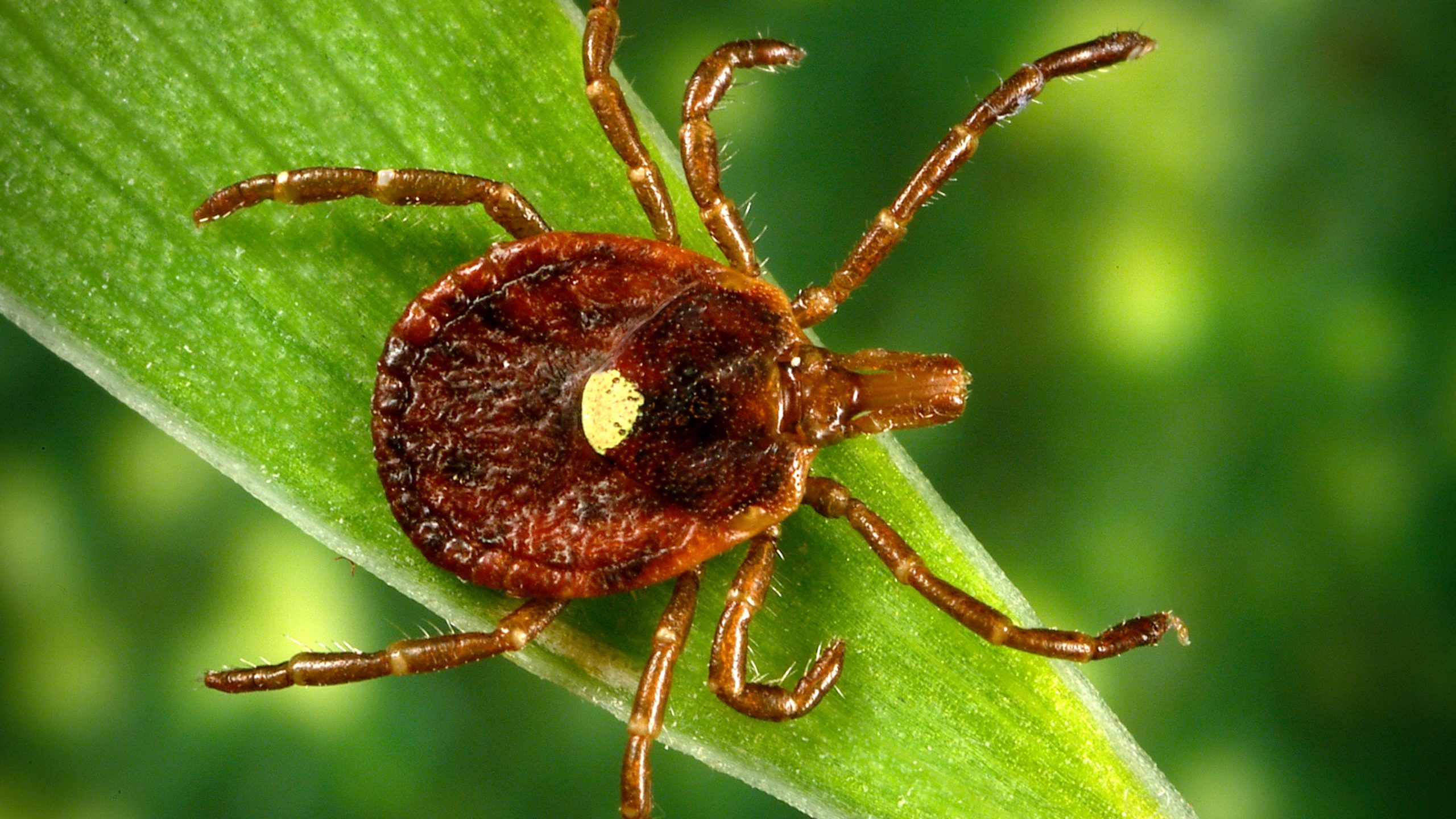
The CDC suggests checking the body immediately after outdoor activities to remove any attached ticks. Individuals with suspected symptoms or a history of exposure should consult a healthcare provider.
What may happen next for affected patients?
The U.S. health system may need to further adapt diagnostic protocols and medical training to keep pace with the tick’s migration, according to the FDA and CDC. Researchers could potentially develop new biological molecules to modulate the allergic response beyond current treatments.
Surveillance may likely expand to more states as officials continue to evaluate the effectiveness of current institutional responses and the impact of environmental changes on tick populations.
Frequently Asked Questions
Can people with Alpha-gal syndrome eat chicken or fish?
Yes. According to AP News, the allergy does not affect the consumption of poultry, fish, or seafood because these animals do not contain alpha-gal in their tissues.
When do allergic reactions typically occur?
According to the CDC and FDA, reactions usually appear between three and six hours after ingesting mammal meat, which differs from the immediate reaction seen in most food allergies.
Is there a permanent cure for Alpha-gal syndrome?
There is no definitive cure, according to the CDC and AP News. However, 15% to 20% of patients may stop presenting symptoms over time, provided they are not re-sensitized by new tick bites.
Do you live in an area where Lone Star ticks are common?