
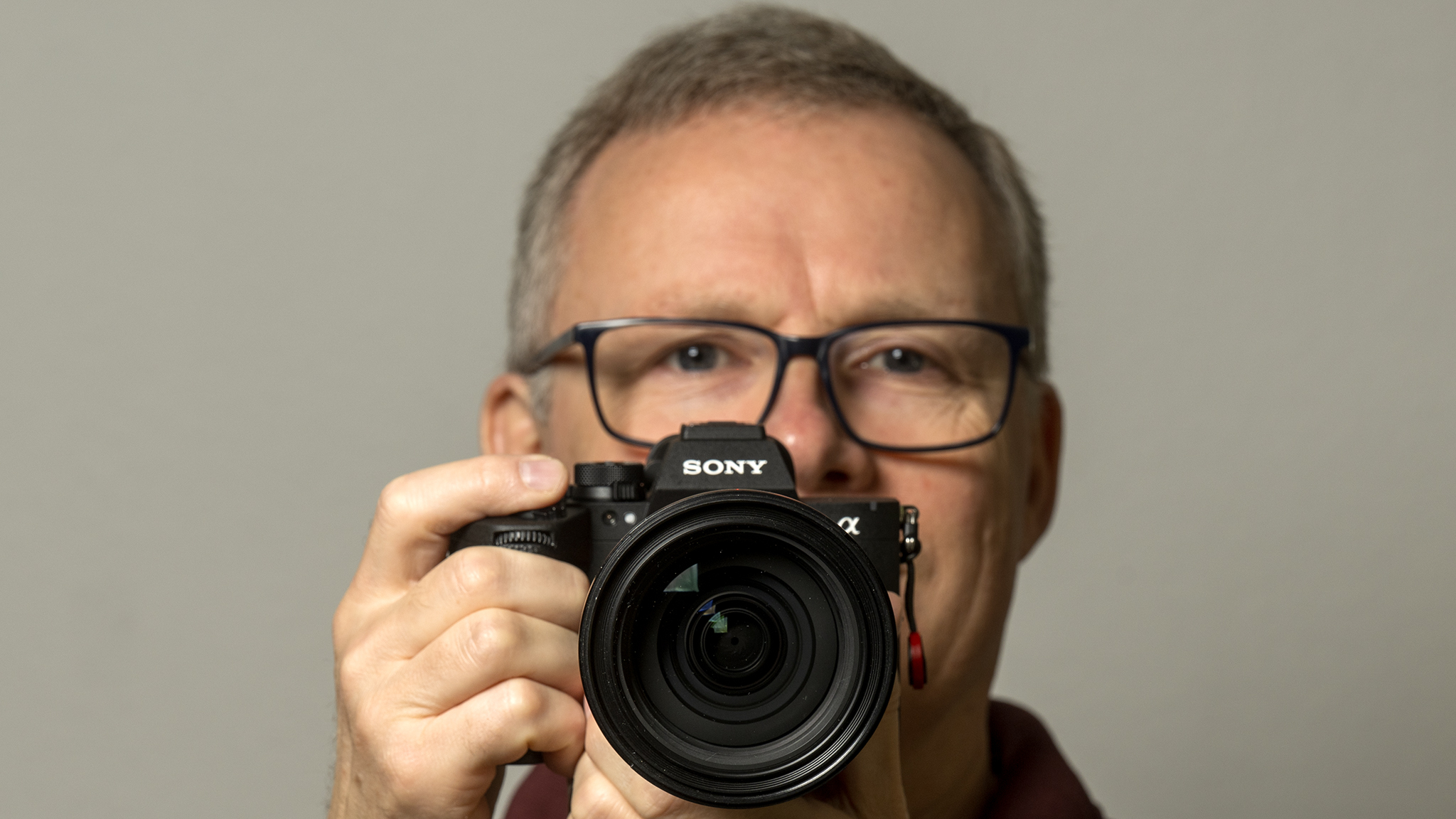
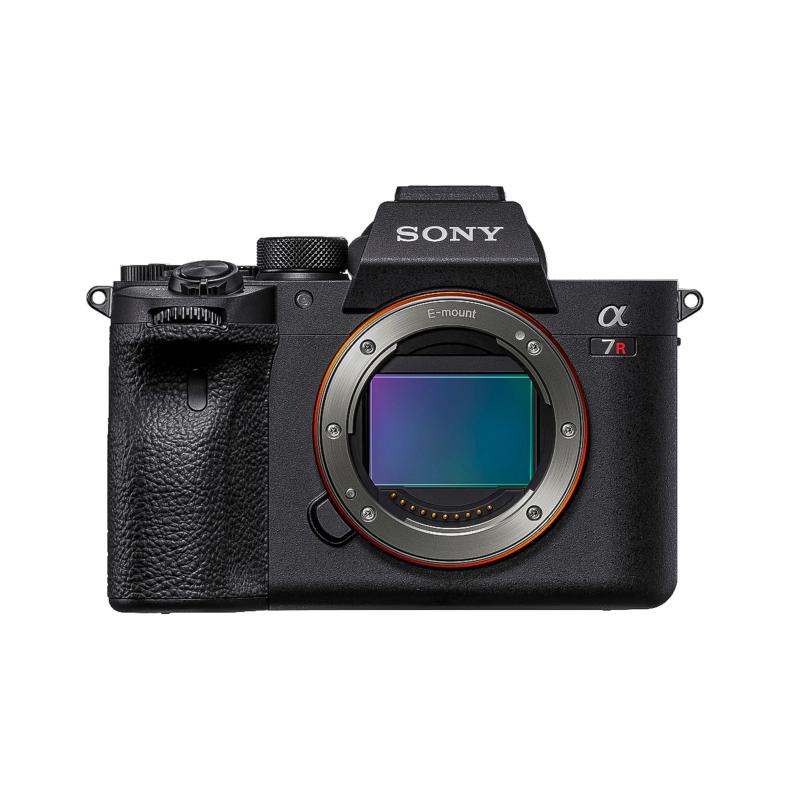
Sony Alpha 7R VI Review: AI Autofocus and 66MP Resolution
The Sony Alpha 7R VI integrates a 66-megapixel sensor and a BIONZ XR2 processor with a dedicated AI unit to automate subject recognition and increase burst speeds to 30.6 frames per second. According to a review by COMPUTER BILD, these updates move high-resolution photography toward AI-driven automation and faster sensor readout electronics.
How does integrated AI improve autofocus?
Integrated AI units allow cameras to recognize subjects based on skeletal structure and posture rather than just facial patterns. The Sony Alpha 7R VI uses the BIONZ XR2 processor to handle this recognition internally, a task that required a separate chip in the previous Alpha 7R V model, according to COMPUTER BILD.
This shift means the camera can maintain focus on a subject even when their face is hidden. For example, the review notes that the system is highly effective at tracking fast-moving animals, though manually selecting the specific subject type further increases the hit rate.
Can high-resolution sensors handle high-speed action?
Yes, provided the readout electronics are upgraded. Older Alpha 7 models read sensors row-by-row, which caused distortions in fast-moving subjects when using an electronic shutter. The Alpha 7R VI uses advanced readout electronics—similar to the Nikon Z6 III or Panasonic Lumix S1 II—to eliminate this lag, according to COMPUTER BILD.
This hardware change enables a maximum burst rate of 30.6 frames per second and a “Precapture” mode. This mode records images continuously, saving photos from up to one second before the shutter button is fully pressed. However, the high data volume makes UHS-II SD cards or CFexpress Type-A cards a necessity to avoid buffer bottlenecks.
Resolution vs. Low-Light Performance
The Alpha 7R VI increases its resolution to 66 megapixels (9984×6656 pixels). While this rivals medium-format systems like the Fujifilm GFX100 II, it creates a trade-off in low light. COMPUTER BILD reports that image sharpness begins to decline at ISO 3200. Photographers working frequently at ISO 6400 or higher may find more success with lower-resolution bodies like the Alpha 7 V or Alpha 9 III.
Why is 8K video and 32-bit audio becoming a standard?
The demand for “hybrid” cameras means high-resolution stills must coexist with professional video specs. The Alpha 7R VI now supports 8K30p and 4K120p recording. To manage the heat generated by 8K processing, the camera is optimized for 4K60p, which COMPUTER BILD found stayed only “lukewarm” even after hours of filming.
Audio is also seeing a professional shift. By using the XLR-A4 adapter, the camera supports 32-bit float audio. This format provides a massive dynamic range, which prevents audio clipping or “oversteering” during loud, unexpected sounds—a feature typically reserved for dedicated field recorders.
How is power management evolving for mirrorless systems?
Higher resolutions and AI processing demand more energy. Sony introduced the NP-SA100 battery for the Alpha 7R VI, which features a capacity of 2670 mAh and a voltage of 7.82V. In testing, this battery allowed for three hours of continuous 4K30p recording, according to COMPUTER BILD.
Charging speeds have also increased via USB-C Power Delivery, supporting up to 28 watts. This allows the battery to reach over 50% capacity in roughly 30 minutes when charging inside the camera body.
Comparison: Alpha 7R VI vs. Predecessors
| Feature | Alpha 7R V | Alpha 7R VI |
|---|---|---|
| Resolution | 60 MP | 66 MP |
| AI Processing | Separate Chip | Integrated in BIONZ XR2 |
| Burst Rate | Lower/Row-readout | 30.6 fps / Fast readout |
| Battery | NP-FZ100 | NP-SA100 |
Frequently Asked Questions
Does the Alpha 7R VI overheat during 8K recording?
While 8K is possible, COMPUTER BILD notes that 4K60p is the sweet spot for thermal management, remaining only lukewarm during extended use.
What memory cards are best for Precapture mode?
Due to the massive data volume, CFexpress Type-A cards (such as the Sony Tough series) are recommended over standard SD cards.
Is the 66MP sensor better for low light than the 60MP sensor?
No. Higher pixel density generally makes sensors more susceptible to noise. Quality begins to drop at ISO 3200, making lower-resolution models better for extreme low-light work.
What do you think about the shift toward integrated AI in cameras? Does a 66MP sensor provide enough value over 60MP for your workflow? Let us know in the comments or subscribe to our newsletter for more deep-dives into imaging tech.