
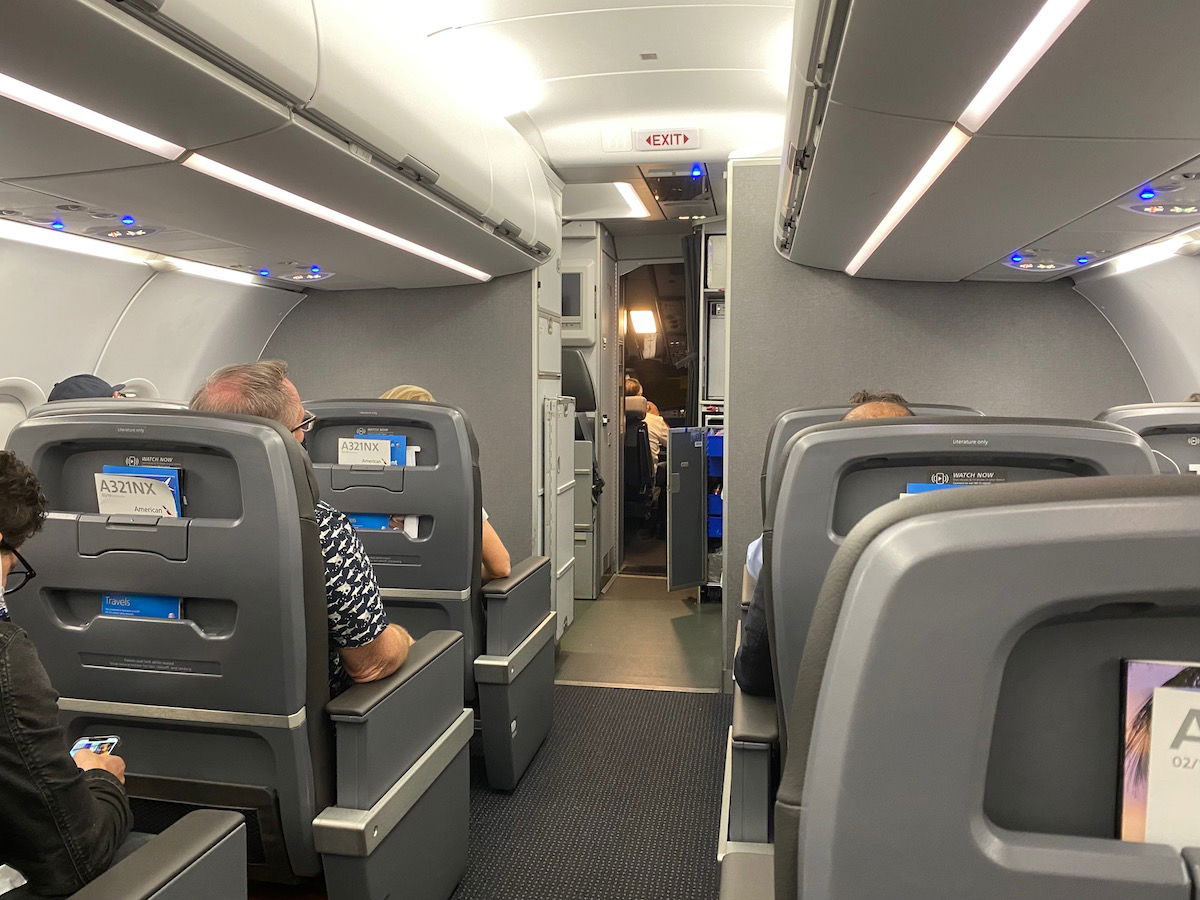
American Airlines Now Uses New Cockpit Barricade For Pilot Bathroom Breaks
American Airlines has begun deploying Installed Physical Secondary Barriers (IPSB) on select aircraft as of June 18, 2026, to protect flight decks during pilot absences. The Federal Aviation Administration (FAA) mandate requires these barriers on newly delivered commercial aircraft to prevent unauthorized access to the cockpit. While American Airlines is the second major U.S. carrier to implement these, the rollout is limited to newer planes, with no current plans to retrofit older aircraft in the existing fleet.
Why are secondary flight deck barriers being installed?
The FAA introduced the secondary barrier requirement in 2025 to bolster security protocols for commercial flights. According to federal regulators, the goal is to create a physical delay for any potential intruder, providing enough time for the flight deck door to be securely locked if a pilot must step out for a restroom break. This measure fulfills the final outstanding recommendation from the 9/11 Commission Report regarding cockpit security.
The use of galley carts to block the aisle during pilot bathroom breaks has been the industry standard for decades. The new IPSB system replaces this manual procedure on modern aircraft, automating a layer of the security process.
Which airlines are currently using the new barriers?
Southwest Airlines was the first major U.S. carrier to deploy the barriers, integrating them almost immediately after receiving new aircraft equipped with the technology. American Airlines joined this initiative on June 18, 2026. Data from industry reports indicate that these barriers are currently only present on a small percentage of the total U.S. commercial fleet, as the mandate applies only to aircraft delivered after August 2025.
Are these barriers effective against modern aviation threats?
While the FAA mandates the installation, some industry observers question the impact on overall safety. Since the 9/11 attacks, reinforced cockpit doors have become standard, and there have been no successful hijackings of commercial flight decks globally. Critics argue that the primary risks to aviation safety have shifted toward pilot mental health and internal cockpit dynamics rather than external boarding attempts.
Historical data highlights incidents where flight deck access played a role in crashes, though these scenarios typically involved internal pilot actions rather than external intruders:
- LAM Mozambique Flight 470 (2013): The first officer was locked out of the cockpit.
- Malaysia Airlines Flight 370 (2014): Investigators believe the captain may have acted alone while the first officer was excluded.
- Germanwings Flight 9525 (2015): The captain was locked out while the first officer remained inside.
- China Eastern Flight 5735 (2022): Suspected pilot suicide, though official reports remain contested.
If you are flying on a plane delivered within the last year, you are more likely to encounter these secondary barriers. You can often determine the age of your aircraft by checking the registration number on sites like FlightAware.
Frequently Asked Questions
Will older planes be retrofitted with these barriers?
No. According to current FAA guidelines, there are no firm plans to require airlines to retrofit existing aircraft with the secondary barriers.
Do foreign airlines have to use these barriers?
The mandate applies to U.S. commercial aircraft. While U.S. airlines are required to maintain a “two-person rule” in the cockpit—ensuring a flight attendant replaces a pilot who leaves—this does not apply to all foreign carriers operating flights into the U.S.
How do flight attendants operate the barrier?
Flight attendants at American Airlines have undergone specific training over the past several months to operate the IPSB system safely and efficiently during in-flight procedures.
What are your thoughts on the new cockpit security measures? Share your perspective in the comments below, or subscribe to our newsletter for the latest updates on aviation safety and industry trends.