
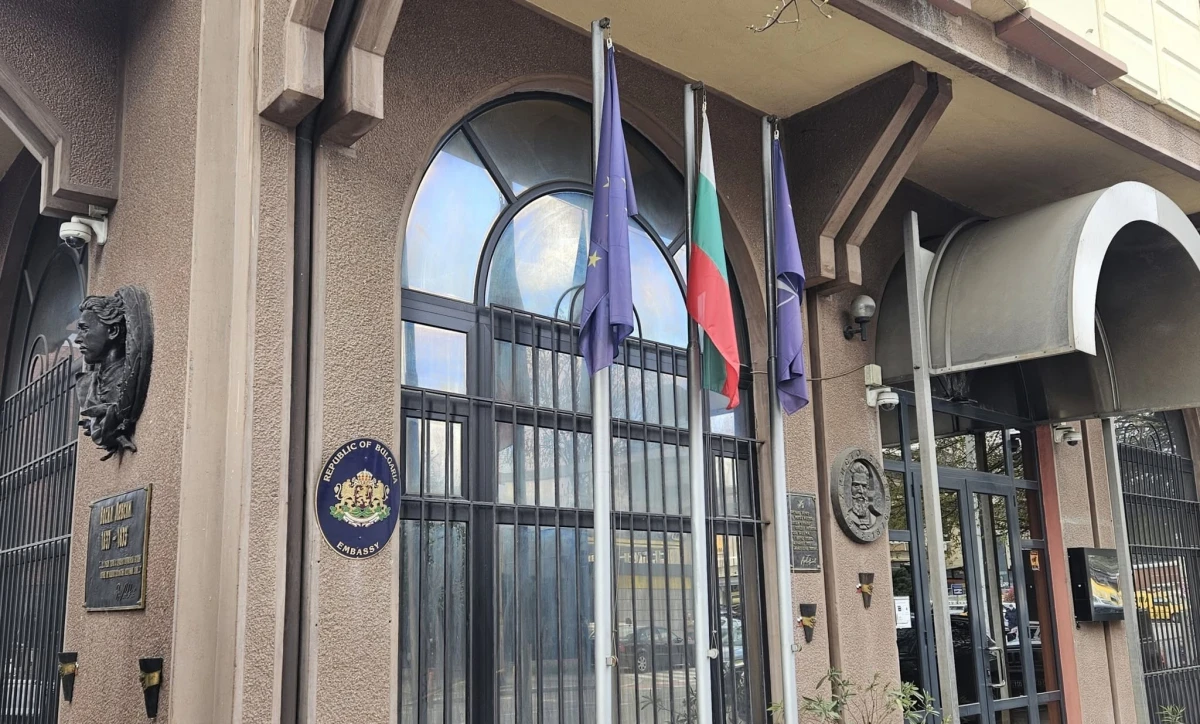
Bulgarian Embassy in Skopje Urges Peaceful Protests Opposes Border Blockade with North Macedonia
Bulgarian diplomatic officials in Skopje expressed gratitude to domestic institutions, organizations, and citizens for their support amid heightened tensions, according to a social media post from the embassy. The statement emphasized the right to peaceful protest while urging restraint to avoid blocking border crossings between Bulgaria and North Macedonia. The embassy also called for cultural and economic engagement with neighboring communities, framing such efforts as critical to countering division.
The embassy’s remarks followed reports that the Foundation Macedonia, a North Macedonian organization, planned to blockade three border checkpoints starting at 11 a.m. on Sunday. The group cited the burning of Bulgarian diplomatic vehicles in Skopje as justification, labeling the act a form of terrorism. The embassy’s response highlighted its commitment to fostering dialogue and mutual understanding, even as it cautioned against actions that could escalate conflict.
Why does this matter?
The embassy’s public acknowledgment of support underscores the delicate diplomatic balancing act between upholding national interests and maintaining regional stability. By condemning potential border blockades, the embassy seeks to prevent disruptions to cross-border trade and travel, which are vital to both nations. The emphasis on cultural and economic ties also reflects broader efforts to strengthen bilateral relations amid political friction.

What happens next?
Analysts suggest the situation could escalate if the Foundation Macedonia proceeds with its planned blockade, potentially straining diplomatic channels. However, the embassy’s call for constructive dialogue may provide a framework for de-escalation. The outcome will depend on whether both sides prioritize cooperation over confrontation, particularly as regional tensions continue to evolve.
The embassy’s statement also addressed criticism of Bulgarian organizations in North Macedonia, dismissing labels of “anti-Macedonian” as unproductive. It stressed the importance of pluralism in democratic societies, arguing that diverse perspectives should foster dialogue rather than division. This stance may influence how Bulgarian civil society engages with North Macedonian actors in the coming weeks.
What are the risks of escalating tensions?
Border closures could disrupt trade and travel, impacting local economies on both sides. Additionally, the embassy’s public appeal for restraint may be tested if the Foundation Macedonia proceeds with its plans, potentially leading to diplomatic disputes. The situation also raises questions about how civil society groups in North Macedonia will navigate their relationship with Bulgarian institutions amid ongoing political disagreements.
How might the public respond?
The embassy’s call for “constructive and European” expressions of concern suggests an expectation that Bulgarian citizens will avoid provocative actions. However, the Foundation Macedonia’s actions could provoke countermeasures, depending on the scale of the blockade and its impact on daily life. Public sentiment in both countries will likely shape the trajectory of the crisis in the coming days.
Frequently Asked Questions
- What did the Bulgarian embassy in Skopje announce?
- The embassy thanked Bulgarian institutions, organizations, and citizens for their support during challenging times. It reiterated its commitment to peaceful protest while urging against blocking border crossings between Bulgaria and North Macedonia.
- Why is the Foundation Macedonia planning to block border checkpoints?
- The group cited the burning of Bulgarian diplomatic vehicles in Skopje as a reason, describing the act as terrorism. It announced plans to blockade three border checkpoints starting at 11 a.m. on Sunday.
- What did the Bulgarian embassy say about criticism of its organizations?
- The embassy rejected claims that Bulgarian groups are “anti-Macedonian,” calling such labels unproductive. It emphasized that democratic pluralism allows for diverse viewpoints without being directed “against” any party.
How might regional tensions affect cross-border relations in the coming weeks?