
Americký úspěch a pětiletý zákaz v Československu
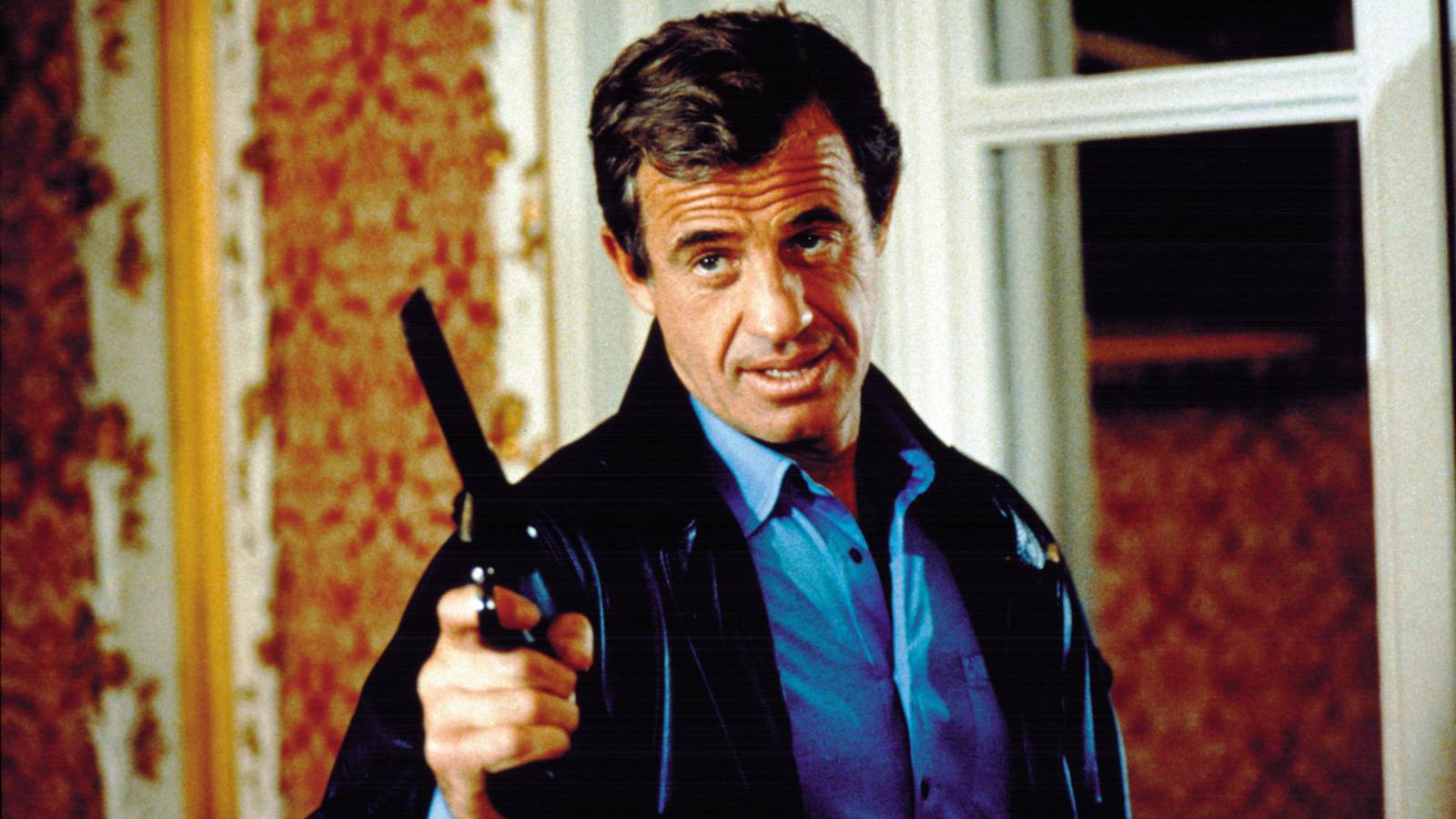
Jean Paul Belmondo exerted significant creative control over the 1981 film Profesionál, forcing changes to the movie’s title and its ending despite strong opposition from producers. According to production records, Belmondo insisted on a tragic conclusion and a punchier title to increase cinema attendance, while the film’s African locations were simulated in France.
Why did Belmondo change the title and ending of Profesionál?
Jean Paul Belmondo and his press spokesperson, René Chateau, pushed for the title Profesionál despite resistance from director Georges Lautner and producer Mnouchkin. Belmondo believed the sharper title would attract more audiences, and the production eventually yielded to his pressure.
The film’s conclusion was a point of severe conflict. Producers demanded a traditional happy ending where the protagonist escapes via helicopter. However, Belmondo, Lautner, and the screenwriter successfully fought for a tragic death for the hero to provide deeper narrative dimension.
A survival version of the ending was produced exclusively for the American market, as audiences there preferred more conciliatory resolutions.
How did the production simulate Africa and Paris?
The crew never traveled to the fictional African state of Malagawi. Instead, they used the swampy terrain of Camargue to mimic a harsh prison environment, working to ensure audiences did not recognize the European landscape.
Filming in Paris was facilitated by Belmondo’s father, Paul Belmondo, a recognized sculptor. His contacts helped the production secure permits to close busy city streets for several hours to film dangerous stunt sequences.
Technical failures forced improvisations during the opening scene. Because of chaotic logistics and the poor condition of the sets, cameramen had to use a telephoto lens from a great distance to hide the flaws.
What role did music and stunts play in the film’s style?
The film’s musical theme, “Chi Mai” by Ennio Morricone, was not originally written for the movie. Morricone composed it in 1971 for the film Maddalena, but Belmondo insisted on its use because he loved the melody.
Belmondo performed all his own stunts, including climbing high-rise buildings in Paris and car chases choreographed by Rémy Julien. The character Beaumont’s use of a Colt Python .357 Magnum revolver subsequently turned the weapon into a symbol for tough investigators in France.
Why was the film banned in Czechoslovakia?
Authorities in the former Czechoslovakia (ČSSR) banned the film for five years. Censors objected to the movie’s political subtext and its open depiction of secret service practices.
This ban created a five-year gap after 1982 during which no new Belmondo films were shown in Czechoslovak cinemas, despite the actor’s high popularity in the region.
What may happen next for fans of the film?
Given the film’s cult status and the historical interest in Belmondo’s stunt work, archival broadcasts may continue to highlight the differences between the European and American endings. Future analyses could likely focus on the influence of the Colt Python on French police cinema.
Frequently Asked Questions
Who performed the stunts in Profesionál?
Jean Paul Belmondo performed all dangerous stunts himself, including building climbs and car chases led by choreographer Rémy Julien.
Where was the African colony filmed?
The colony was filmed in the Camargue region of France, specifically in the Bouches du Rhône marshes.
Why are there two different endings?
Producers wanted a happy ending, while Belmondo and the director wanted a tragic one; the tragic version was used generally, but a survival version was created for the US market.
How do you feel about the difference between a tragic ending and a happy ending in crime dramas?