
An Orbital StormWall Could Mitigate The Next Carrington Event
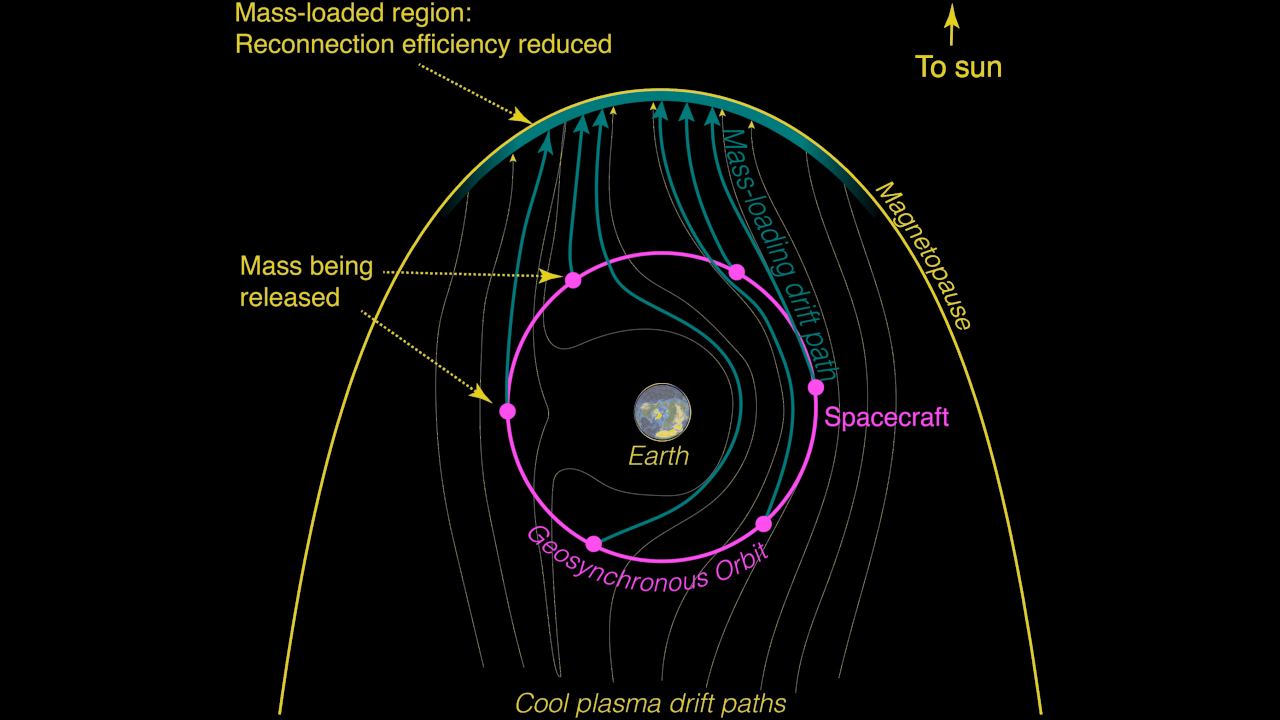
A proposed orbital defense system, dubbed “StormWall,” could mitigate the impact of extreme geomagnetic storms by deploying over 384,000 kilograms of neutral gas into Geosynchronous Earth Orbit (GEO). According to a study published in the journal Space Weather, this “artificial mass loading” technique aims to ionize solar wind energy before it reaches Earth’s magnetosphere, potentially neutralizing up to 50% of the energy from a Carrington-level event.
Why does modern infrastructure face a “Carrington Event” risk?
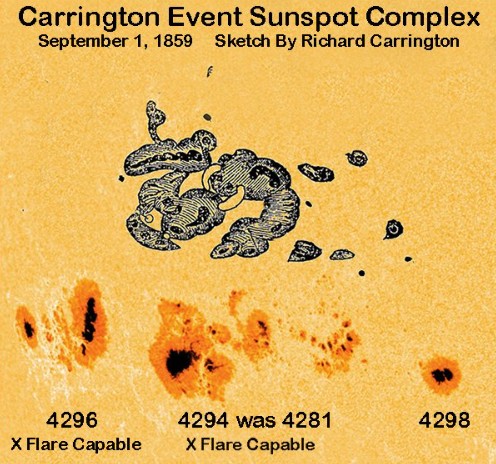
The 1859 Carrington Event remains the most intense geomagnetic storm on record, famously triggering auroras as far south as the equator and inducing currents that fried telegraph lines. While 19th-century infrastructure was limited to simple copper wires, modern society relies on a vast, interconnected electrical grid and thousands of satellites. According to researchers, the sheer density of today’s wiring acts as a massive antenna, making contemporary power systems significantly more vulnerable to the induced currents of a solar superstorm. A direct hit today would likely result in long-term power outages and the destruction of critical communication hardware.
How would the StormWall mitigate solar energy?
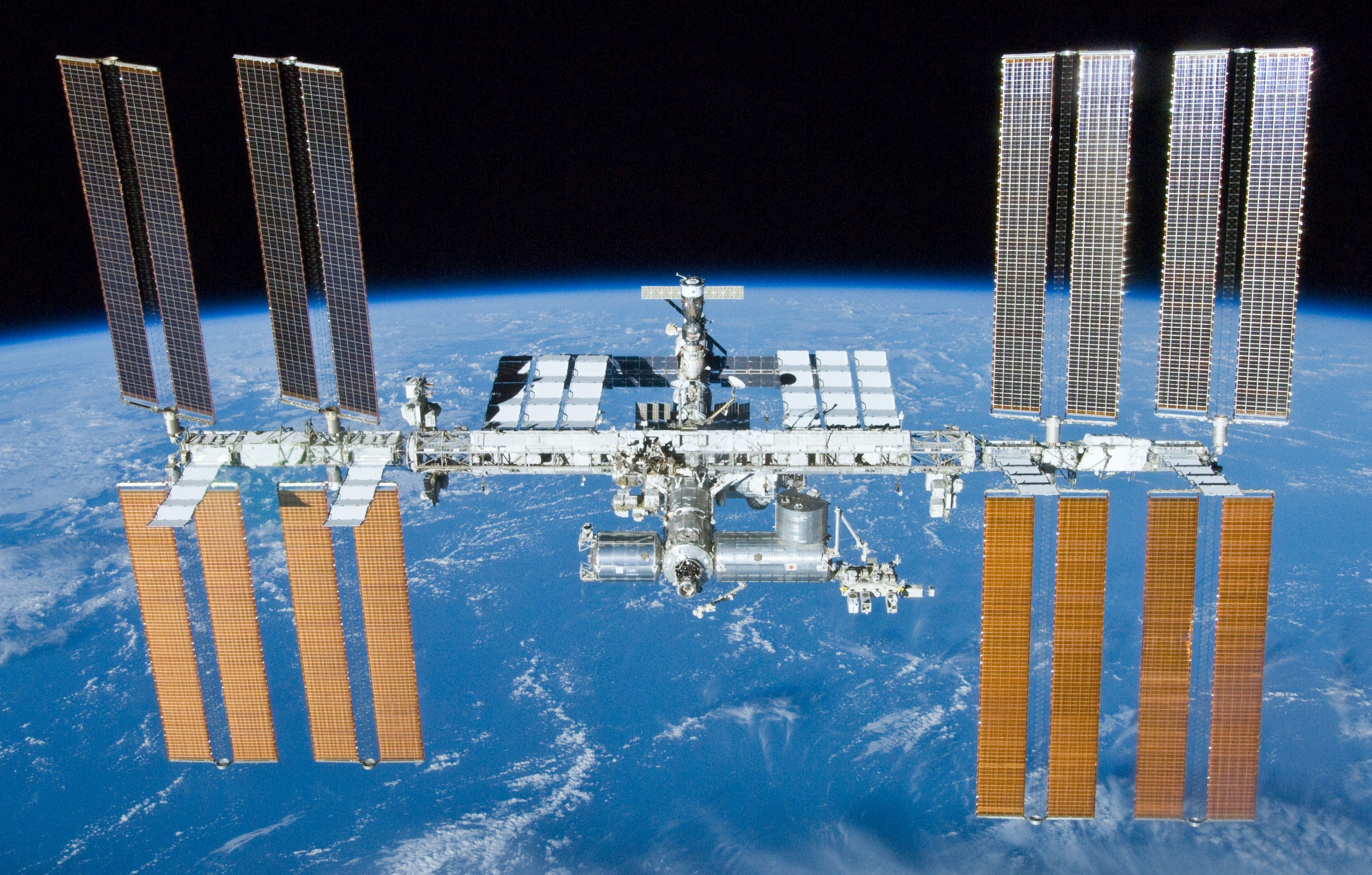
The StormWall concept relies on the controlled release of alkali metal atoms to act as a physical buffer in space. As described in the Space Weather paper, the neutral gas cloud would be ionized by incoming solar particles. This process creates a “mass loading” effect that absorbs a substantial portion of the storm’s kinetic energy. By intercepting the solar wind in GEO, the system protects not only terrestrial power grids but also the International Space Station and commercial satellite constellations operating in lower orbits.
The StormWall proposal requires approximately 384,048 kg of gas. Researchers estimate that deploying this payload would require roughly six launches of a SpaceX Starship, assuming the vehicle reaches its projected 100-ton-to-Mars capacity.
How does this compare to current grid-hardening proposals?
Most existing solutions focus on “hardening” the grid—strengthening transformers and installing surge protection at ground level. In contrast, the StormWall represents a proactive, space-based “hack” to stop the energy before it interacts with the planet. While grid-hardening is necessary for daily stability, it does not prevent the degradation of orbital assets. The StormWall offers a dual-layer defense: shielding the satellites that provide GPS and global communications while simultaneously reducing the geomagnetic stress placed on terrestrial power systems.
Frequently Asked Questions
- Is the StormWall a physical barrier? No, it is a cloud of neutral gas, specifically alkali metal atoms, released into orbit.
- What is the primary benefit of artificial mass loading? It ionizes solar wind, absorbing up to 50% of the energy before it couples with Earth’s magnetosphere.
- Could this protect satellites? Yes, the system is designed to protect assets in GEO and lower orbits, including the International Space Station.
- Is this technology ready for deployment? No, it is a theoretical proposal currently being modeled in simulations to evaluate its effectiveness against extreme solar weather.
What are your thoughts on space-based geoengineering? Join the conversation in the comments section below or subscribe to our newsletter for more updates on emerging space technologies.