
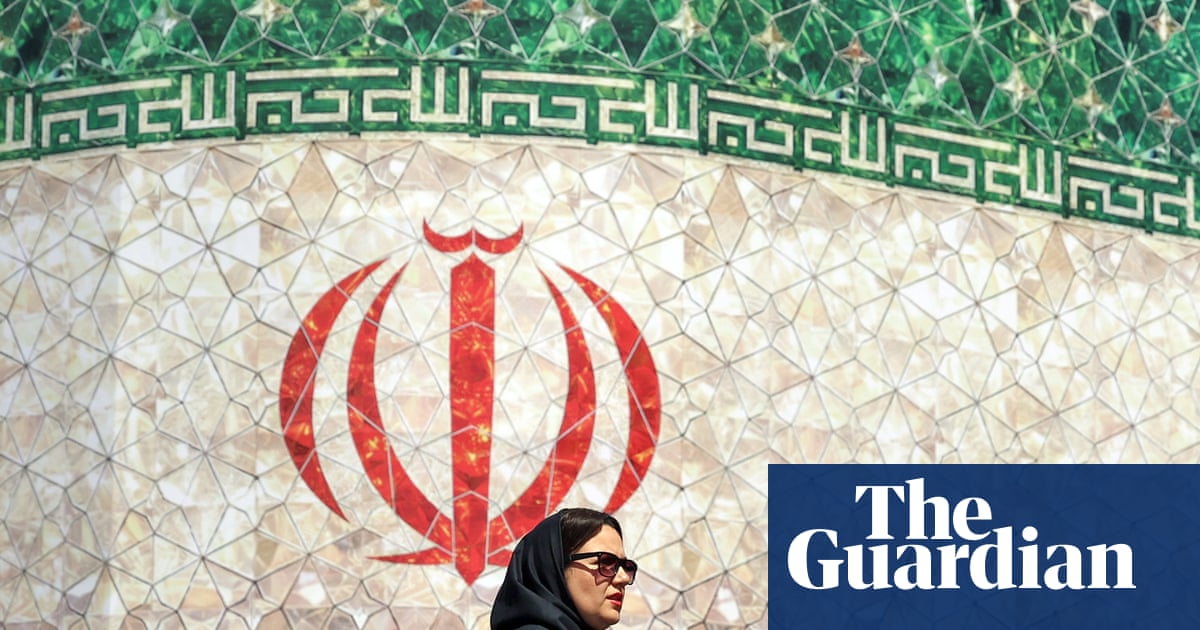
Anger among Iranian hardliners at terms of deal agreed with US | Iran
Iranian officials are facing a domestic rebellion from hardline factions over a proposed deal with the U.S. aimed at ending regional conflict. According to advisor Mehdi Mohammadi, the agreement would allow Iran to charge passage fees in the Strait of Hormuz and block Israeli ships, while critics like Meysam Nili label the proposal a “catastrophic capitulation.”
Why are Iranian hardliners rejecting the U.S. deal?
Hardline members of the Iranian parliament claim the proposed agreement fails to guarantee sanctions relief, financial compensation, or continued control over the Strait of Hormuz. MP Kamran Ghazanfari called claims that the U.S. has “retreated” a “blatant lie.”

Meysam Nili, managing director of Rajanews and brother-in-law to former president Ebrahim Raisi, urged citizens not to remain quiet in the face of what he termed a “catastrophic capitulation.” This opposition is spearheaded by the Paydari Front, including Mahmoud Nabavian of the national security committee and Hossein Shariatmadari, editor-in-chief of the Kayhan newspaper.
How does the deal handle the Strait of Hormuz?
Mehdi Mohammadi, an adviser to negotiating team head Mohammad-Bagher Ghalibaf, asserts the text uses the phrase “Iranian arrangements” to give Tehran leverage. Mohammadi claims this allows Iran and Oman to charge fees for passage and prevents Israeli commercial ships from using the waterway.
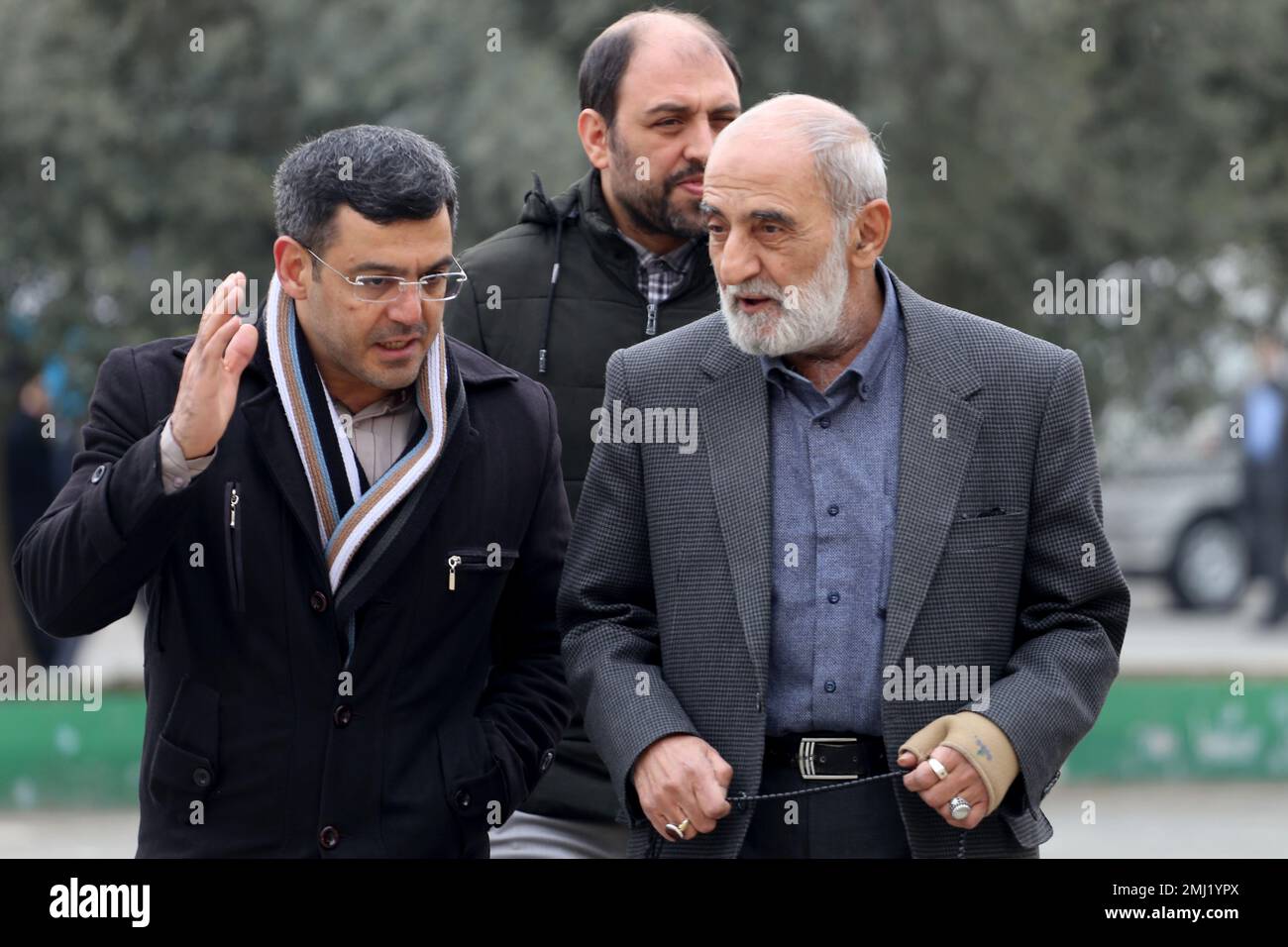
Critics argue this is a downgrade from total control. Hossein Shariatmadari questioned the logic of trading a “fateful lever” for mere “service fees.” He argued in an open letter that closing the strait was a primary tool during the “Ramadan war” to suffocate the enemy’s economic breathing space.
Mohammadi dismissed these concerns, stating, “The strait is in our hands, we can close it any time we want at an hour.”
What happens to Iran’s nuclear program and frozen assets?
According to Mohammadi, the deal requires no new commitments regarding Iran’s nuclear program. He stated the text only confirms that Iran will not build or purchase nuclear weapons, a position he says Tehran has held for years. Discussions on the disposal of highly enriched uranium would take place over a subsequent 60-day period.
Regarding the roughly $12 billion in frozen assets held abroad, Mohammadi admitted the text isn’t finalized. He claimed that while the U.S. likely won’t provide the funds, Arab countries have pledged the money because they’ve “tasted our power” and accepted Iran’s regional superiority.
Comparison: 2015 JCPOA vs. Current Proposal
| Feature | 2015 Nuclear Pact (Obama) | Current Proposal (Trump) |
|---|---|---|
| Primary Focus | Detailed arms control | Ceasefire preconditions |
| Nuclear Terms | Strict limits on activities | No new commitments; no weapons |
| Leverage | Sanctions relief for limits | Control of Strait of Hormuz |
Why does this matter for U.S. foreign policy?
The internal Iranian conflict provides a political opportunity for Donald Trump. The U.S. president seeks to frame this agreement as superior to the 2015 deal struck by Barack Obama. Trump faces accusations that his agreement was only reached through an expensive and disruptive war rather than diplomacy.

Evidence of hardline Iranian rejection helps Trump justify the current terms as a tougher, more effective approach. Meanwhile, the Khorosan newspaper suggested that if the regime allows hardliners to protest, it should also allow pro-deal citizens to march, arguing the majority of Iranians want the war to end.
Frequently Asked Questions
Will Israeli ships be allowed in the Strait of Hormuz?
Mehdi Mohammadi claims the deal would prevent Israeli commercial ships from using the waterway, though hardline MP Hajatoleslam Naboyan has questioned if the proposal actually frees all non-military hostile ships.
How much money is at stake in the frozen assets dispute?
Approximately $12 billion (£9 billion) in frozen funds is currently being discussed, though official text on the release of these funds has not been finalized.
Who is leading the opposition within Iran?
The opposition is led by the Paydari Front, including figures like Mahmoud Nabavian and the editor of Kayhan, Hossein Shariatmadari.
What do you think about the trade-off between sanctions relief and maritime control?
Join the conversation in the comments below or subscribe to our newsletter for real-time updates on global diplomacy.