

Anne Hathaway’s natural face-lift hack went viral: What doctors say
In March, Oscar-winning actress Anne Hathaway addressed persistent public speculation regarding her appearance by sharing a simple styling trick. The 43-year-old posted a video on Instagram, which has since garnered 1.4 million likes, demonstrating how she uses two small braids near her temples—pulled back and concealed under her hair—to create a subtle, lifted effect. While the actress noted the technique helps her look more awake, the viral nature of the post sparked a broader conversation about beauty standards and the pressure celebrities face to address rumors of cosmetic surgery.
Did You Know? The technique of pulling back hair to temporarily tighten the skin around the face is not a new invention; dermatologists note that people have been using similar styling methods for time immemorial to achieve a temporary aesthetic change.
The Clinical Perspective on “Hair Hacks”
While the aesthetic results of Hathaway’s trick have led many social media users to mimic the look, medical professionals urge caution. Dermatologists warn that the physical tension required to achieve this look carries significant health risks for the scalp.
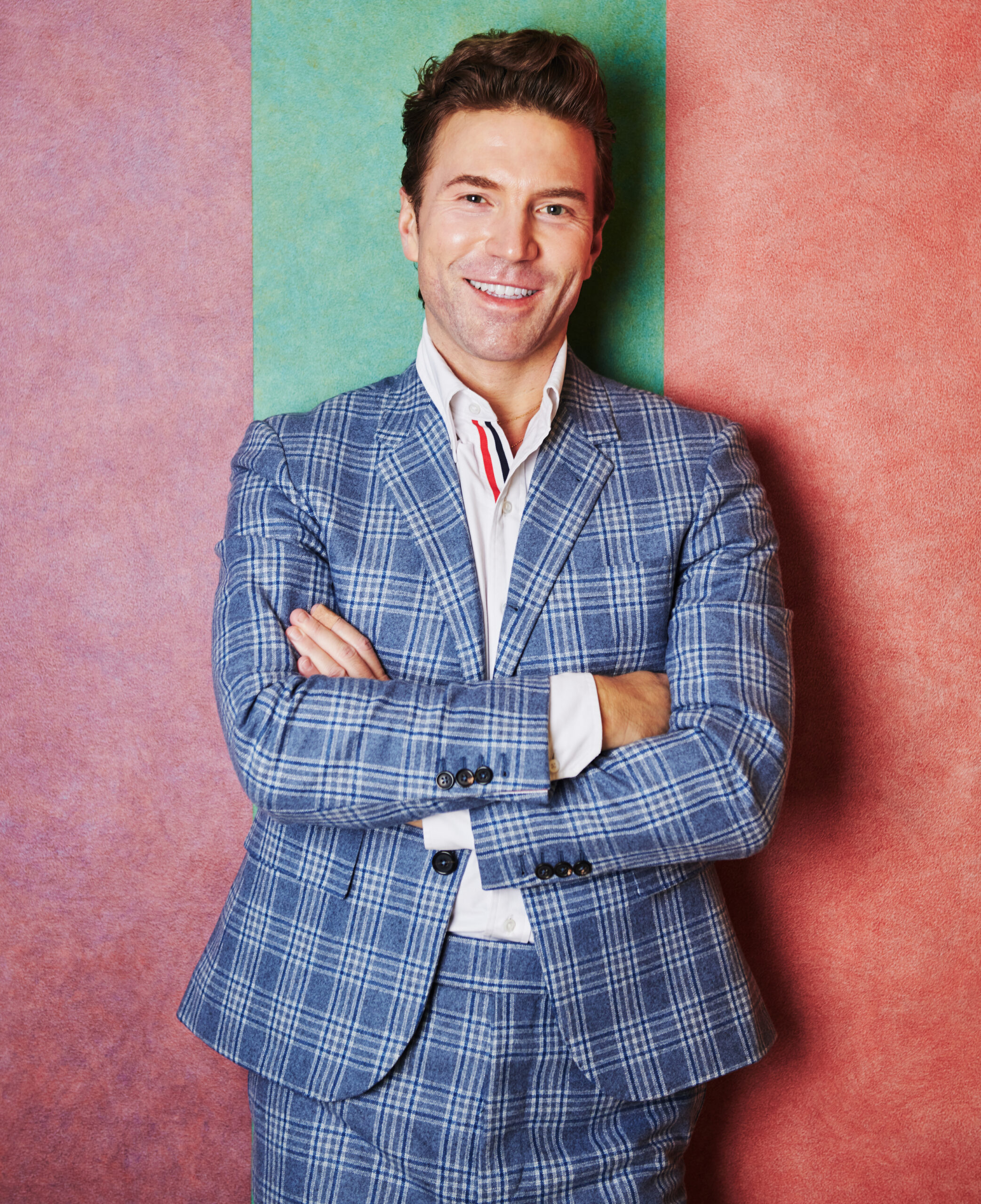
Dr. Anthony Rossi, a dermatologist and surgeon, notes that consistent tension on the hair can lead to traction alopecia. This condition, characterized by hair breakage, can eventually result in permanent hair loss, scarring, and fibrosis. Dr. Brooke Jeffy adds that the practice is often uncomfortable and provides minimal, if any, lasting benefit, suggesting that individuals focus on established skincare practices like sun protection and the use of retinol instead.
Expert Insight: The trend highlights a tension between the desire for immediate, “undetectable” aesthetic improvements and the long-term health of one’s skin and hair. While social media hacks offer a quick, non-medical solution, they often overlook the potential for physical trauma, suggesting that the pursuit of a youthful appearance through unconventional means may carry costs that outweigh the temporary visual effect.
Contextualizing the “Undetectable Era”
Hathaway’s decision to reveal her styling secret was prompted by the intensity of public scrutiny. In a May 21 interview with Elle magazine, she explained that while she prefers to live in mystery, the speculation regarding her appearance had become a distraction. She explicitly stated that the video was not a pointed denial of surgery, but rather an attempt to share her truth in an era where the public often assumes unverified information is fact.
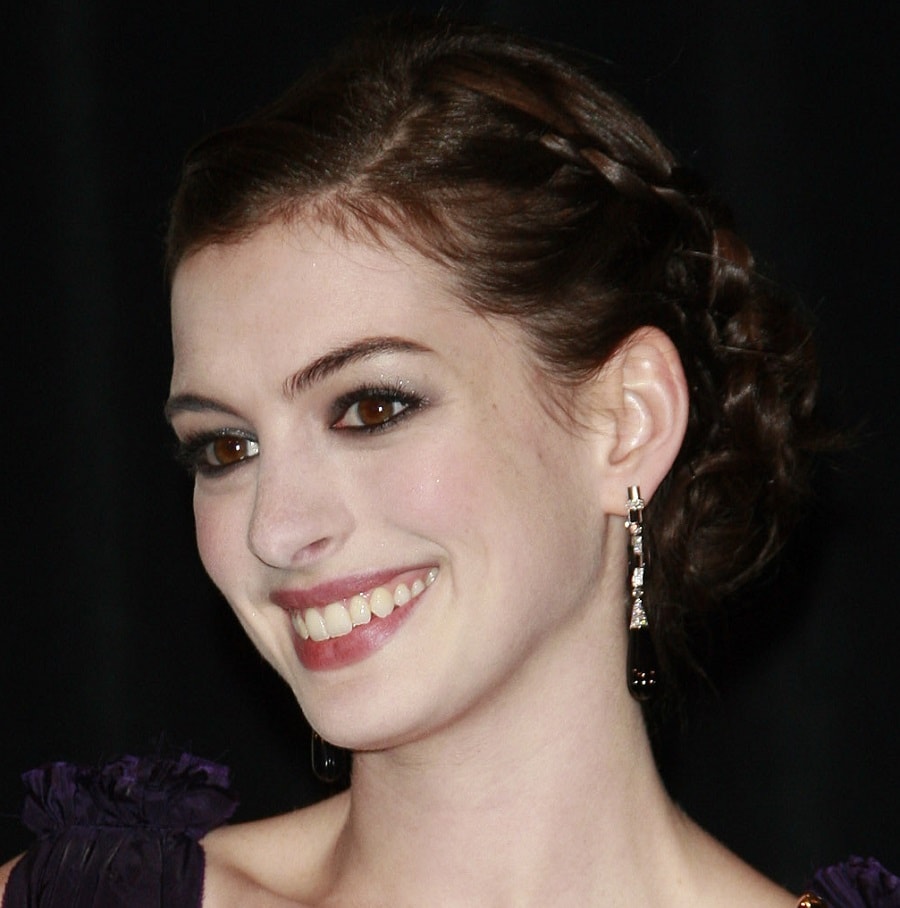
This scrutiny is part of a larger cultural shift known as the “undetectable era” of plastic surgery. As procedures become more advanced, the line between natural aging and cosmetic intervention has blurred. This development has created a paradox: while it encourages more moderate, natural-looking enhancements, it has simultaneously increased skepticism toward public figures, leading audiences to closely analyze and scrutinize features that may simply be the result of styling, lighting, or natural variation.
Potential Future Implications
As the “undetectable era” continues to influence beauty standards, public figures will face increasing pressure to disclose or explain their appearance. Analysts might expect that celebrities will continue to balance the desire for personal privacy with the need to manage public narratives when speculation becomes overwhelming. As medical professionals continue to speak out against risky DIY beauty trends, we may see a decline in the popularity of hair-based lifting techniques as the long-term dermatological risks become more widely understood.
Frequently Asked Questions
Is Anne Hathaway’s braiding trick a substitute for plastic surgery?
No. Medical experts emphasize that the technique is a temporary styling hack that pulls the skin back slightly but offers no long-term structural changes to the face.
What are the medical risks of using tight braids to pull back facial skin?
Dermatologists warn that this practice can lead to traction alopecia, which involves hair breakage, hair loss, scarring, and fibrosis due to the constant tension placed on the scalp.
Did Anne Hathaway use the video to definitively prove she has never had a face-lift?
No. Hathaway clarified that the video was not a “pointed” denial of surgery. She noted that she simply wanted to address the loud speculation and added that she might still consider a face-lift in the future.
How do you think the rise of the “undetectable era” of beauty has changed the way we perceive the natural aging process in public figures?