

Anthropic v. OpenAI: Behind the bitter battle for the future of AI
Anthropic and OpenAI are currently engaged in a race to go public, a competition that has shaped the trajectory of the generative AI industry since late 2022. While OpenAI previously targeted an IPO as early as September, Anthropic filed confidentially with U.S. regulators on June 1, followed by OpenAI one week later. This rivalry, driven by CEOs Sam Altman and Dario Amodei, extends to their financial reporting methods and development priorities, forcing Wall Street banks to implement internal barriers to manage the conflicting interests of both clients.
The intense competition between the two firms reportedly began in late 2022, when OpenAI accelerated the development of ChatGPT—now the fastest-growing consumer application in history—after learning that Anthropic was working on a competing chatbot.
Why the IPO Race Matters
The race to the public market is not merely about capital; it is a strategic effort to establish the industry standard for AI valuation and financial reporting. According to analysts at D. A. Davidson, the first company to list will likely set the agenda for how frontier AI models report financials. The two firms currently use different accounting methods: Anthropic recognizes gross revenue, while OpenAI reports net revenue after partner payouts. OpenAI has internally criticized Anthropic’s method as inflated, though Anthropic maintains it follows established practices for companies acting as the “principal” in transactions.
The friction between these companies mirrors historical tech rivalries, such as the competition between Steve Jobs and Bill Gates. By forcing banks to compartmentalize deal teams, the race highlights the unprecedented scale of these IPOs and the pressure on leadership to maintain market dominance while managing investor expectations under a compressed timeline.
The Roots of the Executive Feud
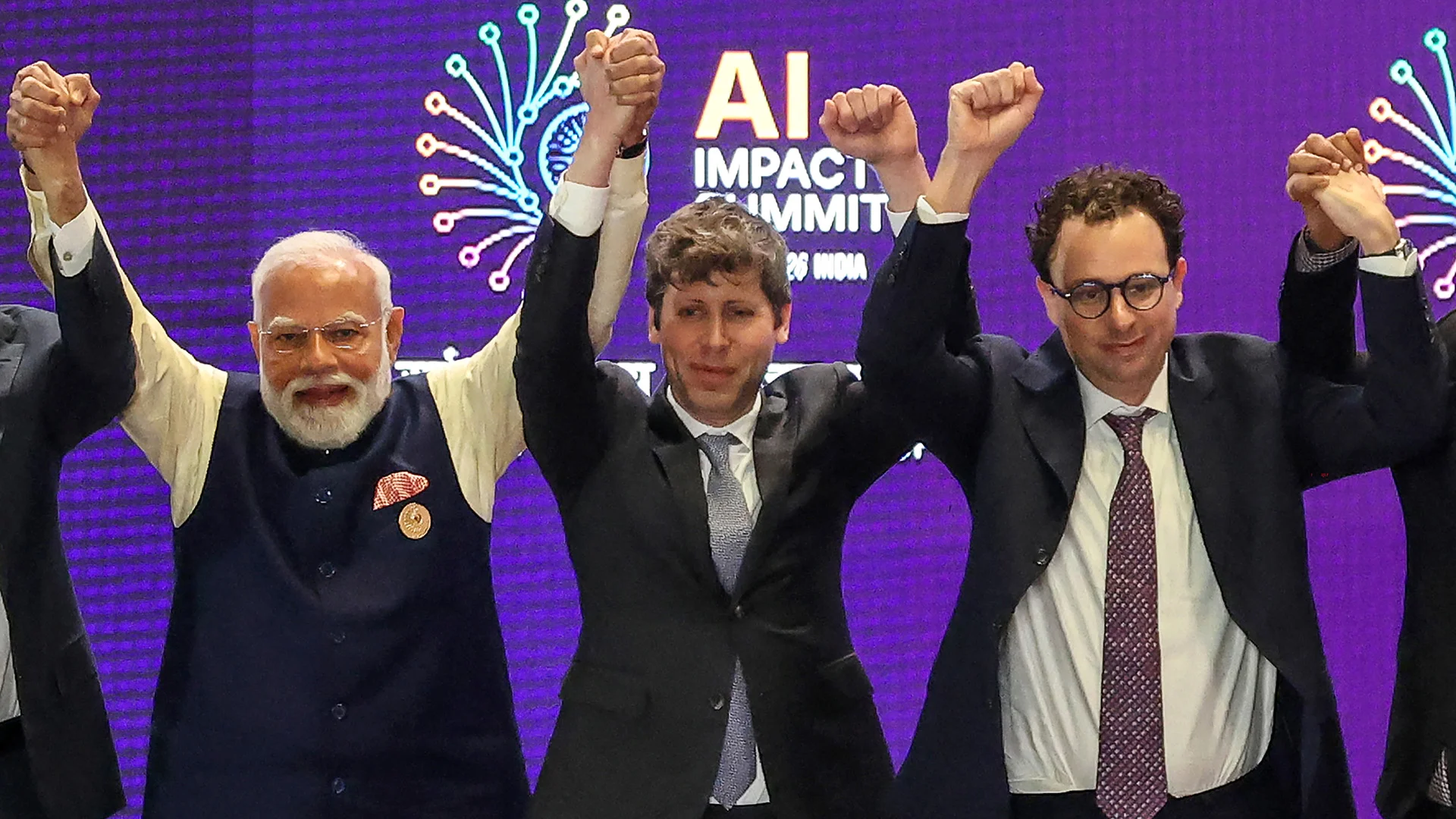
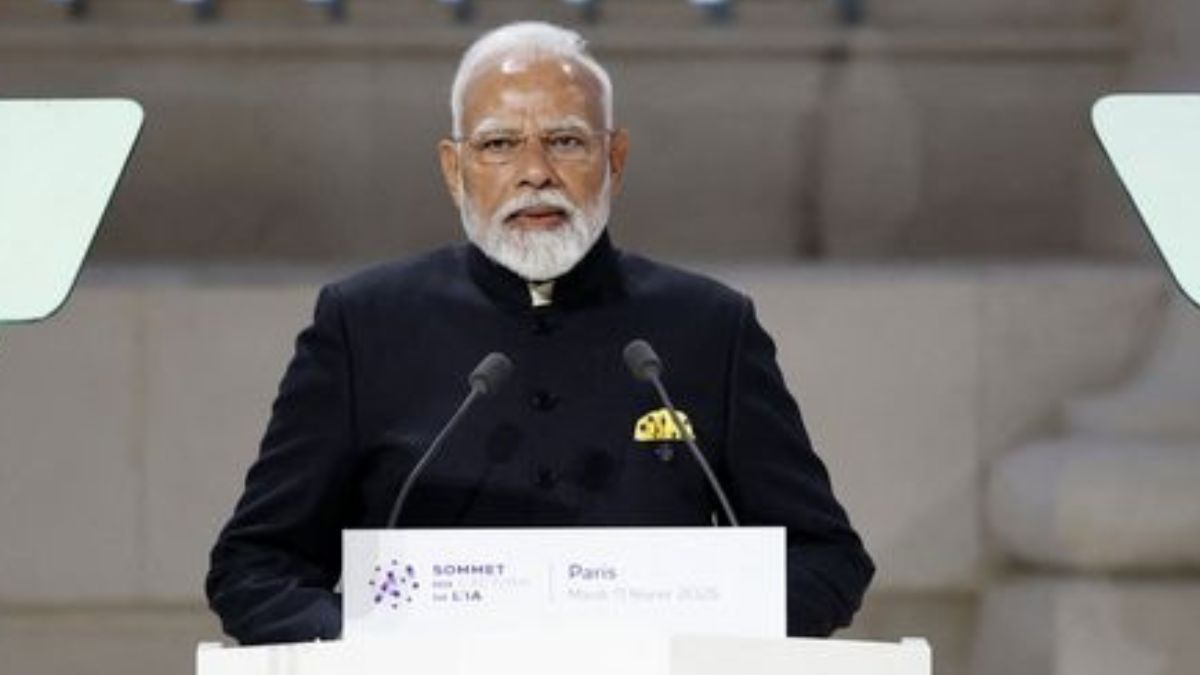
The tension between Sam Altman and Dario Amodei dates back to 2020, when Amodei left his role as vice president of research at OpenAI to found Anthropic. The relationship further deteriorated following the brief, unexpected firing of Altman by OpenAI’s board in late 2023. During that period, directors reportedly considered merging the two labs under Amodei’s leadership, a proposal that reportedly infuriated OpenAI staff. Public displays of this rivalry have since become common, including a notable moment at an AI summit in India where both CEOs declined a request from Prime Minister Narendra Modi to join hands in a show of unity.
What May Happen Next
As both companies prepare for their respective market debuts, analysts expect the competitive pressure to continue dictating product release cycles. Because the companies are now pivoting toward similar segments—with OpenAI increasing its focus on enterprise software and Anthropic expanding its reasoning models—future releases could see even tighter release windows. Should market conditions change, the timeline for these IPOs remains subject to the internal alignment of leadership, as evidenced by recent reported debates between OpenAI’s CEO and its Chief Financial Officer regarding the feasibility of their current schedule.
Frequently Asked Questions
What is the primary disagreement regarding financial reporting?
OpenAI contends that Anthropic’s accounting method, which books the full amount paid by customers as revenue, overstates its financials. Anthropic argues it follows established practices because it acts as the principal in its transactions.

How are Wall Street firms managing the rivalry?
Because both companies are seeking help from the same banks, some institutions have established internal barriers between their deal teams to prevent information leaks regarding the rivals’ respective IPO plans.
What is the current status of the IPO filings?
Anthropic made a confidential filing with U.S. regulators on June 1, while OpenAI followed with its own filing one week later.
Which of these two AI companies do you believe is better positioned to define the future of the industry?