
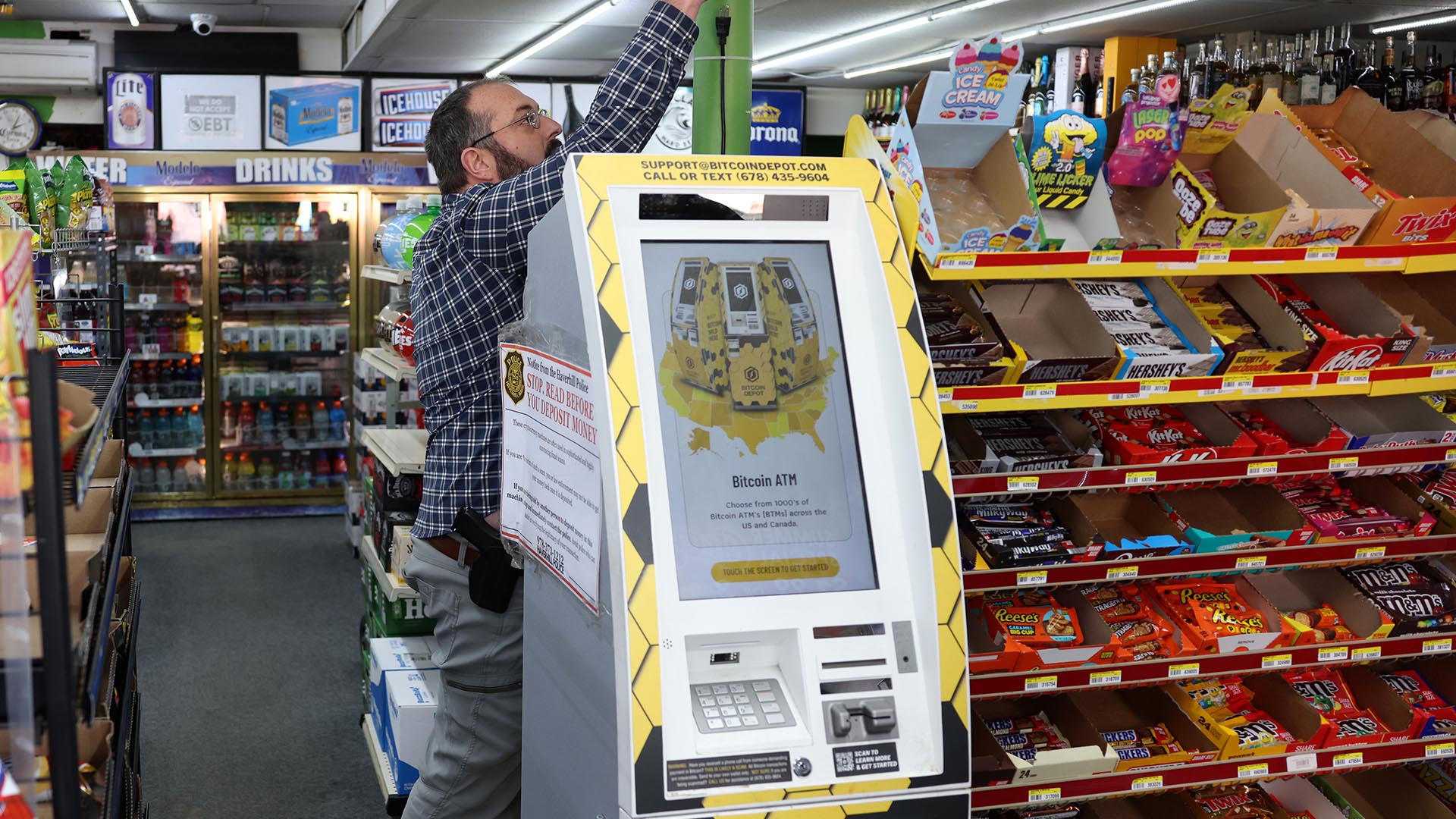
Bitcoin Depot Files for Bankruptcy Amid Crushing Regulatory Scrutiny
Bitcoin Depot, the former largest operator of cryptocurrency ATMs, filed for bankruptcy on Sunday, marking a significant downturn for an industry facing ongoing scrutiny over fraud allegations. The company, which operated 9,700 kiosks nationwide, announced it would shut down its network, citing “increasingly stringent compliance obligations” and regulatory restrictions as unsustainable. CEO Alex Holmes stated the decision followed “outright restrictions or bans” on crypto ATMs in certain jurisdictions.
Local and state governments have increasingly targeted crypto ATMs, which enable cash-to-cryptocurrency exchanges, due to concerns about their use in scams. In 2025, the FBI reported $389 million in losses from scams involving the machines, which can rapidly move funds overseas. Regulators have opened investigations into operators, including Bitcoin Depot, for failing to prevent fraudulent transactions.
Why it matters
The bankruptcy underscores the growing regulatory pressure on crypto ATMs, which have been linked to widespread fraud. Bitcoin Depot faced multiple legal challenges, including a Massachusetts attorney general lawsuit alleging most of its revenue came from scams. The company also settled enforcement actions in Nevada and Maine, paid fines, and faced a $19 million arbitration award related to a Canadian subsidiary. These actions contributed to a nearly 50% quarterly revenue drop in March, according to SEC filings.

The firm’s decision to implement stricter “know your customer” protocols in February aimed to curb scam activity but likely exacerbated financial strain. Legal fees and compliance costs accumulated, with bankruptcy filings revealing millions in expenses. A 2025 investigation found $1.5 million in scam transactions through Bitcoin Depot machines at Circle K stores, despite the gas station chain’s awareness of the issue.
What may happen next
Bitcoin Depot’s bankruptcy could trigger further legal actions, as the company faces multiple lawsuits over alleged failure to prevent scams. Regulators may use the case to justify broader restrictions on crypto ATMs, while other operators could face similar scrutiny. The outcome might influence how states balance cryptocurrency innovation with consumer protection, though the exact trajectory remains uncertain.
Did You Know? A 2025 investigation found at least $1.5 million in scam transactions passed through Bitcoin Depot machines at Circle K stores, despite the gas station chain’s awareness of the issue.
Expert Insight: The collapse of Bitcoin Depot highlights the tension between regulatory oversight and the rapid growth of cryptocurrency infrastructure. As governments tighten controls, businesses in the sector must navigate complex compliance demands, which could reshape the industry’s landscape in the coming years.
Frequently Asked Questions
What led to Bitcoin Depot’s bankruptcy? The company cited “increasingly stringent compliance obligations” and regulatory restrictions as unsustainable, alongside a 50% quarterly revenue drop driven by state-level ATM bans and enhanced anti-fraud measures.

How did Circle K factor into the controversy? A 2025 investigation revealed $1.5 million in scam transactions through Bitcoin Depot machines at Circle K locations, despite the chain’s awareness of the issue. Bitcoin Depot paid rental fees to Circle K while profiting from transactions.
What legal challenges did Bitcoin Depot face? The company was sued by the Massachusetts attorney general, faced a $19 million arbitration award, and settled enforcement actions in Nevada and Maine. It also dealt with investigations from Missouri and Connecticut over anti-money laundering lapses.
How might this case influence future crypto regulations? Analysts suggest it could accelerate stricter oversight of cryptocurrency transactions, but the exact impact depends on how regulators balance innovation with fraud prevention.