

Anti-Immigration Riots Rock Belfast After Brutal Stabbing
Anti-immigration riots in Belfast and other UK cities, sparked by a stabbing involving a Sudanese refugee, highlight a growing trend of digitally coordinated civil unrest. According to the Police Service of Northern Ireland (PSNI) and UK officials, the use of social media to share private addresses and incite “manhunts” is escalating physical violence against migrant communities.
Why is social media accelerating urban unrest?
Digital platforms now act as primary catalysts for physical violence. In Belfast, the PSNI reported that lists of private addresses were shared via messaging apps, accompanied by threats and insults. Police officials described this activity as “absolutely unacceptable” and a direct risk to human lives.
The acceleration is often driven by high-profile amplification. According to reports, Elon Musk reposted content from right-wing activist Tommy Robinson on X, encouraging supporters to take to the streets. This digital pipeline transforms isolated criminal incidents into political flashpoints within hours.
How are governments responding to coordinated “manhunts”?
State responses are shifting toward rapid deployment and emergency legislation. In Belfast, Police Chief Jon Boutcher ordered 200 additional officers to support local forces. Authorities utilized water cannons to disperse masked protesters at the Sandyknowes intersection, as reported by Sky News.
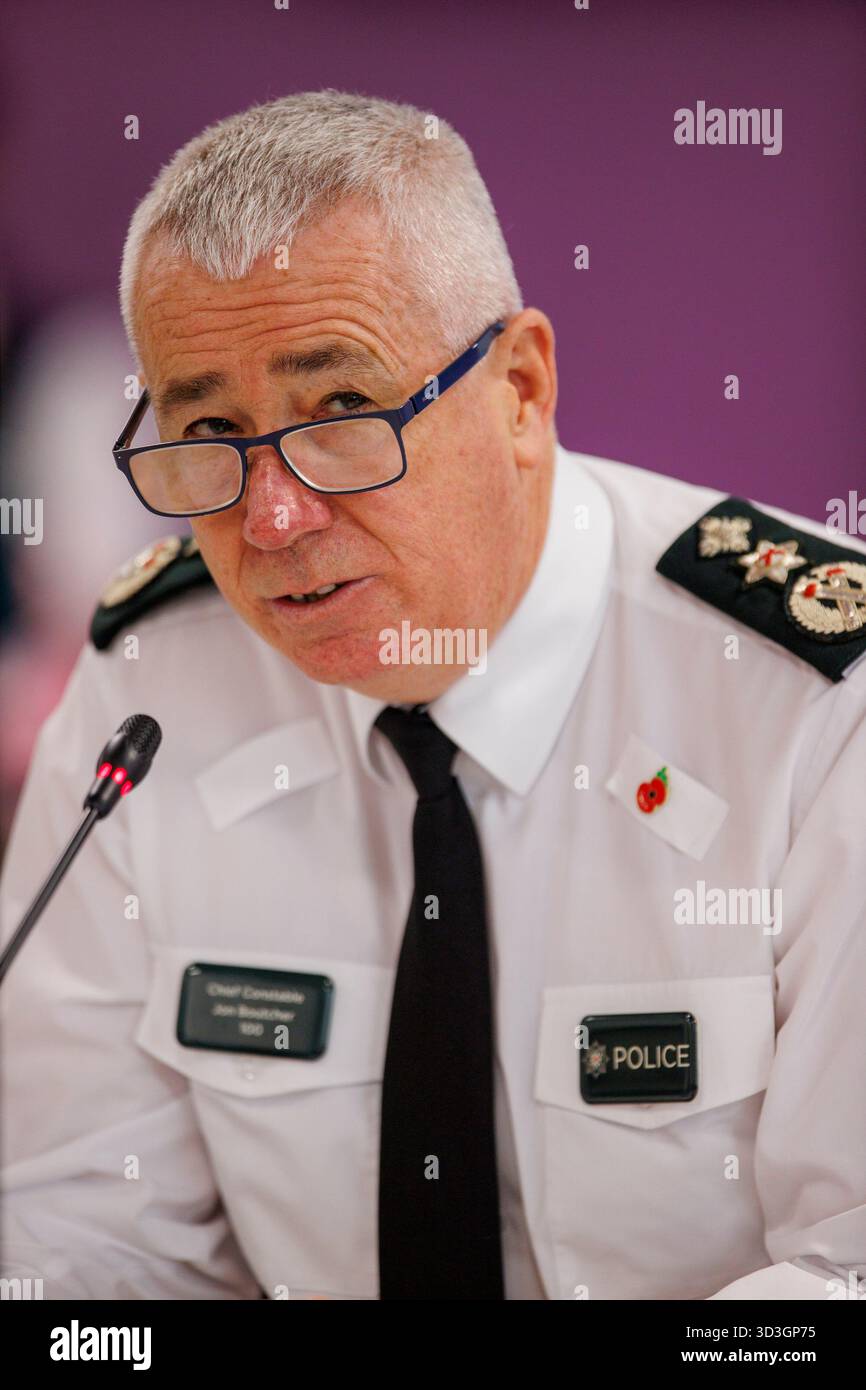
Political leaders are framing these events as criminal rather than political. Premier Michelle O’Neill labeled the attackers “thugs” and “cowards,” while UK Prime Minister Keir Starmer stated the disorders were “shocking and totally unacceptable.” Starmer emphasized that those targeting people based on their origin would face the “full force of the law.”
The cost of civil disruption
The immediate impact is often the paralysis of urban infrastructure. Translink, the local transport provider, suspended bus and train services across Belfast to prevent further clashes. Similar disruptions occurred in Dublin, where the Green Line railway was closed due to crowds gathering on O’Connell Street.
What role does “digital dehumanization” play in global trends?
The unrest in the UK mirrors a broader global pattern where specific groups are stripped of their individuality to justify violence. Volker Turk, the UN High Commissioner for Human Rights, described the dehumanization of migrant groups as “weakly contemptible.”
Turk argued that platform managers must take responsibility for the “hate speech and incitement to violence” that polarizes societies. This trend suggests that future unrest will likely be characterized by “targeted” violence—using data-scraping or leaked addresses to attack families in their homes rather than general street protests.
Will these tensions spread beyond Northern Ireland?
The Belfast riots are not isolated. The BBC reported similar activity in Scotland, with masked protesters gathering in Glasgow and marching through Edinburgh’s Princes Street. In England, demonstrators targeted a hotel in Southampton that previously housed asylum seekers.
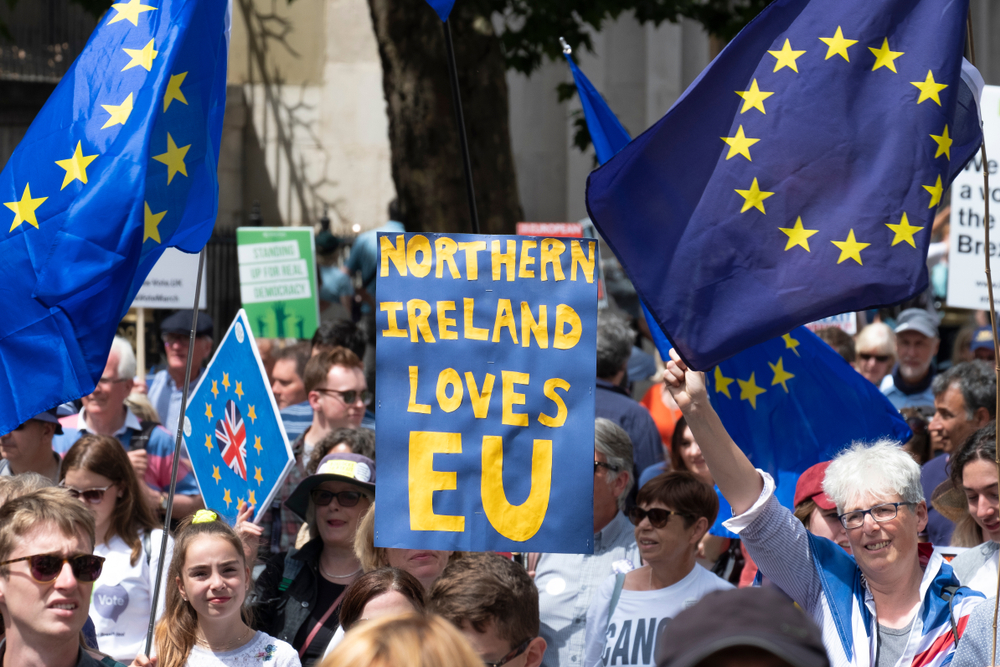
The contrast in framing is stark. While “patriotic” groups on X call for protests against “mass immigration,” the victims’ families and government officials frame the events as “thuggery” and “sectarianism.” This divide suggests a future of increased polarization where the same event is viewed as either a “defense of the community” or a “pogrom,” depending on the information source.
Frequently Asked Questions
What triggered the protests in Belfast?
The violence followed a stabbing attack on a 40-year-old man by a 30-year-old Sudanese refugee. The suspect has been charged with attempted murder and possession of a knife.
Are the attacks linked to terrorism?
According to Northern Ireland authorities, they tend to exclude the possibility that the stabbing was an act of terrorism, though the aftermath has taken on a political dimension.
Which cities besides Belfast saw protests?
Protests were reported in Glasgow, Edinburgh, Southampton, and Dublin, according to the BBC and local reports.
Stay informed on global security trends. Do you think social media platforms should be legally liable for inciting real-world violence? Let us know in the comments below or subscribe to our newsletter for deep-dive analysis.