
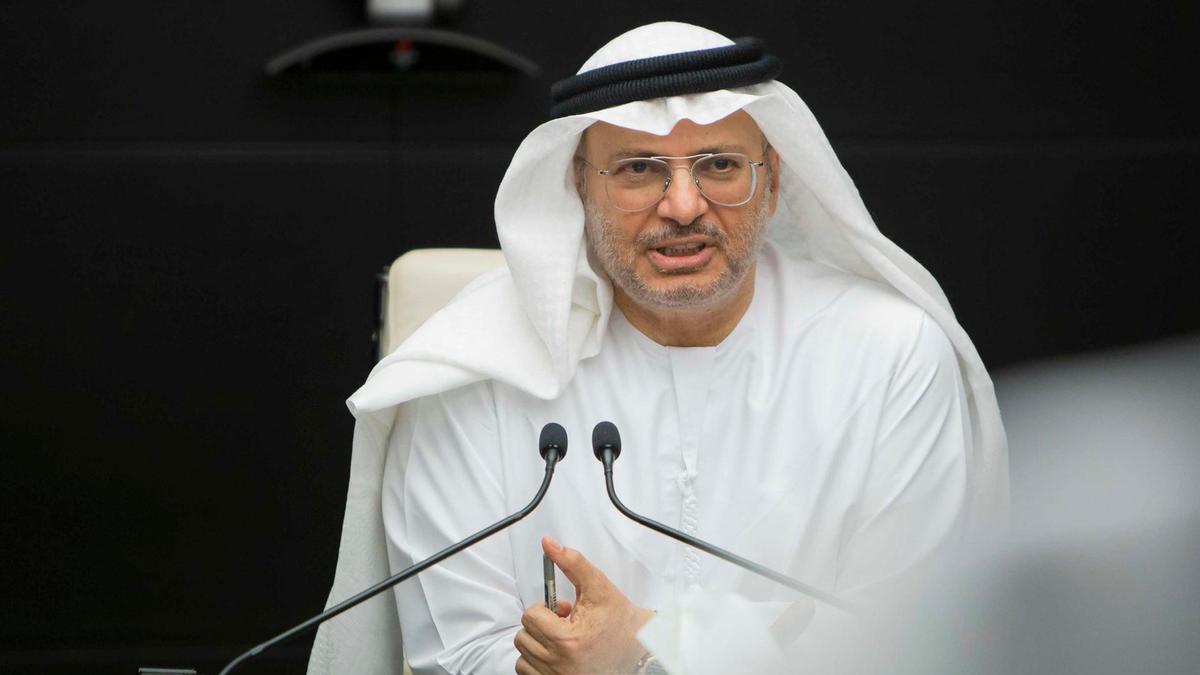
Anwar Gargash: UAE Remains Committed to Peace Amid US-Iran Agreement Developments
The United Arab Emirates is closely monitoring the anticipated agreement between Washington and Tehran, which officials suggest may signal an end to regional hostilities. Dr. Anwar bin Mohammed Gargash, Diplomatic Advisor to the UAE President, stated that the potential deal could successfully open a new political path in the region. According to Gargash, the UAE’s leadership has navigated the crisis by balancing firm stances with necessary flexibility.
Significance of the Potential Agreement
The potential deal between the United States and Iran is viewed by UAE officials as a development that could effectively close a chapter of regional conflict. By transitioning from a state of war to a political process, the agreement represents a shift in the diplomatic landscape. Gargash emphasized that the UAE has consistently maintained a position of seeking peace and stability rather than advocating for war.
Future Implications and Regional Stability
The long-term success of this diplomatic path remains a primary focus for the UAE. While the agreement is described as “anticipated,” its potential to foster stability depends on the successful implementation of the political track it aims to create. Gargash reiterated that the UAE remains committed to defending its homeland and protecting its sovereignty and interests throughout this transition.
Frequently Asked Questions
What is the UAE’s stance on the Washington-Tehran deal?
According to Dr. Anwar bin Mohammed Gargash, the UAE views the agreement as a way to end the current page of war and initiate a successful political path.
How has the UAE managed the regional crisis?
The UAE leadership utilized a strategy that combined wisdom and firm positioning with flexibility when the situation required it, according to Dr. Gargash.
What is the UAE’s primary priority regarding foreign policy?
The UAE maintains that it is not a proponent of war and remains committed to peace and stability, while ensuring the defense of its sovereignty and national interests.
How do you think this diplomatic development will influence regional security over the next year?