
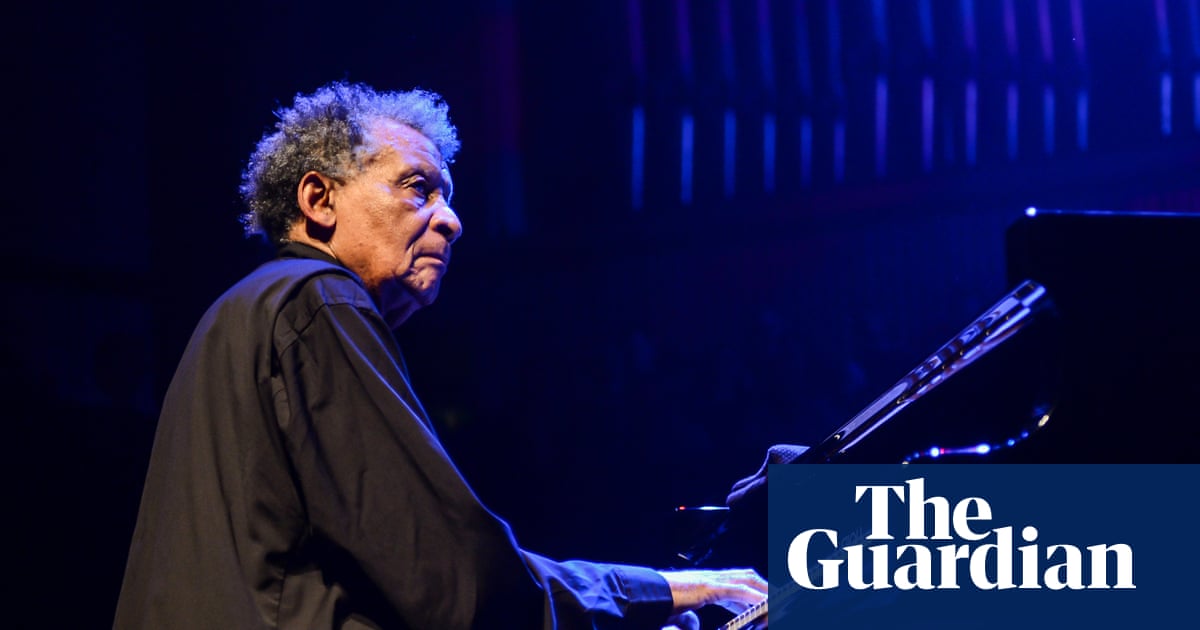
South African Jazz Legend Abdullah Ibrahim Dies at 91
Abdullah Ibrahim, the South African jazz composer and pianist, died in Germany at the age of 91 after a short illness. His family announced the death in a statement released Monday, confirming that Ibrahim passed away peacefully. He is recognized for his role as a “cultural freedom fighter” and for composing the anti-apartheid anthem “Mannenberg.”
His partner, Dr. Marina Umari, wrote that Ibrahim’s love for South Africa “never wavered, no matter where in the world he found himself.”
How did Abdullah Ibrahim influence jazz and anti-apartheid efforts?
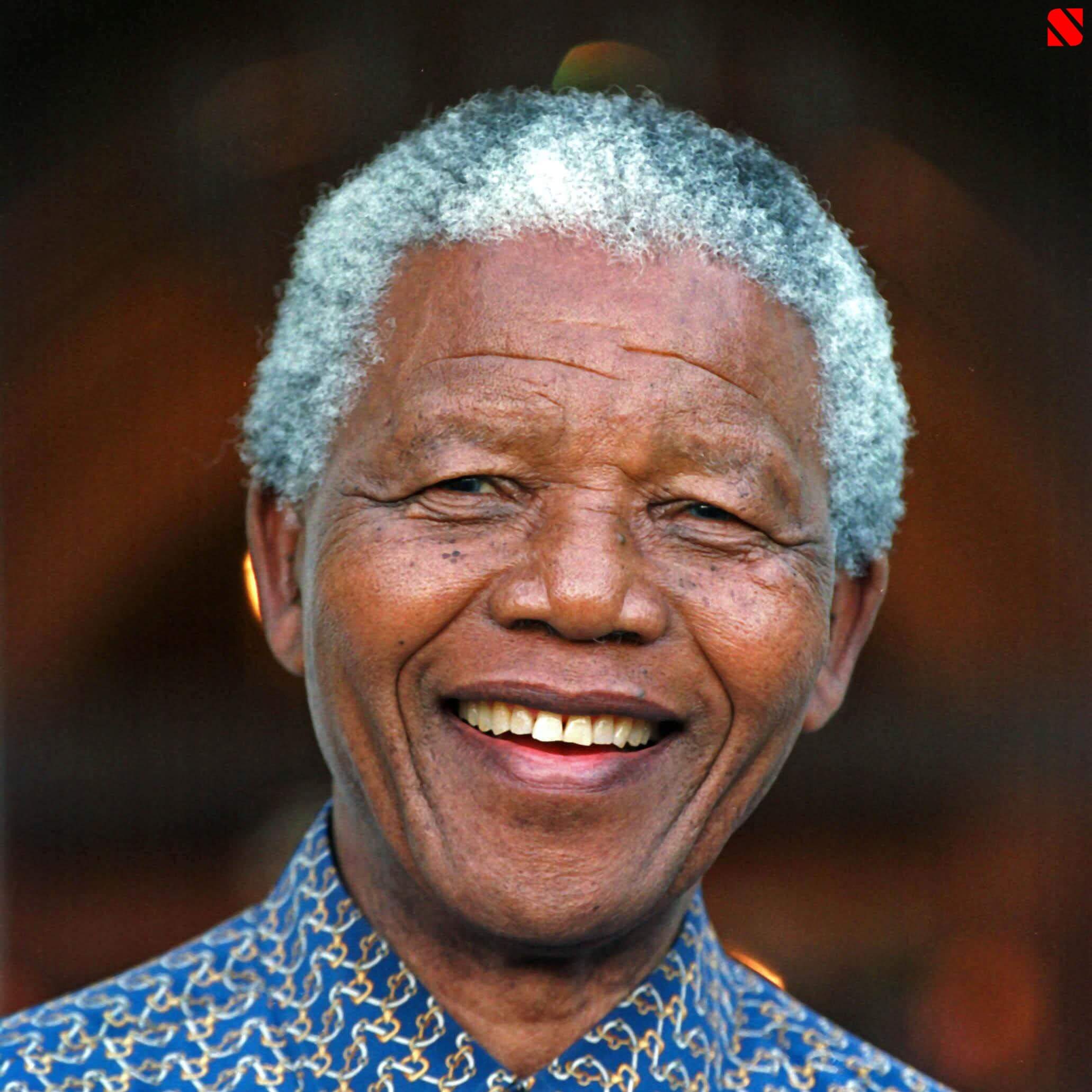
Ibrahim’s most recognized piece, “Mannenberg,” was recorded in 1974 and served as a major anti-apartheid anthem. The song reportedly inspired Nelson Mandela during his time in prison.
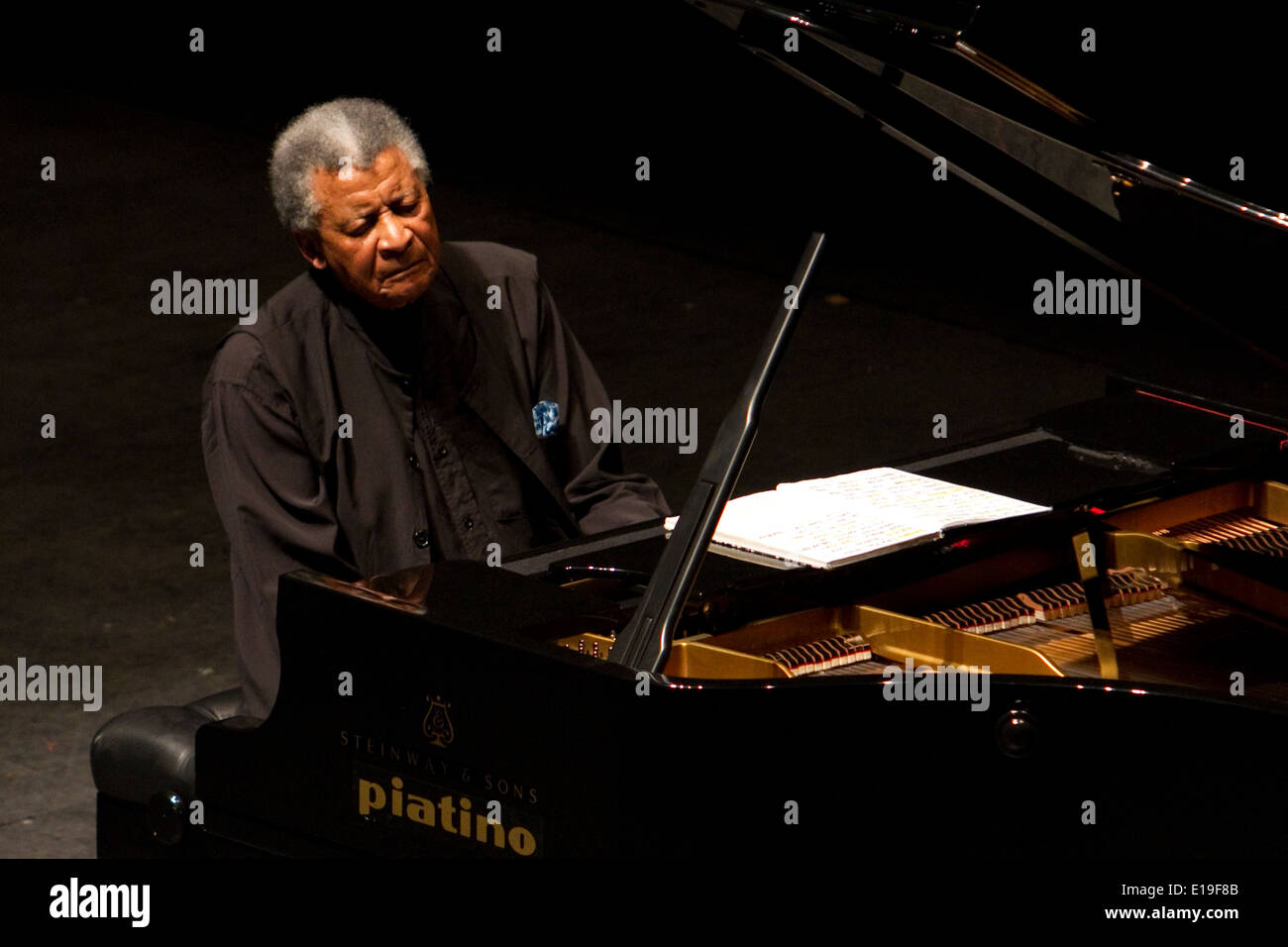
In 2017, Ibrahim stated that the apartheid system was “totally against the brain of everything,” noting that the government sought to prevent people from both recording music and thinking. While the music of his early group, the Jazz Epistles, was not explicitly political, the members were still targeted by the government.
The Guardian’s John Fordham wrote that Ibrahim created “some of the most vividly beautiful themes to emerge from his culture’s special chemistry of African vocalised phrasing.”
What were the milestones of Ibrahim’s musical career?
Born in Cape Town as Adolph Johannes Brand, Ibrahim began composing music at age seven and made his professional debut at 15. Performing under the name Dollar Brand, he became an esteemed figure in local jazz circles during the 1950s.
Ibrahim moved to Europe in the 1960s and later to New York in 1965. During this time, he recorded with Duke Ellington, whom Ibrahim described in 2024 as a “bulwark” and a “wise old man in the village” for many musicians.
He converted to Islam in 1968 and changed his name to Abdullah Ibrahim. Over his career, he recorded more than 70 albums, with his most recent release arriving in 2023. His work also extended to film, providing soundtracks for Claire Denis’ dramas No Fear, No Die and Chocolat.
What happens next for Ibrahim’s musical legacy?
The music community may continue to analyze Ibrahim’s influence through his catalog of 70 albums. Future retrospectives are likely to focus on his ability to blend African phrasing with jazz, as highlighted by John Fordham.
Given his history of recording until 2023 and his final solo performance at the Cape Town international jazz festival in March, his recent works could provide new avenues for academic study. His awards, including the German Jazz Trophy and a South African music lifetime achievement award, may serve as benchmarks for future artists in the genre.
Frequently Asked Questions
When did the musician change his name to Abdullah Ibrahim?
He converted to Islam and changed his name in 1968.
Which famous political figure was inspired by the song “Mannenberg”?
The song reportedly inspired Nelson Mandela during his imprisonment.
What was Ibrahim’s professional debut age?
He made his professional debut at the age of 15.
How does the music of cultural freedom fighters continue to impact modern political movements?