
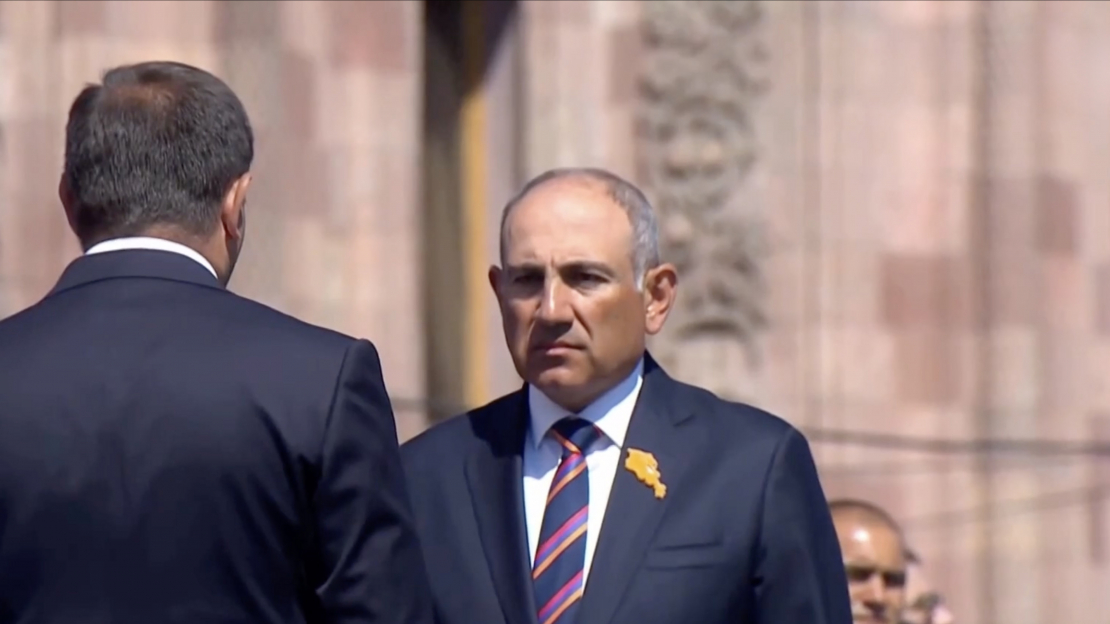
Armenia Elections: A Decisive Shift Away From Russia Toward the West
Armenia faces a pivotal moment this Sunday as it holds parliamentary elections that could determine the nation’s long-term geopolitical and economic trajectory. The vote will decide whether the country continues its pivot toward the West or returns to a closer relationship with Russia.
Prime Minister Nikol Pashinyan, who maintains a pro-European orientation, is seeking re-election amidst significant pressure from the Kremlin. Russia has responded to this shift by flooding the Armenian information space with disinformation and imposing import bans on Armenian tomatoes, cucumbers, and strawberries.
Economic Diversification and Trade Shifts
The economic relationship between Armenia and Russia is experiencing a sharp decline. According to data from the Statistical Committee of Armenia, trade turnover between the two nations decreased by more than 38% last year.
Conversely, Armenia has strengthened its economic ties with the West. Trade with European Union member states grew by 7.2% during the same period, signaling a conscious effort to end political, military, and economic dependence on Moscow.
Strategic Alliances and Regional Context
Armenia’s shift is supported by a strengthening partnership with the United States. U.S. Secretary of State Marco Rubio and Armenia’s Foreign Minister recently signed a strategic partnership agreement to bolster this cooperation.
This transition occurs as Russia loses influence across the region, having already lost Ukraine, Moldova, and Hungary, while Georgia continues to fight to maintain its Western direction. The normalization of relations between Armenia and Azerbaijan is also expected to smooth the path toward the European Union.
Future Scenarios and Political Outlook
Recent polling suggests a strong mandate for the current administration, with forecasts indicating that Prime Minister Pashinyan’s party could secure nearly 65% of voter support this Sunday.
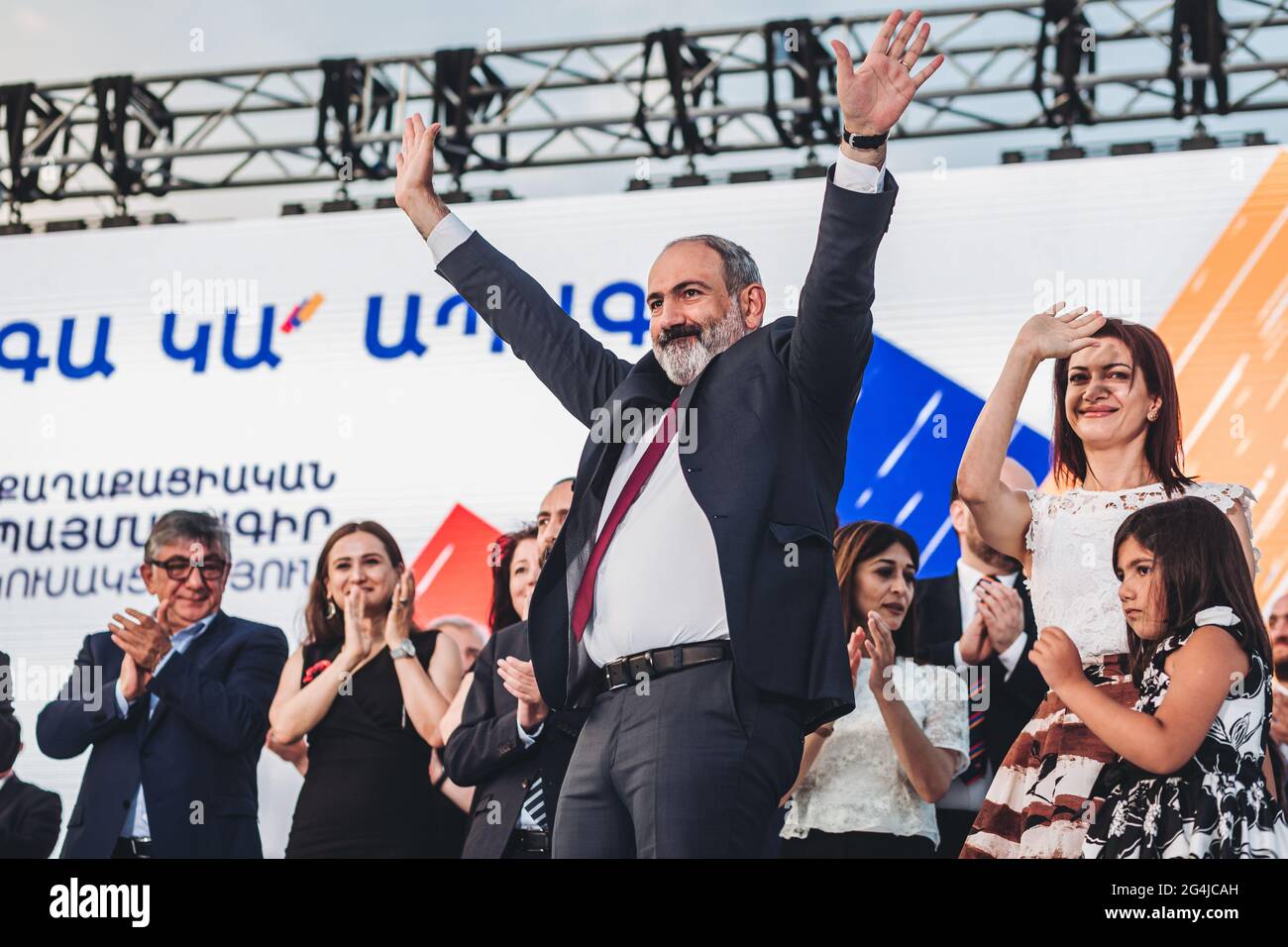
Regarding European Union membership, Pashinyan has described the prospect as currently theoretical. He has indicated that when the appropriate time arrives, the final choice between the two unions will be left to the people.
If the pro-European government is re-elected, Armenia may continue to distance itself from Russian influence. This could lead to further economic integration with the EU and a deeper strategic alignment with the United States.
Frequently Asked Questions
What economic sanctions has Russia imposed on Armenia?
Russia has banned the import of Armenian strawberries, cucumbers, and tomatoes.
What is the current status of Armenia’s potential EU membership?
Prime Minister Pashinyan has stated that membership is currently theoretical and the final decision will eventually be made by the people.
How has the U.S. Responded to Armenia’s strategic shift?
The U.S. Has solidified its support through a strategic partnership agreement signed between Secretary of State Marco Rubio and the Armenian Foreign Minister.
Do you believe economic diversification is the most effective way for small nations to gain political independence?