
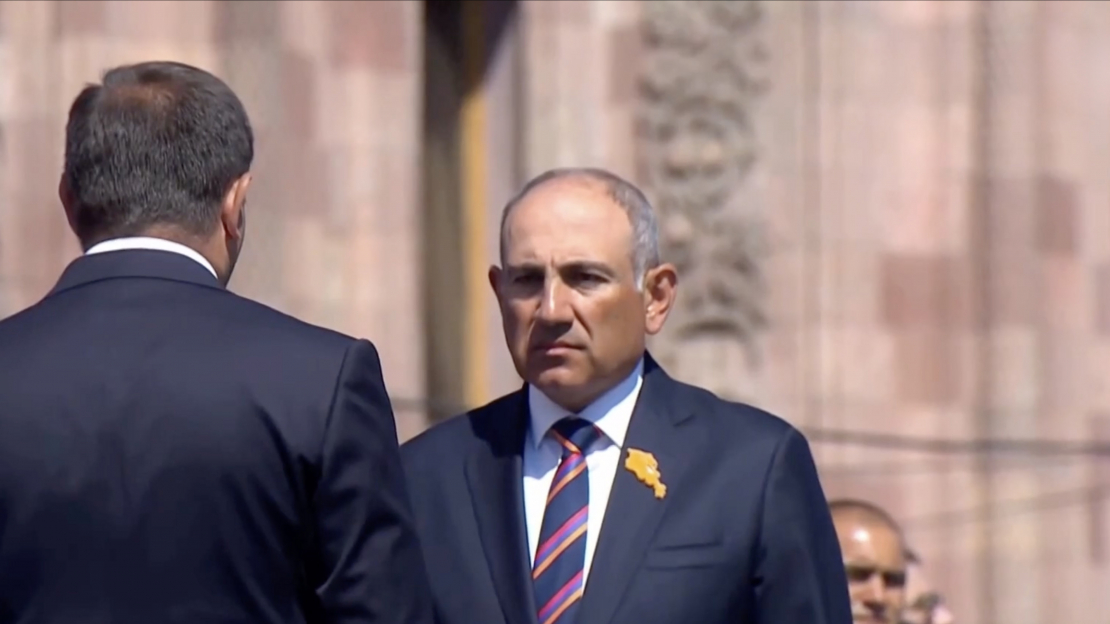
Armenia’s Pivot: Shifting from Russia Toward the West
The Great Pivot: Armenia’s High-Stakes Gamble Between East and West
For decades, the South Caucasus has been a chessboard for superpowers. But today, Armenia is no longer content being a pawn. The current political climate suggests a fundamental shift in the region’s architecture—a transition from historic reliance on Moscow toward a strategic embrace of the European Union and the United States.
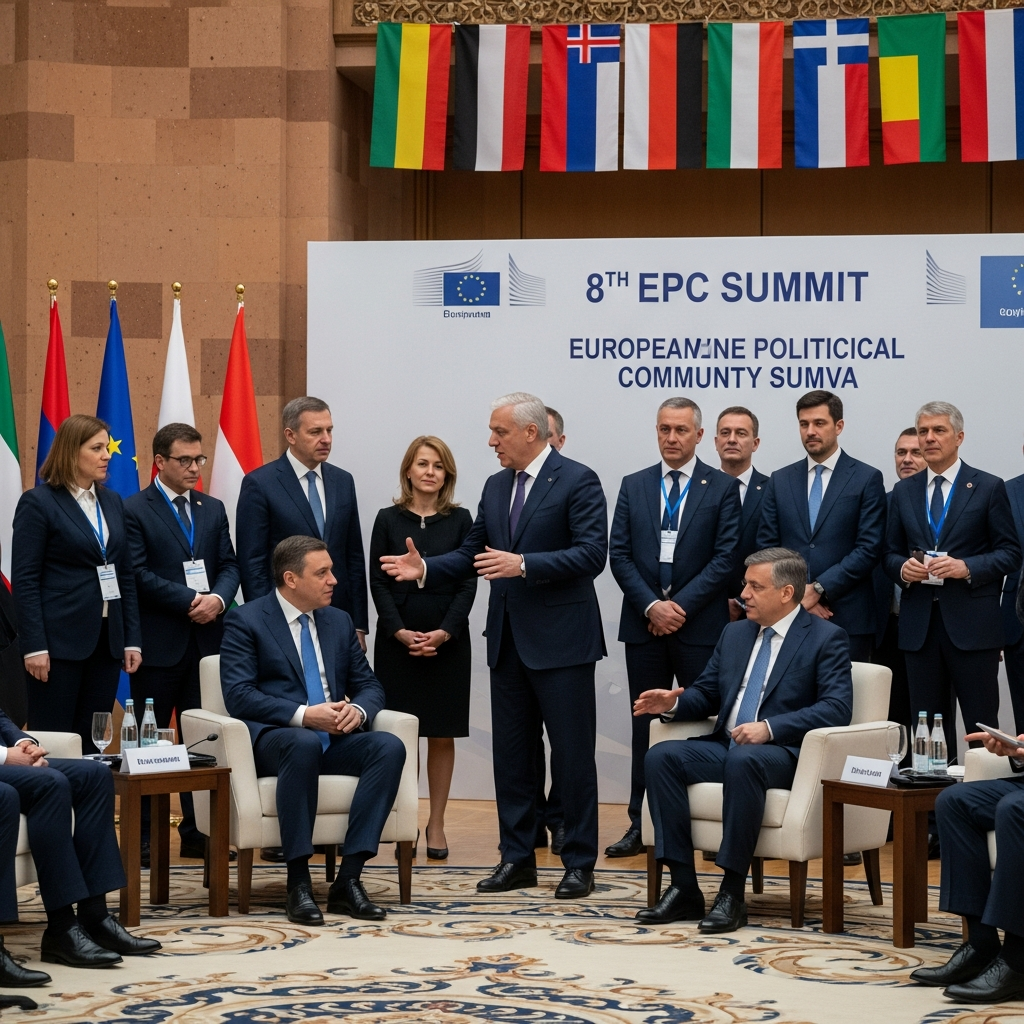
This isn’t just about a single election; It’s about a systemic “de-coupling.” When a nation decides to pivot its entire geopolitical orientation, the friction is inevitable. We are seeing this play out in real-time through trade wars, disinformation campaigns, and a bold reimagining of national security.
Hybrid Warfare: The Playbook of Economic Coercion
When diplomacy fails, hegemonic powers often turn to “hybrid” tools to maintain control. Armenia is currently a case study in this strategy. Rather than overt military intervention, the pressure is being applied through the stomach and the screen.

The recent bans on Armenian agricultural exports—specifically tomatoes, cucumbers, and strawberries—are classic examples of economic coercion. By targeting the agrarian sector, the goal is to create domestic unrest and paint the current pro-Western administration as a failure in the eyes of the rural population.
Parallel to these trade barriers is the flood of disinformation. The goal is simple: destabilize the narrative. By saturating the information space with doubt, external actors hope to sway the electorate toward a more “predictable” (read: compliant) leadership.
The Resilience of the “Civil Contract”
Despite these pressures, the pro-Western sentiment appears resilient. With polling suggesting support for Prime Minister Nikol Pashinyan’s party could reach as high as 65%, it’s clear that a significant portion of the population views the short-term economic pain as a necessary price for long-term sovereignty.
For more on how small nations navigate superpower tensions, see our analysis on geopolitical hedging strategies in the 21st century.
Strategic Diversification: Beyond the Russian Orbit
The shift toward the West is not merely ideological; it is a survival mechanism. The trauma of the 2023 exodus from Nagorno-Karabakh acted as a catalyst, exposing the limitations of traditional security guarantees from Moscow.
Armenia is now pursuing a policy of strategic diversification. This involves three key pillars:
- Diplomatic Realignment: Hosting European summits and engaging in high-level dialogue with Brussels.
- Security Partnerships: Moving toward strategic agreements with the U.S., as evidenced by the recent partnership pacts involving U.S. Leadership.
- Economic Pivot: Reducing dependency on a single market to avoid being held hostage by sudden trade bans.
Future Trends: What to Expect in the South Caucasus
As Armenia continues its westward lean, several long-term trends are likely to emerge. First, we will likely see a continued normalization of ties with Azerbaijan. This represents a pragmatic necessity; peace in the neighborhood is the only way to make the path to the EU viable.
Second, expect a surge in Western investment. As Armenia distances itself from the Kremlin, it becomes a more attractive hub for tech and energy projects that require the legal protections and stability associated with EU standards.
Finally, the “domino effect” remains a possibility. With Georgia already navigating a complex path toward the West and Moldova and Ukraine having firmly chosen their side, Armenia’s success or failure in this pivot will serve as a blueprint for other former Soviet republics.
For further reading on regional stability, check out the European External Action Service for official policy frameworks on the Eastern Partnership.
Frequently Asked Questions
Why is Russia using trade bans instead of one-on-one diplomacy?
Trade bans target the grassroots level. By hurting farmers and exporters, the Kremlin hopes to trigger an internal political backlash that forces the government to change course.
Is Armenia officially applying for EU membership?
While the government has kept the discussion “theoretical” to avoid immediate escalation with Moscow, the strategic movement—trade growth and diplomatic alignment—indicates a clear long-term ambition.
What role do the U.S. Strategic partnerships play?
The U.S. Provides a security and political counterweight. A strategic partnership with Washington gives Armenia the leverage it needs to negotiate from a position of strength rather than desperation.
What do you think? Can a small nation truly decouple from a neighboring superpower without facing devastating consequences, or is the risk necessary for true independence? Let us know your thoughts in the comments below or subscribe to our newsletter for deep dives into global power shifts.