

US and Iran Reach Preliminary Agreement to End War and Negotiate Nuclear Deal
President Donald Trump signed a protocol with Iran to end the Middle East war, according to a U.S. official speaking to AFP. The agreement mandates the dilution of enriched uranium in exchange for the lifting of sanctions and the facilitation of a $300 billion reconstruction fund, provided a final deal is reached within 60 days.
Will the Strait of Hormuz become a paid toll road?
Iran intends to charge service fees for ships crossing the Strait of Hormuz after a 60-day grace period. Chief negotiator Mohammad Bagher Ghalibaf told state television that the waterway “will not return to the pre-war situation” and asserted that Iran holds a sovereign right to collect these fees.
Under the current protocol, Iran will use “best efforts” to ensure the security of commercial vessels without charges for 60 days only. This window is intended to allow both nations to negotiate a final text. The blockade of Iranian ports, imposed by the U.S. on April 13, has already been lifted, according to Iranian state TV, which reported three tankers are currently in the Indian Ocean.
How will the $300 billion reconstruction fund work?
The U.S. will facilitate a fund of at least $300 billion for the economic development of the Islamic Republic of Iran if a final nuclear agreement is signed. A senior U.S. official told journalists that the U.S. and regional partners will develop a mutually agreed-upon plan for these funds.
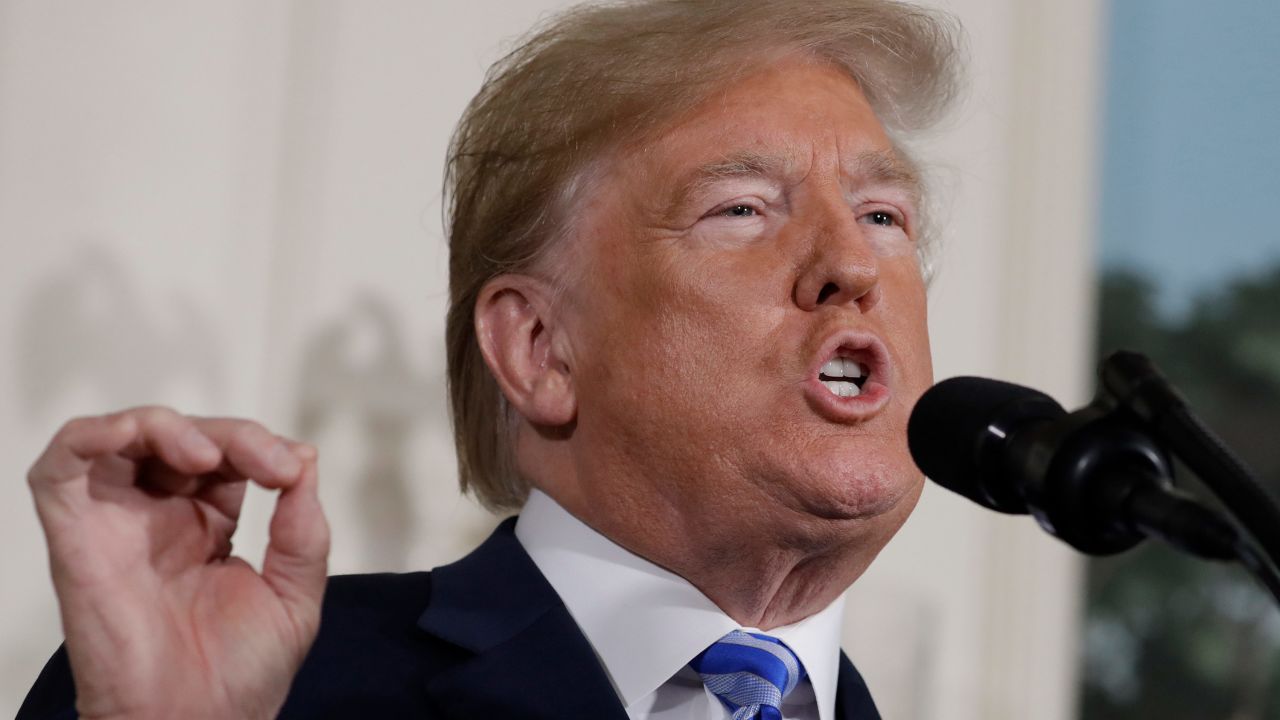
In exchange, Iran must dilute its stocks of enriched uranium. The U.S. official characterized this commitment as a “major victory.” Additionally, the protocol allows Iran to resume oil and fuel sales immediately upon the formal signing of the document.
JD Vance, the U.S. Vice President, told CNN that the current document is approximately “one and a half pages” and remains “very general.” The formal signing ceremony is scheduled for Friday near Lucerne, Switzerland, though Iranian Foreign Ministry spokesperson Esmaeil Baqaei noted that Tehran is considering having the presidents of both countries sign the deal instead of the negotiators.
Can a ceasefire hold in Lebanon and Gaza?
The agreement focuses on the U.S.-Iran relationship, but regional stability remains fragile. Israeli Prime Minister Benjamin Netanyahu stated that Israeli troops will remain in Lebanon, Syria, and Gaza “as long as necessary.” This contrasts with the hopes of Lebanese officials for a durable ceasefire.
Abbas Araghchi, Iran’s top diplomat, warned that there is a “history of unkept commitments” and emphasized the need to end the war between Israel and Hezbollah. The tension is evident: the Lebanese National Agency (Ani) reported four deaths from Israeli strikes in southern Lebanon on Tuesday, while Iran’s Khatam al-Anbiya command threatened a “severe response” if strikes continue.
Is the EU moving toward “technical diplomacy” with unrecognized regimes?
A separate trend in international diplomacy is emerging as the European Union engages with the Taliban. Belgian Foreign Minister Maxime Prévot confirmed that Belgium has received visa requests for a Taliban delegation visiting Brussels for discussions on migrant returns.
Prévot stated he personally disapproves of the European Commission’s invitation but cannot block it due to Belgium’s “seat policy,” which requires the country to facilitate meetings organized by EU institutions. The Commission maintains these meetings are “technical” and not official recognition of the Taliban government, which has been in power since 2021.
Diplomatic Framing: U.S. vs. Iran
The two sides characterize the protocol in starkly different terms:

- United States: A “major victory” centered on the reduction of nuclear capabilities (Uranium dilution).
- Iran: An “act of U.S. failure,” according to Mohammad Bagher Ghalibaf.
Frequently Asked Questions
When will the formal signing take place?
The ceremony is scheduled for Friday near Lucerne, Switzerland, involving JD Vance and Mohammad Bagher Ghalibaf, though presidential signatures are being discussed.
What happens to the sanctions?
The U.S. has committed to lifting sanctions in exchange for Iran diluting its enriched uranium stocks.
Will the Strait of Hormuz remain free?
Only for 60 days. After that, Iran intends to implement service fees for all passing vessels.
Is the $300 billion fund guaranteed?
No. The fund is contingent upon the successful negotiation of a “final agreement” within the 60-day window.
What do you think about the $300 billion reconstruction fund? Is it a fair trade for nuclear dilution? Let us know in the comments or subscribe to our newsletter for daily geopolitical updates.