
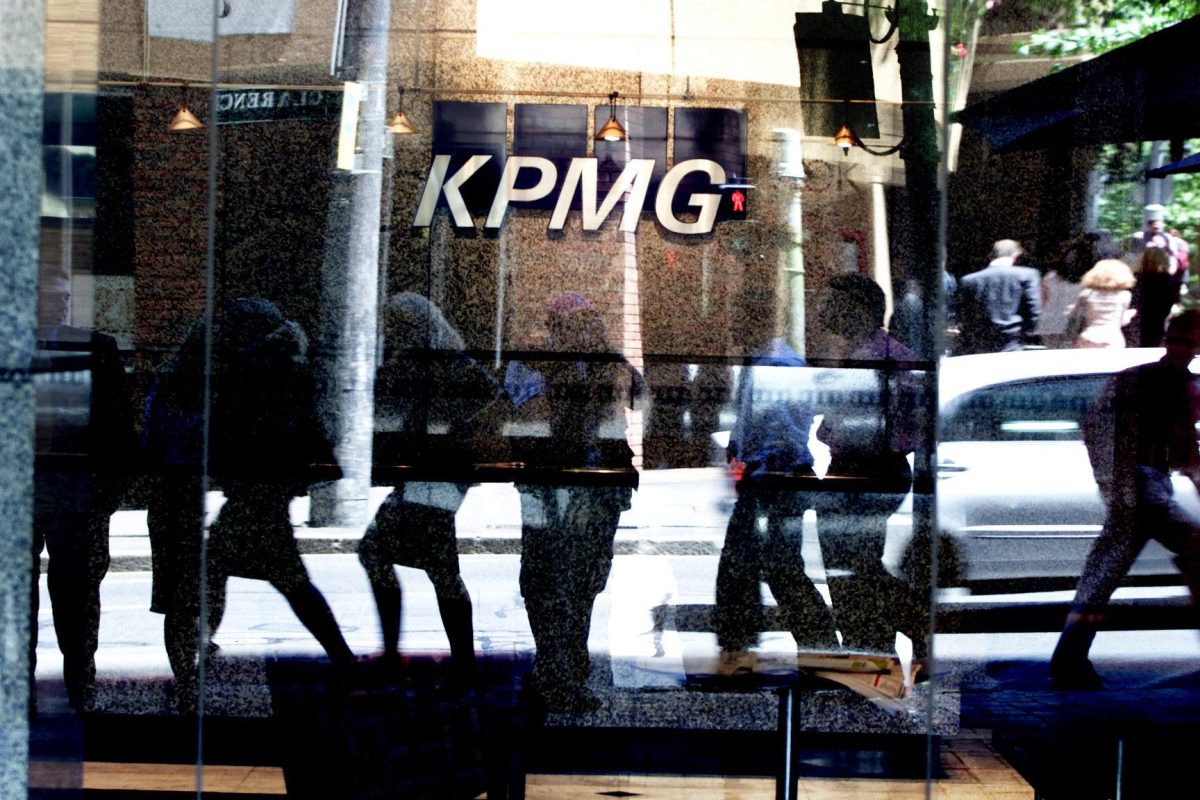
Ashurst Denies Investigating KPMG Australia Whistleblower Allegations
Ashurst, a city-headquartered law firm, has formally denied conducting an investigation into whistleblower allegations leveled against a former KPMG Australia executive. While KPMG had previously asserted that Ashurst was engaged to review the claims—and had found no wrongdoing—Ashurst partner Jane Harvey testified to an Australian parliamentary inquiry on Friday that the firm was never instructed to investigate those specific allegations.
Lendlease, an Australian property developer, is ending a 68-year relationship with KPMG as its auditor following allegations that the accounting firm misused confidential board papers to secure contracts with Westpac and Dexus.
The Discrepancy in Legal Oversight
The conflict centers on the nature of the engagement between the Big Four firm and its legal counsel. According to Jane Harvey, Ashurst was not engaged to undertake an investigation into the whistleblower’s May 2024 claims, nor did they conduct one. Paul Jenkins, global chief executive officer of Ashurst, clarified that the firm was hired to address an employment claim related to the broader allegations, rather than the substance of the claims themselves.
Australian Senator Deborah O’Neill, who chaired the inquiry, criticized KPMG’s characterization of these legal engagements. She accused the firm of attempting to shift responsibility onto Ashurst and the law firm Allens, both of which had been linked to internal reviews by KPMG management.
Samantha Carter notes that the tension between KPMG and its legal advisors highlights the high-stakes environment currently surrounding Australia’s major audit firms. The public distancing by Ashurst suggests that legal entities are increasingly wary of being associated with the governance failures currently being scrutinized by the Department of Finance.
Broader Consequences for KPMG Australia
The fallout from the scandal has resulted in significant operational and leadership shifts at the firm. KPMG Australia is currently prohibited from bidding on government contracts until September 2026 while the Department of Finance reviews its ethical standards and governance practices. These measures follow the immediate resignations of CEO Andrew Yates and the national managing partner of audit and assurance, Julian McPherson, at the end of May.
The firm also faces a loss of commercial confidence. Lendlease chair John Gillam described the alleged unauthorized use of confidential documents as a “fundamental breach of trust.” The loss of the Lendlease audit account, which reportedly generated AUD $10m in fees, serves as a measurable indicator of the reputational damage the firm is sustaining.
Future Outlook
As the parliamentary inquiry continues, the firm’s ability to retain remaining clients and restore its standing with the Australian government remains uncertain. The scheduled completion of Ashurst’s merger with US-based Perkins Coie on July 1, 2026, will create a $2.7bn legal entity, a move that observers expect will keep the firm focused on its global expansion despite the current controversy surrounding its past work for KPMG.
Frequently Asked Questions
Why is KPMG Australia banned from government contracts?
The firm is barred from bidding on government contracts until September 2026 while the Department of Finance investigates its governance and ethical standards following allegations of mishandled client information.
What was Ashurst’s role in the KPMG investigation?
Ashurst denied investigating the whistleblower’s claims. According to CEO Paul Jenkins, the firm was only engaged to handle an employment claim connected to the matter, not the allegations of wrongdoing themselves.
How did Lendlease respond to the allegations?
Lendlease, a long-term client, decided to drop KPMG as its auditor after allegations surfaced that the firm used the developer’s confidential board papers to win bids for other clients.
How might the ongoing parliamentary scrutiny influence the future of major audit firms operating in Australia?