
/data/photo/2026/06/03/6a1f6e0b62a98.jpg "Asus Pad Launched: Tandem OLED Android Tablet With Dimensity 8300")
Asus Pad Launched: Tandem OLED Android Tablet With Dimensity 8300
The Great Pivot: Why Tech Giants are Abandoning the Smartphone Race
For over a decade, the smartphone has been the center of the digital universe. But we are witnessing a seismic shift. When a powerhouse like Asus decides to step away from the Zenfone and ROG Phone lines to focus on AI, robotics, and specialized tablets, it isn’t just a corporate restructuring—it’s a signal that the “smartphone era” has peaked.
The market is saturated. Most consumers no longer feel the need to upgrade their handsets annually because the incremental gains in camera quality or processor speed have hit a plateau of diminishing returns. Instead, the industry is pivoting toward ambient computing and specialized hardware.
We are moving from a world where one device does everything mediocrely to a world where dedicated AI-driven tools do specific tasks exceptionally well. The transition toward commercial computing and robotics suggests that the real growth is no longer in the pockets of consumers, but in the infrastructure of businesses and the automation of physical spaces.
The Tandem OLED Revolution: Redefining Visual Longevity
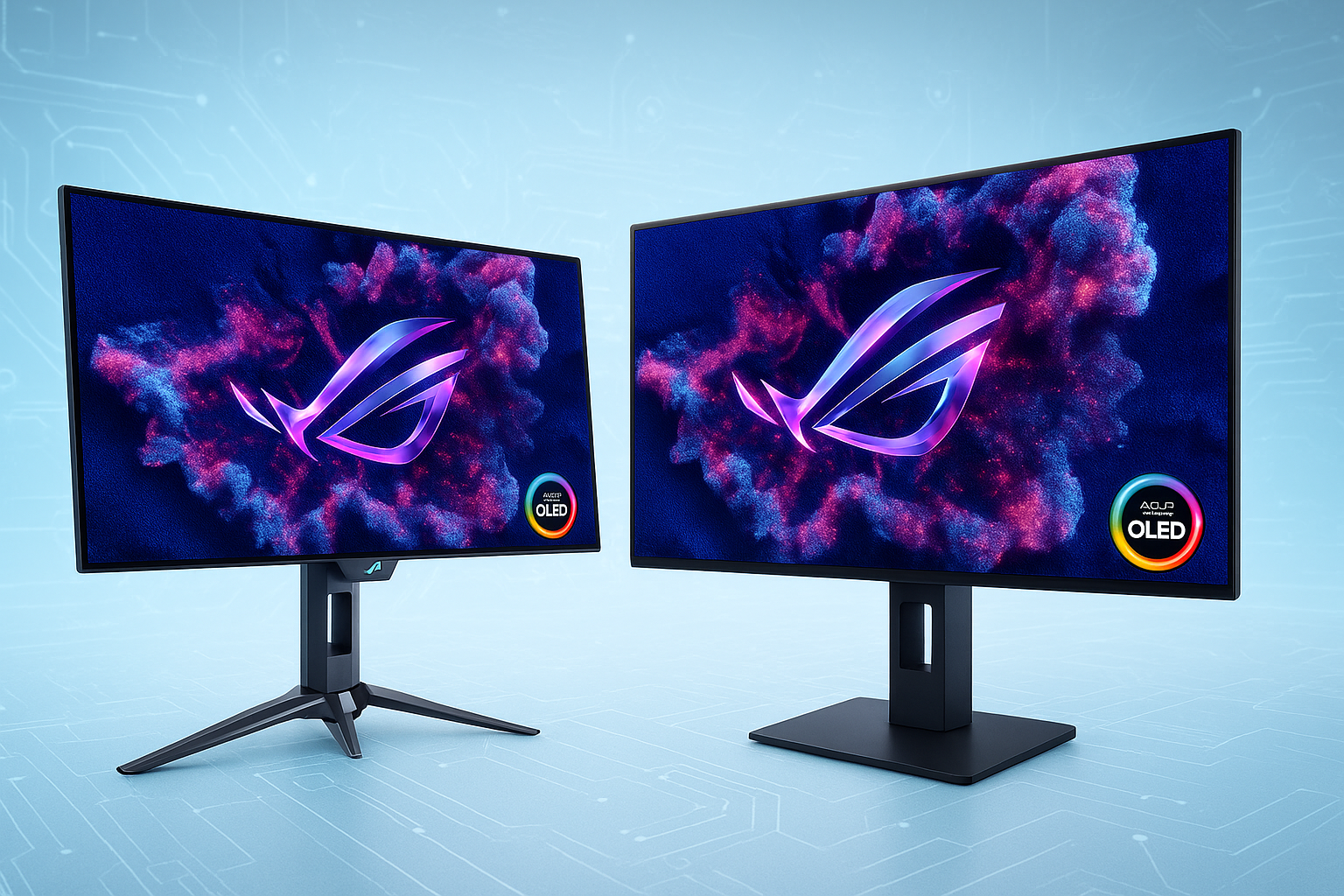
One of the most exciting technical leaps we’re seeing is the adoption of Tandem OLED (or dual-layer OLED). While traditional OLEDs are prized for their deep blacks and vibrant colors, they have a notorious Achilles’ heel: burn-in and brightness degradation over time.

Tandem OLED solves this by stacking two layers of organic light-emitting diodes. This doesn’t just make the screen brighter; it distributes the electrical load across two layers, significantly extending the lifespan of the panel. For professionals who use tablets as primary monitors for hours on end, this is a game-changer.
Data from display industry analysts suggests that Tandem OLED can achieve significantly higher peak brightness while consuming less power than single-layer panels. This allows for thinner devices—like the ultra-slim 6.5mm profiles we are seeing—without sacrificing battery life.
This trend is likely to migrate from high-end tablets to laptops and eventually automotive dashboards, where reliability and visibility under direct sunlight are non-negotiable. For more on display evolution, check out the latest reports from DSCC.
AI-First Hardware: Beyond the Chatbot
The integration of tools like Google Gemini and “Circle to Search” into tablet hardware marks the transition from software-based AI to hardware-integrated AI. We are moving past the phase where AI is just a website you visit; it is becoming the operating system itself.
In the coming years, expect tablets to evolve into “AI Orchestrators.” Instead of opening five different apps to plan a trip, your device will use its onboard NPU to synthesize data from your email, calendar, and maps, presenting a single, actionable itinerary.
The use of chips like the MediaTek Dimensity series shows a push toward efficiency. The goal is no longer raw clock speed, but Tops (Tera Operations Per Second). The more AI tasks a device can handle locally (on-device AI) rather than in the cloud, the faster, more private, and more reliable the experience becomes.
The Convergence of Tablet and Laptop
As tablets gain 144Hz Tandem OLED screens and massive batteries, the line between a tablet and a laptop continues to blur. With Android 16 and enhanced multitasking, the “tablet” is becoming the primary device for the “creator economy”—people who need a portable canvas for AI-assisted art, video editing, and coding.
From Pockets to Platforms: The Shift Toward Robotics
Perhaps the most intriguing trend is the reallocation of R&D budgets from mobile phones to robotics and commercial AI. Why? Because the “Interface” is changing.
For twenty years, the interface was a screen. The next frontier is physical AI. By applying the same miniaturization and power-efficiency lessons learned from smartphones to robotics, companies are creating autonomous systems for warehouses, healthcare, and home automation.
We are seeing a shift toward commercial computing solutions that don’t just process data but interact with the physical world. This is where the real economic value lies—moving from selling a $1,000 device every two years to providing AI-driven robotic infrastructure for global industries.
Frequently Asked Questions
Q: Is the smartphone dying?
A: Not exactly, but it is maturing. The “innovation race” is moving toward AI-integrated wearables, foldable tablets, and robotics.
Q: What is the main advantage of Tandem OLED over regular OLED?
A: Higher brightness, better energy efficiency, and a much longer lifespan with reduced risk of screen burn-in.
Q: Why are companies focusing on “on-device AI”?
A: On-device AI is faster (no latency), works offline, and is significantly more secure since your data never leaves the hardware.
Q: Will tablets eventually replace laptops?
A: For the majority of users, yes. As AI handles more of the “heavy lifting” and screens become more durable, the need for a traditional clamshell laptop is decreasing for everyone except high-end power users.
What do you think? Is the era of the smartphone over, or are we just entering a new chapter? Let us know your thoughts in the comments below or subscribe to our newsletter for the latest insights into the future of tech!