
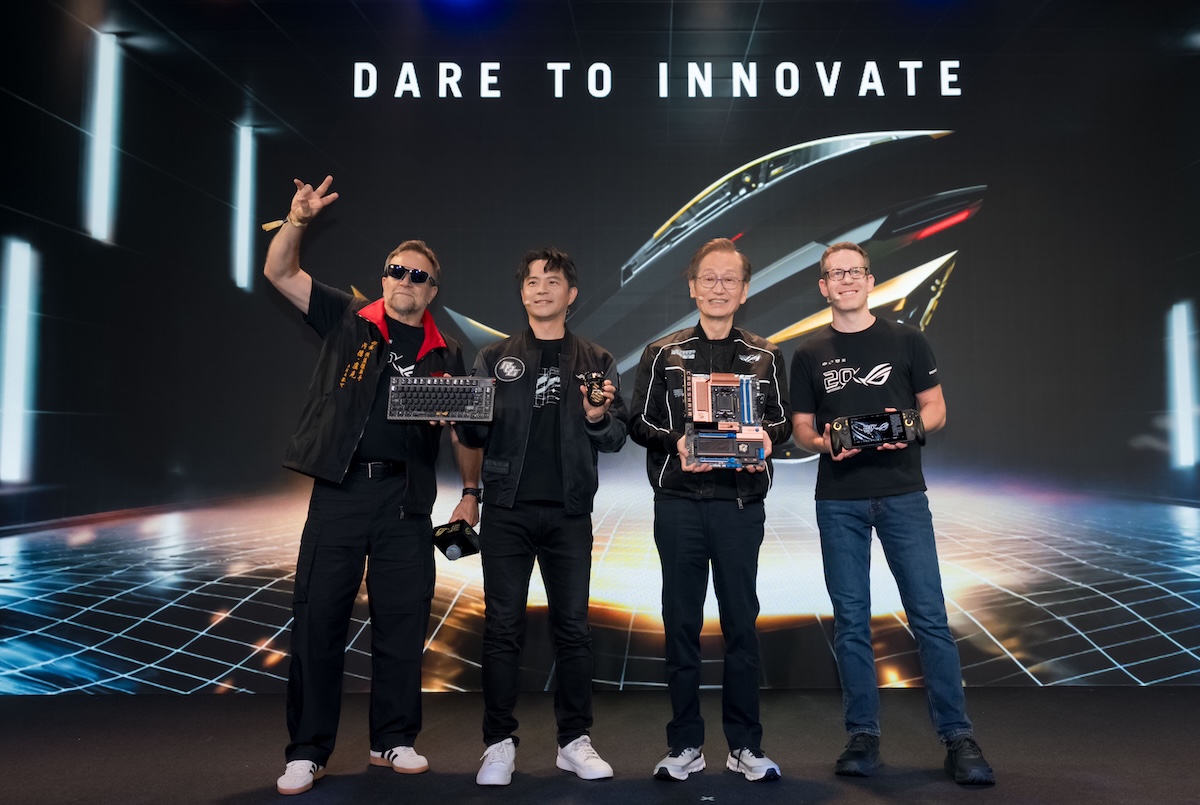
ASUS ROG Unveils ROG Edition 20 AI-Powered Gaming Ecosystem at Computex 2026
Beyond the Hardware: How AI is Redefining the Gaming Ecosystem
For two decades, the gaming industry has been obsessed with raw power. We’ve chased higher clock speeds, more VRAM, and faster refresh rates. But as we look at the latest milestones from industry leaders like ASUS ROG, it’s clear that the next twenty years won’t be defined by specs alone. We are witnessing a seismic shift: the transition from “gaming hardware” to “intelligent gaming ecosystems.”
The Rise of AI-Driven Performance Optimization
The modern PC is no longer just a collection of parts. it is becoming a self-optimizing organism. With the integration of AI into components like the latest RTX 50-series GPUs and flagship motherboards, systems are now capable of predicting thermal loads and adjusting power delivery in real-time. This isn’t just about overclocking; it’s about efficiency.

The 540Hz Frontier: Pushing Human Perception
We’ve reached a point where monitor refresh rates—like the new 540Hz OLED panels—are beginning to outpace human reaction times. Why push further? Because it isn’t just about seeing the enemy a millisecond faster; it’s about reducing motion blur to near-zero levels. This is the holy grail for esports professionals, where clarity translates directly into accuracy.
According to industry research, high-refresh-rate displays significantly reduce input lag, creating a “connected” feeling between the player and the digital world that was physically impossible just five years ago.
The Unified Ecosystem: More Than Just RGB Sync
Gone are the days of managing five different software suites to control your mouse, monitor, and motherboard. The future of gaming is integration. When your software can communicate across your entire rig—adjusting your monitor’s colour profile based on the game you’re playing or syncing your power supply’s thermal output with your cooling fans—the user experience becomes seamless.
Did You Know?
The first dedicated “gaming” motherboards were often dismissed as marketing gimmicks. Today, they are the backbone of the $200 billion global gaming industry, driving innovations in power management that eventually trickle down to enterprise-level AI servers.
What Does This Mean for the Average Gamer?
You don’t need a flagship, limited-edition rig to feel the impact of these trends. The democratization of AI-based performance means that mid-range components are gaining “smart” features that were once reserved for the ultra-enthusiast tier. As these technologies mature, You can expect:
- Automated Drivers: Systems that optimize game settings based on your specific cooling setup without user intervention.
- Predictive Cooling: Fans that ramp up before a frame-heavy scene even hits your screen.
- Longevity: Components that use AI to monitor wear and tear, suggesting preventive maintenance before failure occurs.
Frequently Asked Questions
Q: Is AI in gaming hardware just a marketing buzzword?
A: Not entirely. While “AI” is often used broadly, the implementation of dedicated NPUs and machine-learning algorithms on hardware is genuinely improving thermal management, upscaling (like DLSS), and system stability.
Q: Should I wait for the latest “Edition” hardware or upgrade now?
A: If your current rig handles your favorite titles at your monitor’s native resolution, you’re likely fine. Upgrade when you see a shift in architecture—like the move to more efficient, AI-integrated chips—rather than just iterative speed bumps.
Q: How does a 540Hz monitor actually help?
A: It significantly reduces “ghosting” and motion blur. For competitive FPS players, this makes tracking targets during fast-paced movement much clearer, effectively giving you a cleaner image of your opponent.
Join the Conversation
What’s the one feature you think is missing from the modern gaming setup? Share your thoughts in the comments below, or subscribe to our newsletter for deep dives into the future of PC tech.