

ASUS shows RTX 5090 running at 48V with 1000W through a single 16-pin power cable
The 1000W Threshold: Why Your PC Power Supply is About to Change
For years, the 12V rail has been the undisputed king of the PC power supply. It’s the standard we’ve built everything around, from the simplest office PC to the most aggressive gaming rigs. But we’ve hit a wall. As GPUs evolve into AI-driven powerhouses, the sheer amount of current required to push high wattages through 12V cables is becoming a liability.
ASUS recently shook up the industry by demoing a modified GeForce RTX 5090 pulling a staggering 1000W. The twist? It wasn’t using the traditional 12V delivery system. Instead, it utilized a 48V architecture. While this was presented as a “concept,” it signals a massive shift in how we will power high-end hardware in the AI era.
The Physics of Power: Why 48V is the Game Changer
To understand why 48V matters, you have to look at the basic physics of electricity: Power (Watts) = Voltage (Volts) × Current (Amps).
When you want to deliver 1000W of power at 12V, you need roughly 83 Amps. That is a massive amount of current to push through a thin cable. High amperage creates heat and heat leads to voltage drop and, in worst-case scenarios, melting connectors—a problem that plagued early 12VHPWR adopters.
Solving the “Melting Cable” Nightmare
By jumping to 48V, the math changes completely. To get that same 1000W, you only need about 20.8 Amps. That’s a 75% reduction in current. Lower current means the cables stay cooler, the wires can be thinner, and the overall risk of connector failure plummets.
In the ASUS demo, a single 12V-2×6-style connector was used, but because it was carrying 48V, the load per pin was remarkably low (around 3.5A to 3.7A). Compare that to a standard 600W card at 12V, which pushes over 8A per wire. The headroom for safety and stability increases exponentially.
The AI Effect: Why GPUs Need This Much Juice
You might be wondering: Who actually needs a 1000W GPU? For the average gamer playing at 4K, it seems like overkill. But we aren’t just talking about gaming anymore.
The “AI-era GPU” refers to the convergence of consumer hardware and local AI workloads. Running Large Language Models (LLMs) or generating high-resolution AI video locally requires massive amounts of VRAM and sustained compute power. These workloads don’t just “spike” like a game does; they hammer the GPU at 100% load for hours.
As NVIDIA and its partners push for more transistors and higher clock speeds to keep up with AI demands, the power ceiling must rise. We are moving toward a world where the GPU is no longer just a peripheral, but the primary compute engine of the PC, demanding power levels previously reserved for industrial equipment.
From Concept to Case: The Roadblocks to Adoption
If 48V is so much better, why isn’t every PSU doing it today? The transition is a logistical nightmare. The entire PC ecosystem is built on 12V. Your motherboard, your SSDs, and your RGB fans all expect 12V (or 5V/3.3V).
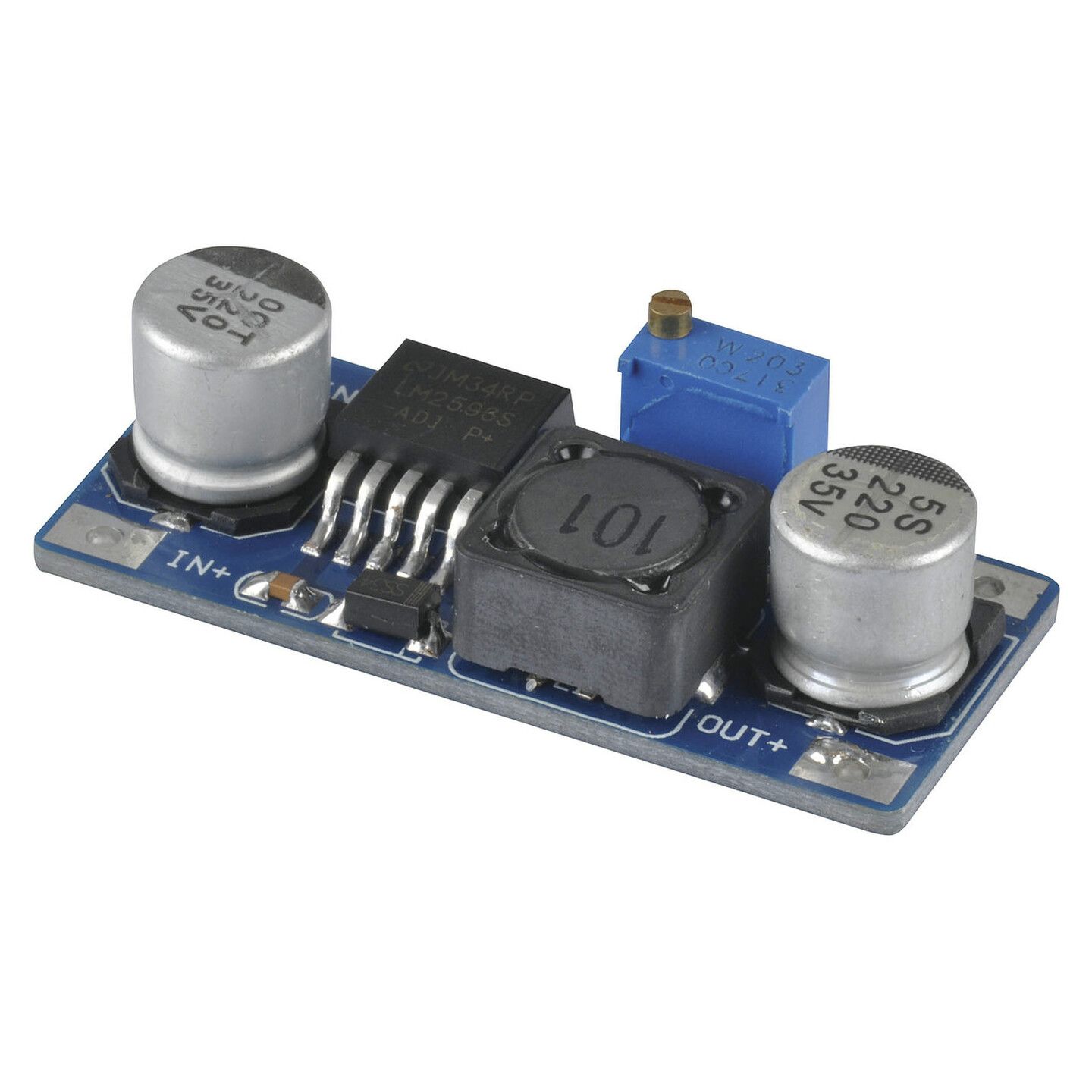
Moving to a 48V system requires a complete redesign of the Power Supply Unit (PSU) and the Voltage Regulator Modules (VRMs) on the graphics card. The GPU still needs low voltage to actually run its cores; the 48V is just for transporting the power. Converting 48V down to ~1V on the card requires sophisticated, expensive components to ensure efficiency doesn’t drop during the conversion.
For more on how power delivery affects hardware longevity, check out our guide on choosing the right PSU for high-end builds or visit Intel’s technical specifications on PCIe power standards.
Frequently Asked Questions
Q: Will I need a new power supply for the RTX 5090?
A: Likely not for standard models, as they will probably stick to the 12V-2×6 standard. However, “extreme” versions or future AI-focused cards may require new 48V-capable PSUs.
Q: Is 48V dangerous for the user?
A: Not in a practical sense. While higher than 12V, it is still well within the safety margins of low-voltage DC power used in many other consumer electronics.
Q: Does 48V mean my electricity bill will go up?
A: Not necessarily. 48V improves transmission efficiency (less power wasted as heat in the cables), but the GPU will still consume the same amount of total wattage to perform its tasks.
What do you think? Is a 1000W GPU a sign of progress or just unsustainable engineering? Let us know in the comments below, or subscribe to our newsletter for the latest updates on next-gen hardware!