

Auckland teen wins Apple global competition with stargazing app
The New Frontier: How Spatial Computing is Bringing the Universe to Your Living Room
For most of us, experiencing the pristine, ink-black skies of Lake Tekapo—New Zealand’s premier stargazing destination—is a logistical and financial challenge. But what if you could reach out, pinch the moon, and pull a galaxy into your living room? This isn’t science fiction; It’s the burgeoning reality of spatial computing.
Young innovators like Westlake student Alex Liang are proving that the barrier between physical landmarks and digital education is dissolving. By utilizing tools like Apple’s Vision Pro, Lidar scanning, and advanced particle rendering, developers are creating immersive experiences that make complex astronomy accessible to anyone, anywhere.
Lidar (Light Detection and Ranging) technology, once reserved for high-end autonomous vehicles and industrial surveying, is now in the palm of your hand. It allows developers to create high-fidelity 3D maps of real-world locations, which can then be rendered in augmented reality (AR).
Bridging the Gap: Why Spatial Education is the Future
The traditional classroom model is shifting. As we move toward a future where Extended Reality (XR) is commonplace, the way we teach science, history, and geography will fundamentally change. By integrating star lore and indigenous knowledge—such as the significance of Matariki—into interactive 3D environments, we aren’t just teaching facts; we are fostering deep, experiential connections.

Liang’s work, which combines RealityKit and ARKit, highlights a crucial trend: the democratization of high-level tech. Previously, building complex simulations required massive computing power. Today, custom Metal compute shaders and machine learning allow a student with a laptop to predict meteor showers and visualize celestial bodies with pinpoint accuracy.
The Power of Machine Learning in Amateur Astronomy
It’s not just about what you see; it’s about what you can capture. Through collaborations like the Global Meteor Network, enthusiasts are using machine learning to track meteor activity. This shift from passive observation to active data collection empowers a new generation of “citizen scientists.”
If you’re an aspiring developer, start by experimenting with Apple’s Swift programming language. Its integration with ARKit and RealityKit is the industry standard for creating spatial applications that feel fluid and natural.
What’s Next for Spatial Computing?
As headsets become lighter, faster, and more affordable, we will see a surge in “digital tourism.” Imagine visiting the Church of the Good Shepherd in Takapō without leaving your home, or walking through a virtual museum that updates in real-time based on the latest astronomical data. This is where the intersection of generative AI and spatial hardware leads us.
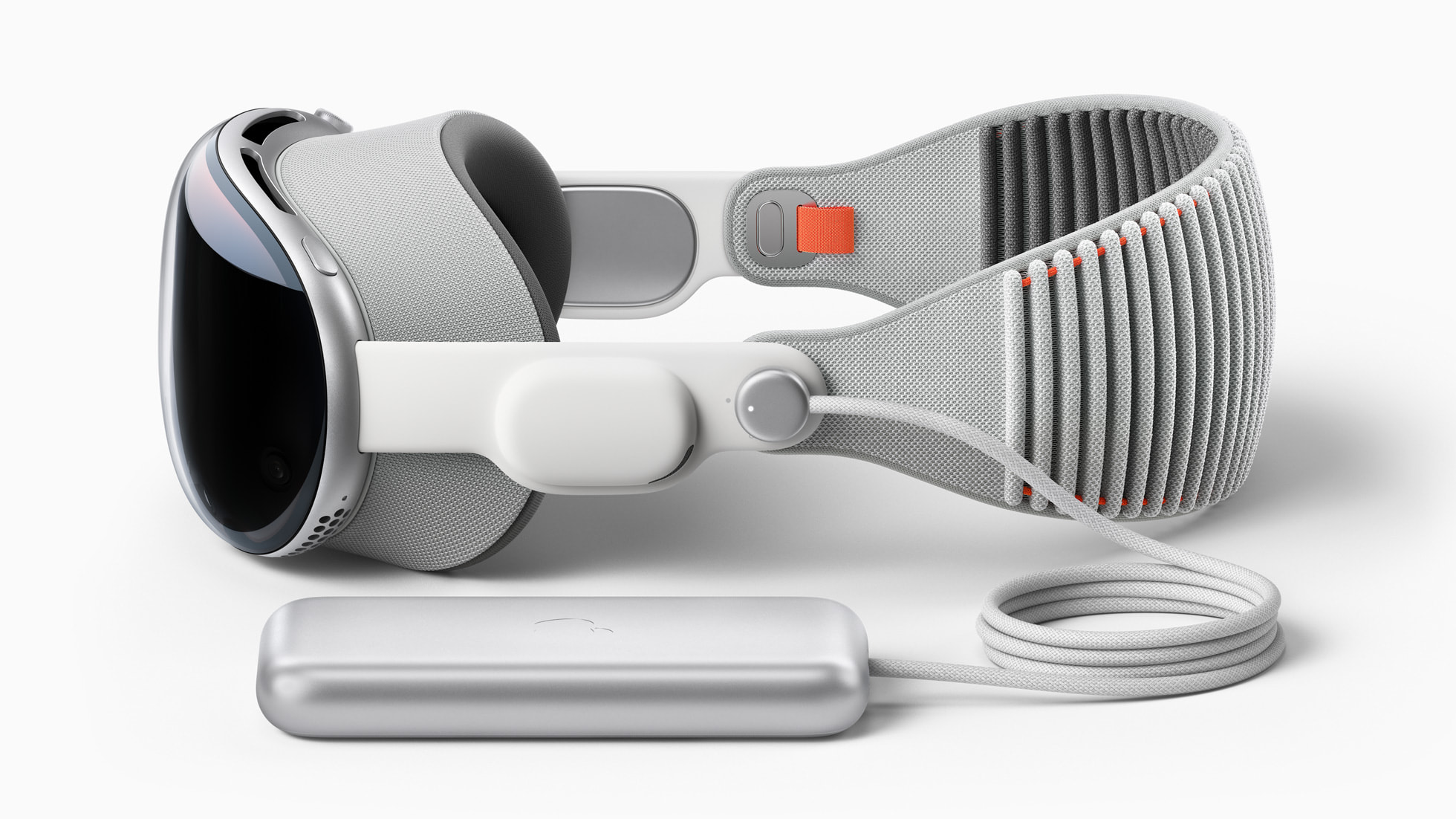
The goal is no longer just “viewing” content; it is “interacting” with it. When you can manipulate light, pull objects toward you, and access multilingual translations of complex cultural lore in a 3D space, the learning curve flattens, and retention rates skyrocket.
Frequently Asked Questions
What is spatial computing?
Spatial computing is a form of technology that blends the physical and digital worlds, allowing humans to interact with digital content in a 3D space using natural movements like gestures and eye tracking.
Can I use AR to learn about the stars?
Absolutely. Apps leveraging ARKit and similar frameworks allow you to overlay constellations, planets, and cultural star lore onto your actual surroundings, making astronomy interactive and accessible.
Do I need a high-end headset to start?
While headsets like the Vision Pro offer the most immersive experience, many AR apps are designed to work on standard iPhones and iPads, using the device’s camera and screen to bridge the gap between reality and digital overlays.
What do you think is the biggest potential for spatial computing in education? Share your thoughts in the comments below, or subscribe to our tech newsletter for weekly deep dives into the future of innovation.