
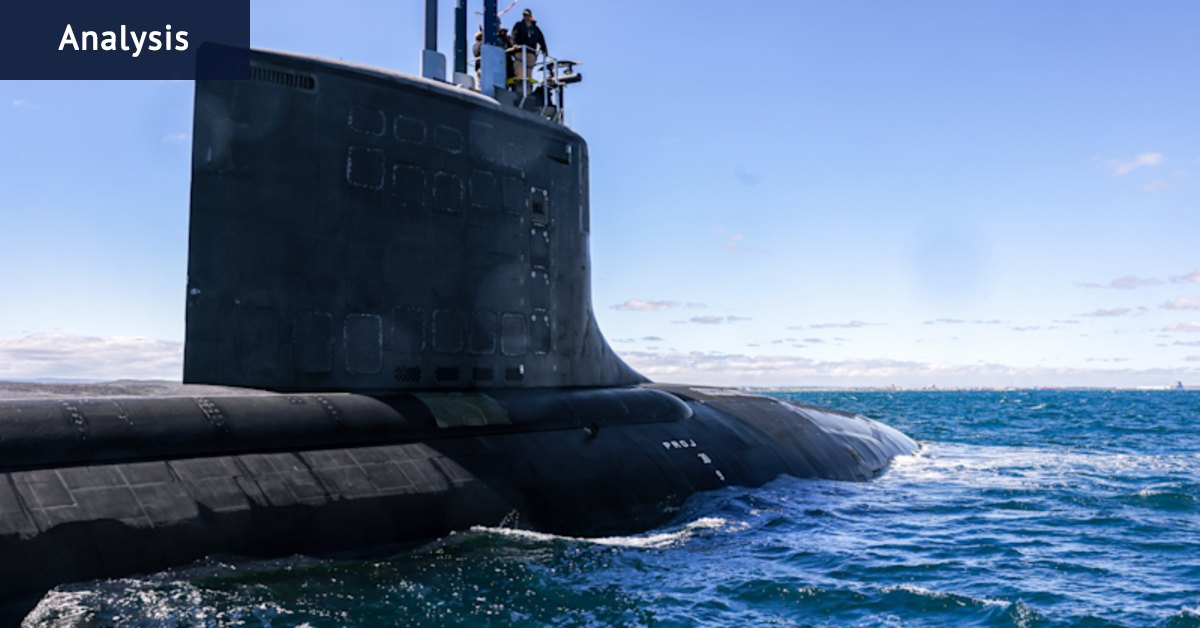
AUKUS: Why Australia’s Political Commitment Is Being Tested
The AUKUS Tightrope: Why Australia’s Silence is Becoming a Strategic Liability
A year ago, the AUKUS defence pact—the cornerstone of Australia’s future maritime security—looked like it might be heading for the rocks. With leadership uncertainty in Washington and whispers of a Pentagon review, the trilateral agreement between Australia, the UK, and the US faced an existential test. Today, the tide has turned: the US is fully committed, but a new, quieter challenge has emerged. The real battle for AUKUS is no longer in the halls of the Pentagon, but in the court of Australian public opinion.
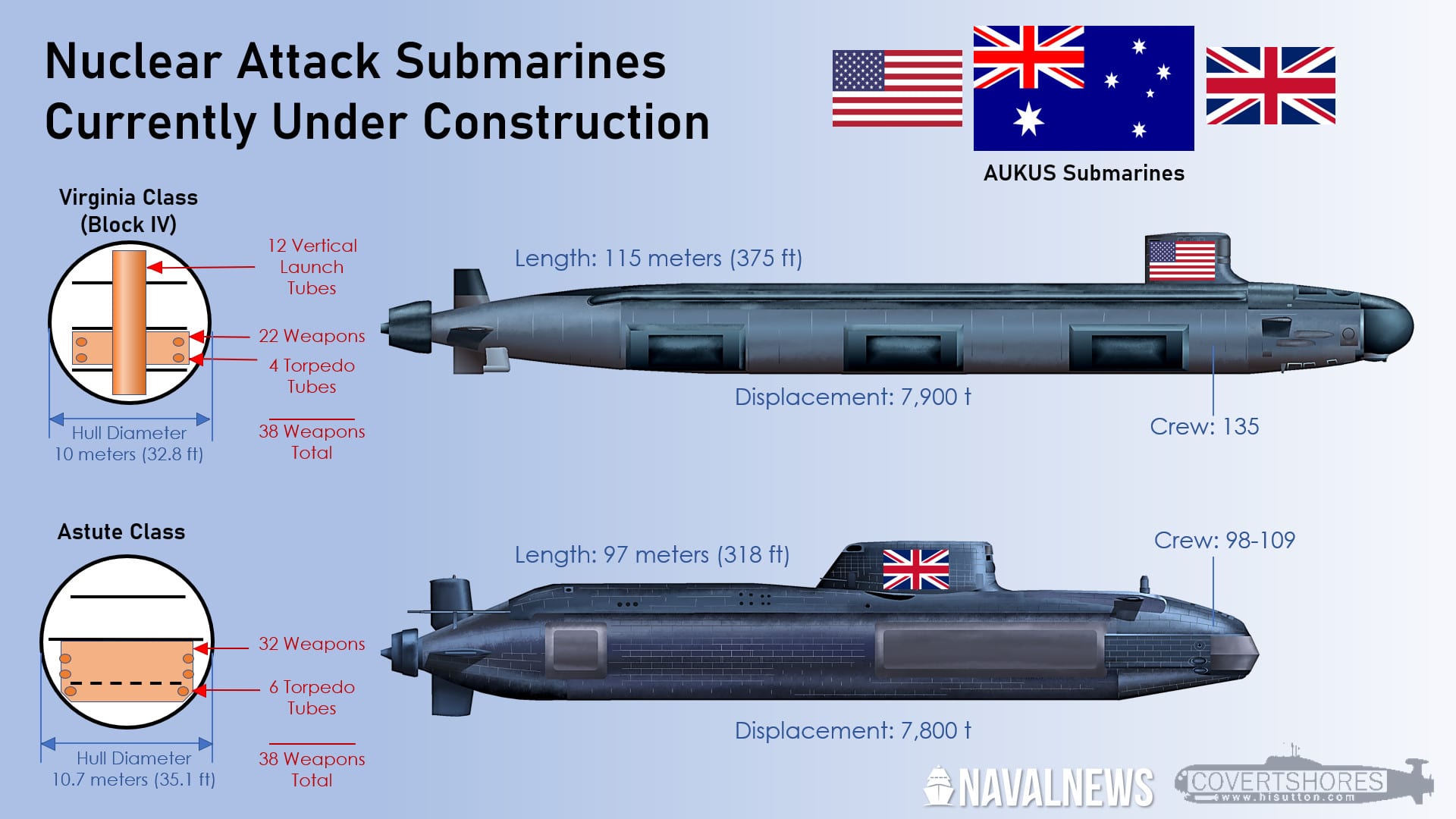
While Washington is satisfied with the tactical progression of the Virginia-class submarine program, there is a growing consensus among defence analysts that Canberra’s “coy” messaging is creating a dangerous vacuum. By avoiding an honest conversation about why these submarines exist—and the potential for their use in a regional conflict—the Australian government is inadvertently risking the very “social licence” it needs to see the multi-decade project through to completion.
The “Second-Hand” Submarine Myth vs. Reality
Much of the recent domestic friction in Australia has centered on whether the Virginia-class boats procured under AUKUS will be “new” or “second-hand.” In Washington, this debate is viewed with bewilderment. defence experts, including those from the Center for Strategic and International Studies (CSIS), have long maintained that the focus should be on capability rather than the showroom status of the hull.
The reality is that a “pre-loved” Virginia-class submarine is still a world-class asset. The industry capacity required to build these vessels from scratch is already stretched to its limit. Procuring in-service boats is not a compromise; It’s a pragmatic necessity to ensure Australia gains this deterrent capability on a realistic timeline.
The China Factor: Why Strategic Ambiguity is Failing
The Australian government faces a delicate balancing act: maintaining a vital economic relationship with China while simultaneously preparing for the eventuality of a regional conflict. However, experts argue that this balancing act is becoming a weakness.
When policymakers avoid discussing the specific strategic purpose of AUKUS for fear of provoking Beijing, they leave the public uninformed. As Bryan Clark of the Hudson Institute points out, if a government cannot articulate why its military assets are necessary, it cannot lead. Silence is often interpreted by adversaries as a lack of resolve, which ironically diminishes the deterrent effect that AUKUS is designed to provide.
Building a Social Licence: The Path Forward
For AUKUS to survive the long, political haul, the narrative must shift. It requires a more candid conversation with the Australian public about the changing nature of regional security. This is not about fear-mongering; it is about “growing up” as a middle power with significant strategic responsibilities.
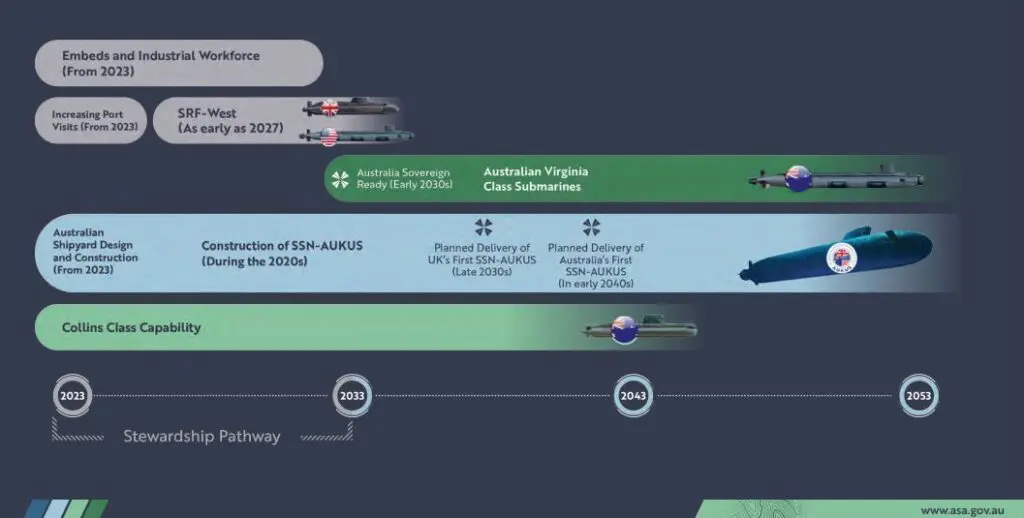
- Increased Transparency: The government must clearly explain the link between naval capability and national sovereignty.
- Bipartisan Resilience: Ensuring the commitment remains firm regardless of which party holds power is essential for international credibility.
- Focus on Regional Stability: Framing AUKUS as a tool for maintaining a “rules-based order” rather than an offensive threat.
Frequently Asked Questions
Q: Why is the US so interested in the AUKUS deal?
A: The US views Australia as a critical partner in the Indo-Pacific. A nuclear-powered Australian fleet significantly expands the operational range and deterrent capabilities of the Western alliance in the region.
Q: Will these submarines be capable of handling modern threats?
A: Yes. The Virginia-class is designed for multi-mission capabilities, including anti-submarine warfare, intelligence gathering, and precision strikes, making them highly effective against modern naval threats.
Q: Is the AUKUS pact too expensive for Australia?
A: While the fiscal commitment is immense, proponents argue that the cost of inaction—losing regional influence or failing to secure maritime trade routes—would be significantly higher.
What do you think? Is the Australian government doing enough to explain the necessity of AUKUS, or is the lack of transparency a calculated move? Share your thoughts in the comments section below, or subscribe to our weekly intelligence briefing for more in-depth geopolitical analysis.