

Australia declares possible strongest El Niño in decades
Australia’s Bureau of Meteorology (BOM) has confirmed the formation of a significant El Niño weather pattern in the tropical Pacific, warning that sea surface temperatures have already surpassed established thresholds. The bureau indicates this event could escalate into one of the most intense climate cycles since 1950, potentially triggering severe droughts in Asia and Australia while driving excessive rainfall across the Americas.
How does a strong El Niño impact global food security?
The current weather pattern threatens to disrupt agricultural production across the world’s most populous regions, according to the BOM. As atmospheric indicators align with historical warming trends, forecasters expect hot, dry conditions to hinder crop planting in Asia. This volatility poses a direct risk to global commodity chains, particularly for staples like wheat, sugar, and beef. The 2015–2016 El Niño event serves as a critical precedent, as it caused widespread drought that significantly reduced grain and oilseed outputs globally.
El Niño is not just a localized weather event. It is a periodic, large-scale warming of sea surface temperatures in the central and eastern Pacific that alters global atmospheric circulation, often supercharged by the ongoing effects of climate change.
What are the specific risks for Australian agriculture?
For Australia, the arrival of El Niño typically signals a period of reduced rainfall during the vital winter and spring months, specifically impacting the country’s eastern coast. The Bureau of Meteorology notes that daytime temperatures are likely to rise, creating conditions that stress livestock and crops. The stakes are high: Australia remains a top-tier global exporter of wheat and sugar. The most recent comparable event, spanning 2023 to 2024, resulted in the driest three-month period on record, highlighting the vulnerability of the nation’s primary industries to these Pacific-driven climate shifts.
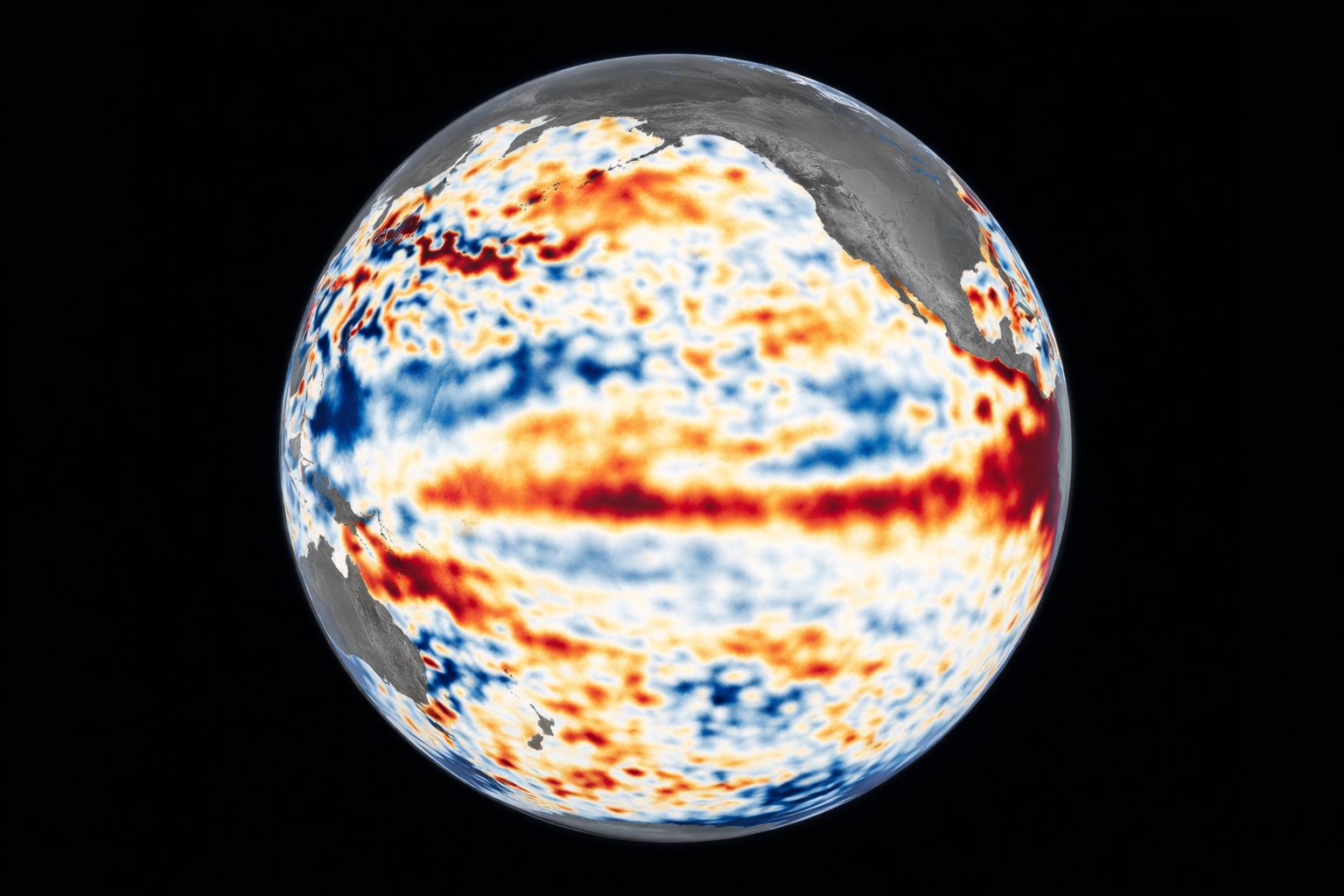
Comparing current models to historical data
Data provided by the BOM suggests this event is tracking toward the extreme end of the spectrum. Approximately half of the current meteorological models indicate that this El Niño could peak at levels rivaling the strongest events recorded in the last 70 years. While the 2015–2016 event remains the benchmark for recent agricultural damage, climate scientists warn that modern weather patterns are being “supercharged” by climate change, potentially leading to more erratic outcomes than historical data might predict.
To monitor the progression of this event, check the Bureau of Meteorology’s official climate outlooks. Staying updated on regional rainfall probabilities can help producers adjust planting schedules and water management strategies in real-time.
Frequently Asked Questions
What is an El Niño event?
El Niño is a periodic warming of sea surface temperatures in the central and eastern tropical Pacific Ocean that changes global weather patterns, including rainfall and temperature extremes.
Why is this year’s event considered dangerous?
The BOM warns that models suggest this could be one of the strongest events since 1950, with scientists noting that climate change is likely intensifying the resulting weather extremes.
How does El Niño affect rainfall in Australia?
It is generally linked to less rainfall during winter and spring, particularly across Australia’s east coast, often leading to increased drought risk.
How are you preparing for potential climate volatility in your region? Share your thoughts in the comments below or subscribe to our weekly climate report for the latest updates on global weather trends.