
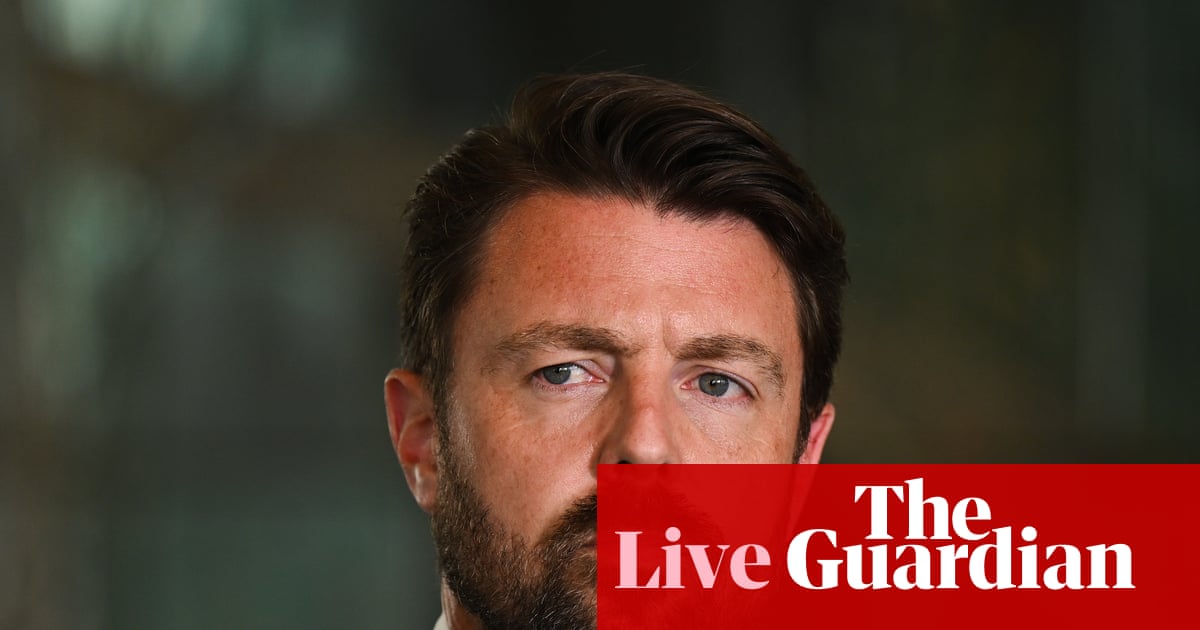
Australia News Live: Jonno Duniam Retires and Sydney River Tragedy
Health Minister Mark Butler is steering the National Disability Insurance Scheme (NDIS) toward stricter growth constraints to prevent costs from reaching $20 billion by 2030, according to statements made on ABC’s Insiders. This shift coincides with the first-year success of a national lung cancer screening program that detected 230 primary cancers among 100,000 high-risk Australians.
Why is the NDIS undergoing significant structural changes?
Minister Mark Butler stated the NDIS has “got way off track” and grown too expensive, becoming a “honey pot for shonks and rorters.” Butler told ABC’s Insiders that the government must constrain growth to ensure the program remains sustainable.
The government’s “direction of travel” involves reforms based on a 2023 independent review. Butler maintains these changes are necessary to secure the program’s future, asserting it will remain Australia’s largest social program outside the aged pension.
However, the transition faces opposition. Disability discrimination commissioner Rosemary Kayess told a Senate inquiry that proposed cuts to community and social participation funding could leave people with disabilities “severely isolated and vulnerable to abuse.” Butler countered that these cuts protect “core supports” like personal care workers.
How is preventative health screening evolving in Australia?
The national lung cancer screening program reported that nearly 100,000 high-risk Australians accessed free services in its first 12 months. This initiative detected more than 230 primary lung cancers, according to data released by the health department.
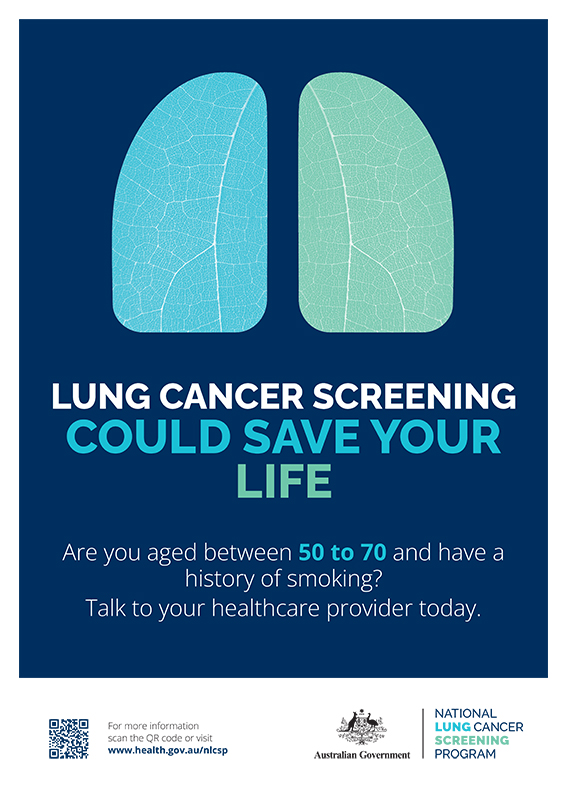
Butler noted that early detection can lead to successful treatment in over 65% of cases. The program utilizes low-dose CT scans for smokers aged 50 to 70. To reach remote areas, the government partnered with Heart of Australia, delivering 519 mobile scans via specialized trucks in the Northern Territory and Western Australia.
A key driver of these numbers was the partnership with the National Aboriginal Community Controlled Health Organisation (NACCHO). First Nations participants made up over 5% of those screened. NACCHO CEO Dr. Dawn Casey PSM attributed this to “co-design” with the community-controlled sector to ensure cultural safety.
What is the legal precedent for gender-based app discrimination?
The High Court will decide whether to hear an appeal from Sall Grover, founder of the women-only social media app Giggle for Girls. The Federal Court previously ruled that the app unlawfully discriminated against Roxanne Tickle, a transgender woman, by denying her access to the platform.
Justices Melissa Perry, Wendy Abraham, and Geoffrey Kennett affirmed in August 2024 that Tickle experienced direct discrimination based on her gender identity. Grover has since filed for special leave to appeal the decision, funding the legal effort through a crowdfunding website.
How do political retirements impact the Federal Coalition?
Liberal frontbencher Jonathon Duniam announced he will quit the Senate at the end of the year. Duniam, the shadow home affairs minister, cited a need to prioritize family after 25 years in politics, including 10 years as a Senator for Tasmania.
The departure comes as the Coalition faces “persistently poor polling” and pressure from One Nation, according to reporting by Tom McIlroy. Duniam expressed confidence in the leadership of Angus Taylor and Matt Canavan, stating they are equipped to lead the party back to success.
Comparison: NDIS Growth vs. Preventative Health Investment
| Focus Area | Current Trend | Stated Goal/Outcome |
|---|---|---|
| NDIS Funding | Rapid cost escalation | Prevent $20B spend by 2030 |
| Lung Cancer Screening | Expansion to high-risk groups | 65%+ treatment success via early detection |
Frequently Asked Questions
Will NDIS reforms reduce the quality of care?
Advocates and Commissioner Rosemary Kayess warn that cuts to social participation could increase isolation. Minister Mark Butler argues that these reforms are necessary to protect “core supports” and ensure the program doesn’t collapse under its own cost.
Who is eligible for the free lung cancer screening?
The program targets Australians aged 50 to 70 with a history of smoking, utilizing low-dose CT scans.
What happened in the Giggle for Girls case?
The Federal Court found the app and its founder discriminated against a transgender woman. The founder is now seeking special leave to appeal this in the High Court.
Want to stay updated on Australian health and legal reforms?
Share your thoughts on the NDIS changes in the comments below or subscribe to our newsletter for weekly deep dives into federal policy.