

Australia’s Climate Crisis: Political Denial vs. Energy Transition
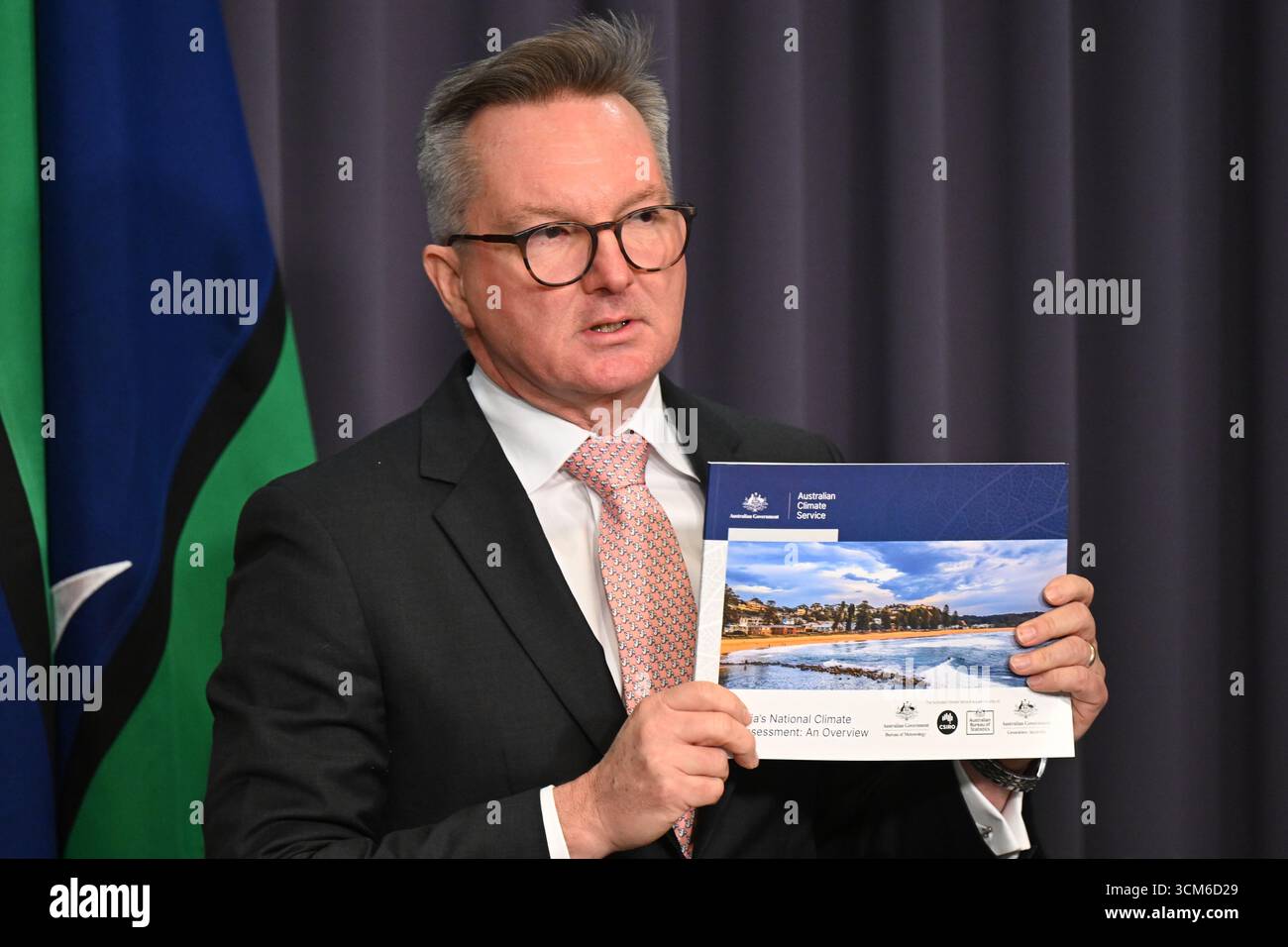
Australian Climate Change and Energy Minister Chris Bowen is advocating for a global target of 35% of final use energy to come from electricity by 2035. According to Bowen, this electrification drive is designed to limit the impacts of climate change and protect nations from fossil fuel price shocks caused by geopolitical upheaval.
Why is electrification the central focus for Australia’s energy future?
Electrification involves shifting how buildings are heated, how food is cooked, and how people travel. Minister Chris Bowen stated during a UN climate meeting in Bonn that rapidly building modern grids powered by clean energy and storage is a priority. This would increase global electricity use from its current level of just over 20% to 35% by 2035.
Bowen cited the 2006 review by British economist Lord Nicholas Stern to support this shift. Stern’s evidence suggests that meeting the Paris Agreement goals—keeping global heating well below 2C and aiming for 1.5C—will avoid massive economic costs. Bowen argued that renewable energy is now the cheapest form of power available, whether used for industrial power in Germany or solar energy in Pacific nations.
What is driving the shift toward household energy independence?
A surge in rooftop solar and household battery systems is fundamentally altering Australia’s energy landscape. These technologies give homeowners more control over their power and reduce reliance on the centralized grid. While large-scale wind and solar farms have faced a slower rollout, household adoption has been extraordinary.
Recent data indicates that coal and expensive gas-fired electricity are in decline. During periods of high demand last summer, the grid remained stable without major issues. According to recent observations, batteries are beginning to lower electricity costs even for households that do not own their own systems.
How does political polarization affect climate policy?
Political alignment on climate science is fracturing. One Nation has seen a surge in polls while continuing to reject evidence that the planet is warming. The party has argued for the abolition of the climate change department, claiming it has failed to “change the climate.”
Media framing varies sharply. The Australian has published commentary suggesting the energy minister should focus exclusively on the power grid rather than international climate talks. Similarly, the Daily Telegraph published an editorial claiming Australians have “moved on” from “climate panic.” This marks a shift for the Daily Telegraph, which previously ran a “Mission Zero” campaign advocating for deep emissions cuts.
Comparing Climate Narratives
| Source/Entity | Framing of Climate Action |
|---|---|
| Chris Bowen / UN | Economic necessity to avoid “massive costs” and price shocks. |
| National Climate Risk Assessment | Warning of “cascading shocks” to financial and natural systems. |
| Daily Telegraph | Characterizes climate action as “climate activism” or “panic.” |
Where are the contradictions in current government policy?
The Albanese government faces criticism for sending mixed signals. While it promotes renewable energy and electric vehicles, it continues to approve large-scale fossil fuel developments for export. These approvals may complicate the transition to a low-emissions economy.
Economic promises have also faced scrutiny. The government promised a $275 cut in power bills, but electricity prices remain subject to global volatility. For example, the war in Ukraine significantly increased the cost of gas, which impacts the broader energy market regardless of domestic policy.
Looking ahead, the Cop31 climate summit in Turkey presents a diplomatic challenge. Because Turkey is co-hosting the event, analysts suggest the primary goal may simply be maintaining the international climate process. However, the outcome of these talks will determine if the 35% electrification target becomes a global reality.
Frequently Asked Questions
It is a proposal by Minister Chris Bowen for 35% of the world’s final energy use to come from electricity by 2035, up from roughly 20% today.
Chris Bowen will serve as “president of negotiations” at the Cop31 summit in Turkey.
It decentralizes energy production, reducing reliance on coal and gas and giving consumers more control over their electricity costs.
What do you think about the shift toward 35% global electrification? Is it a realistic goal for the next decade? Let us know in the comments or subscribe to our newsletter for more energy analysis.