

How much rent should a royal pay?
A recent National Audit Office report in the U.K. has highlighted complex financial arrangements regarding royal residences, revealing that Prince Andrew received rental income from subletting cottages while King Charles subsidizes the rent for Princesses Beatrice and Eugenie. The report, which details the management of royal properties, has triggered public debate regarding the monarchy’s transparency and its ability to maintain relatability during a period of economic hardship for many citizens.
Financial scrutiny and public perception
The National Audit Office report confirmed that Prince Andrew sublet three cottages on the Royal Lodge estate. While the specific income generated remains undisclosed, constitutional expert Craig Prescott of Royal Holloway, University of London, noted that these income streams could represent a substantial financial gain over time. The disclosure has drawn criticism regarding the optics of such arrangements, particularly as many in the U.K. and Canada face rising costs of living.
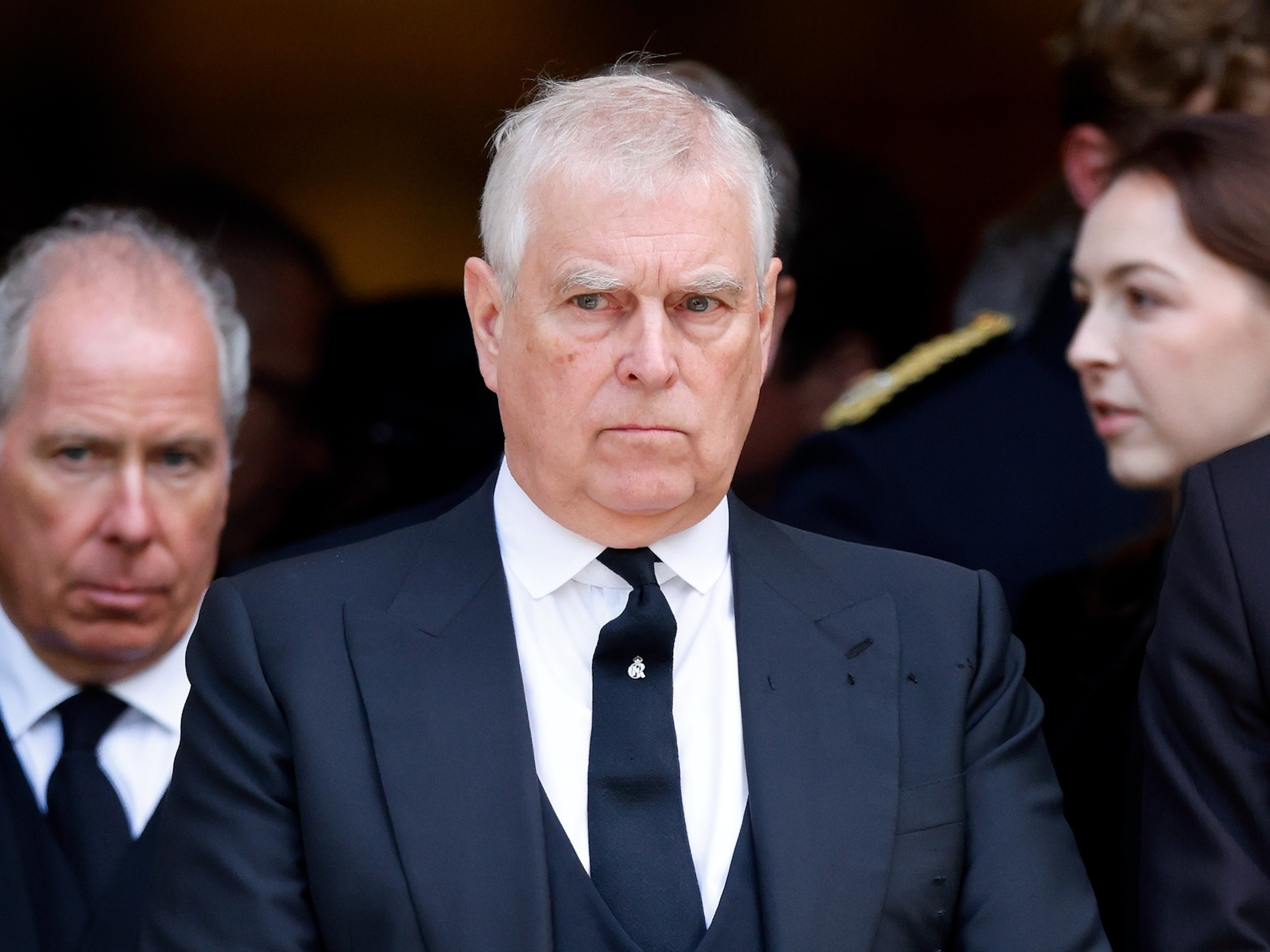
Royal historian Justin Vovk stated that the perception of elitism and favoritism can be damaging to the royal image. Vovk emphasized that for the average person, the justification of these leases—whether constitutional or otherwise—is secondary to the negative impression created by a wealthy family not paying market-value rents. The report also detailed that King Charles pays approximately 60 percent of the market rate for the residences occupied by Princesses Beatrice and Eugenie in St. James’s Palace and Kensington Palace.
The Prince and Princess of Wales’s housing
The audit also addressed the living arrangements of Prince William and Catherine, Princess of Wales, who moved into an eight-bedroom residence known as Forest Lodge last year. The couple is currently under a 20-year lease with an annual rent of approximately 300,000 pounds, a figure that is subject to a market-rate review every five years. According to Craig Prescott, this rent is substantially higher than that paid by the previous tenant.
:max_bytes(150000):strip_icc():focal(749x0:751x2)/forest-lodge-081825-3-a3599b4613d44a15b3e51d4ba9f5baa5.jpg "The Prince and Princess of Wales’s housing")
While the funding for this rent is expected to come from the Duchy of Cornwall, Prince William has initiated plans to repurpose 20 percent of the Duchy’s property to construct affordable housing. Historian Justin Vovk suggests that the couple’s emphasis on a “hands-on” approach to parenting and their avoidance of overt extravagance are key factors in maintaining public support and mitigating perceptions of unrelatability.
What may happen next
As the monarchy continues to face pressure regarding its financial management, analysts expect a shift in how royal properties are leased. The current focus on value for money makes it likely that fewer family members will secure advantageous, below-market leases in the future. Furthermore, as the House of Windsor navigates these perceptions, the Prince and Princess of Wales may continue to serve as the primary figures through which the monarchy attempts to connect with the public and demonstrate modern relevance.
Frequently Asked Questions
Why is there scrutiny over Prince Andrew’s living arrangements?
The scrutiny stems from a National Audit Office report revealing he received rental income from subletting three cottages on the Royal Lodge estate, raising questions about whether he benefited financially from his lease.

Who pays the rent for Princesses Beatrice and Eugenie?
King Charles pays the rent for their accommodations at St. James’s Palace and Kensington Palace, which is set at approximately 60 percent of the market value.
What is the status of Prince William’s lease at Forest Lodge?
Prince William and the Princess of Wales are on a 20-year lease for the eight-bedroom property, with an annual rent of about 300,000 pounds that is subject to market-rate reviews every five years.
How do you think the monarchy should balance its historical property holdings with the need for modern transparency?