

Australia’s Socceroos Champion Multiculturalism Ahead of World Cup
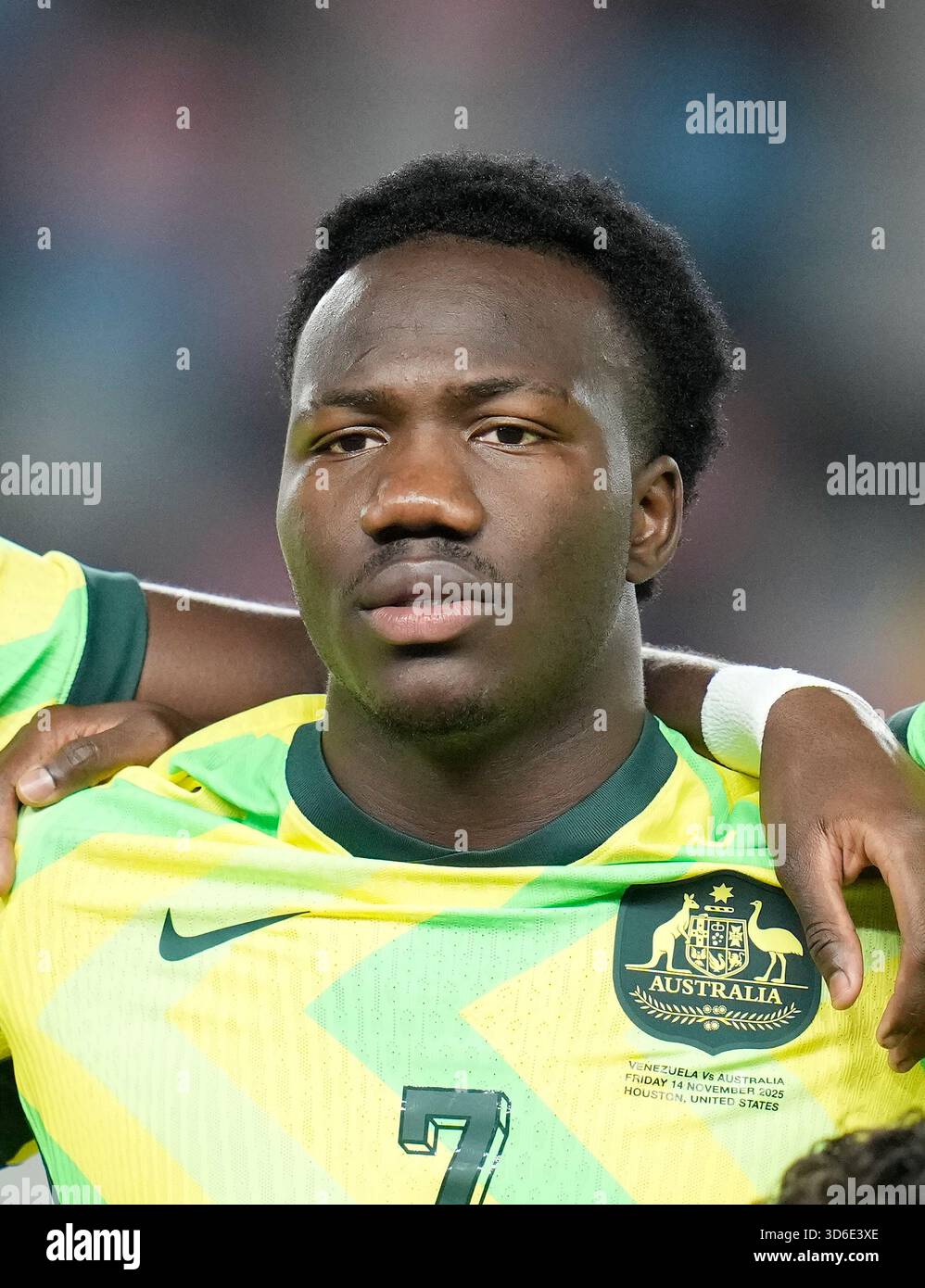
The Australian men’s national soccer team, the Socceroos, is highlighting the role of refugee and immigrant players in its roster ahead of the upcoming FIFA World Cup. According to Professional Footballers Australia (PFA), the campaign serves as a public defense of multiculturalism at a time when anti-immigrant sentiment is rising globally. The team features several athletes who spent their childhoods in refugee camps, including Awer Mabil, Mohamed Touré, and Nestory Irankunda.
How are the Socceroos framing the role of immigrants in sports?
The Socceroos are positioning their diverse squad as a reflection of Australia’s national identity. According to PFA CEO Beau Busch, the players serve as a “powerful record of who we are” during a period where political rhetoric often questions the place of immigrants in society. The organization released a video featuring Mabil, who was born in a Kenyan refugee camp to South Sudanese parents, to emphasize that while there are many paths to wearing the national jersey, the singular goal remains bringing pride to the country.
The Australian squad includes at least three players—Mabil, Touré, and Irankunda—who were born in refugee camps in Kenya, Guinea, and Tanzania, respectively. Milos Degenek also spent his early childhood as a refugee in Serbia before arriving in Australia.
Why is this message surfacing during the current political climate?
The team’s advocacy occurs alongside increased international tension regarding immigration. In Northern Ireland, anti-immigrant rhetoric recently contributed to two nights of violent civil unrest, according to reports. In the United States, current immigration policies have intersected with the World Cup itself; according to reports, officials denied entry to Somali referee Omar Artan due to visa restrictions. These events stand in contrast to the Socceroos’ campaign, highlighting a growing tension between global sports integration and national border policies.
What are the future implications for international sports teams?
As national teams become increasingly multicultural, they face mounting pressure to act as cultural symbols. The Socceroos’ approach contrasts with the approach of some national programs that face internal pressure to limit foreign-born representation. While Australia leans into its demographic diversity, other nations have seen “March for Australia” style demonstrations, where anti-immigrant groups have clashed with authorities. The success of the Socceroos, who have reached the World Cup round of 16 in two of the last five tournaments, suggests that inclusive recruitment remains a strategic asset for the team’s on-field performance.
Pro-Tip: Tracking Team Diversity
For fans following the tournament, look for how national federations define “national identity.” Teams with high numbers of diaspora players often face unique challenges in balancing heritage with team unity, a dynamic that influences both locker room culture and public perception.
Frequently Asked Questions
- Who are some of the refugee players on the Australian team?
Awer Mabil, Mohamed Touré, and Nestory Irankunda are among the players who were born in refugee camps before settling in Australia. - Where is Australia training for the upcoming World Cup?
The team is currently training in Oakland, California, ahead of their opening match against Turkey in Vancouver, Canada. - Why does the PFA believe this campaign is necessary?
According to PFA CEO Beau Busch, the campaign is a response to efforts by some to divide the community and question who belongs in Australian society.
What do you think about the role of national teams in social advocacy? Share your thoughts in the comments below or subscribe to our newsletter for more insights into the intersection of sports and global politics.