
Austria Approves €19.5 Billion ÖBB Infrastructure Plan for 2027-2032
The Austrian federal government has approved the ÖBB Framework Plan for 2027 through 2032, earmarking 19.5 billion euros for rail infrastructure development. According to Chancellor Christian Stocker and Mobility Minister Peter Hanke, the investment aims to bolster the transition to emission-free transport while prioritizing critical international transit links, including the Brenner Basistunnel.
Budget Allocation and Strategic Priorities
The six-year plan focuses on consistent annual investment, starting with over three billion euros per year from 2027 to 2029. Funding is slated to increase to 3.2 billion euros in 2030, 3.3 billion euros in 2031, and a record 3.8 billion euros in 2032. Minister Hanke stated that this funding represents a clear commitment to the mobility transition despite existing budget consolidation requirements.
Infrastructure Trade-offs and the Brenner Nordzulauf
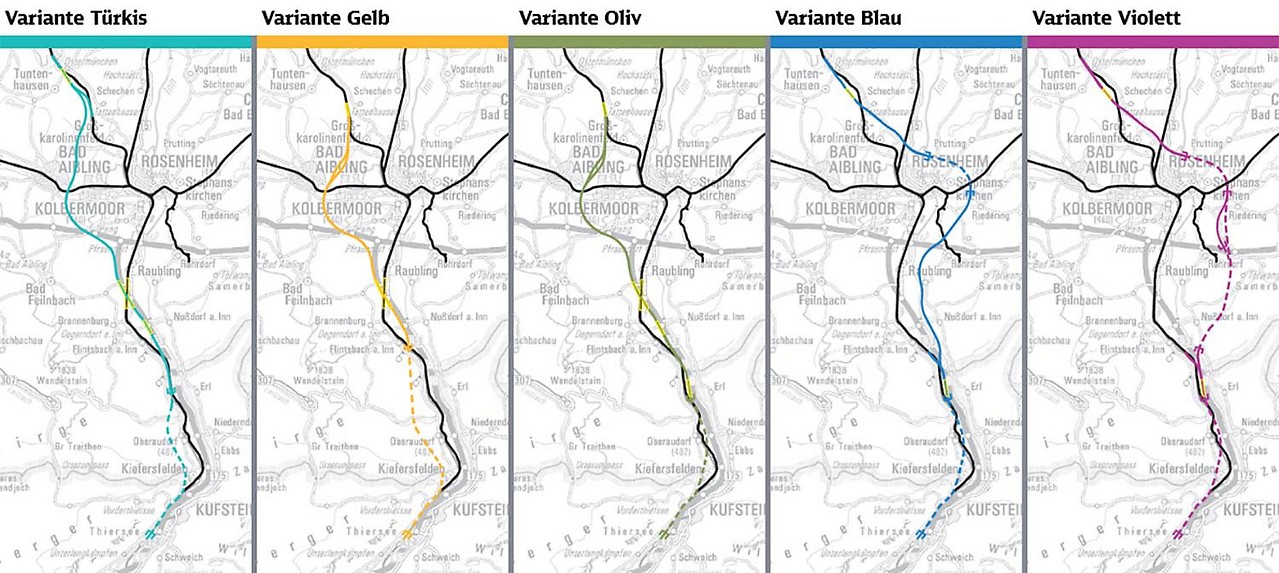
Budget constraints in 2027 and 2028 forced the government to reduce the framework plan by approximately 500 million euros, necessitating the postponement of specific projects. After reviewing options, including delaying the Brenner-Nordzulauf or the Flughafenspange in Lower Austria, the government chose to shift the timeline for the Flughafenspange. Minister Hanke emphasized that delaying the Brenner-Nordzulauf would have sent the “wrong signal” regarding transit relief for the population in Tirol.
Project Acceleration and Future Outlook
Following an inventory review by ÖBB-Infrastruktur AG, several projects have been prioritized for faster completion. The Nordbahn expansion between Wien Süßenbrunn and the state border near Bernhardstal is now expected to finish in 2034. Additionally, the new Puchbergbahn project has been accelerated by six years, a development attributed to faster administrative approval and permitting processes.
Looking ahead, the federal government plans to intensify technical and political coordination with Germany to synchronize the expansion of cross-border rail links. The government maintains that such cooperation is essential to realizing the full potential of the Brenner Basistunnel as a central European infrastructure asset. Future framework plans will likely be adjusted based on the development pace of connecting routes within Germany to ensure financial resources remain targeted and effective.
Frequently Asked Questions
What is the total volume of the ÖBB-Rahmenplan 2027-2032?
The total investment volume for the six-year period is approximately 19.5 billion euros.
Why was the Flughafenspange project delayed?
The project was delayed to accommodate budget consolidation requirements of approximately 500 million euros in the 2027/2028 period, as the government opted to protect the timeline for the Brenner-Nordzulauf.
Which projects are being completed earlier than originally planned?
The Nordbahn expansion to the border near Bernhardstal is now scheduled for 2034, and the new Puchbergbahn is expected to be completed six years ahead of its original schedule.
How do you think prioritizing international rail transit corridors will impact the daily commute for local passengers in your region?