
Austrian Para-Badminton Championships: Boosting Visibility and Inclusion
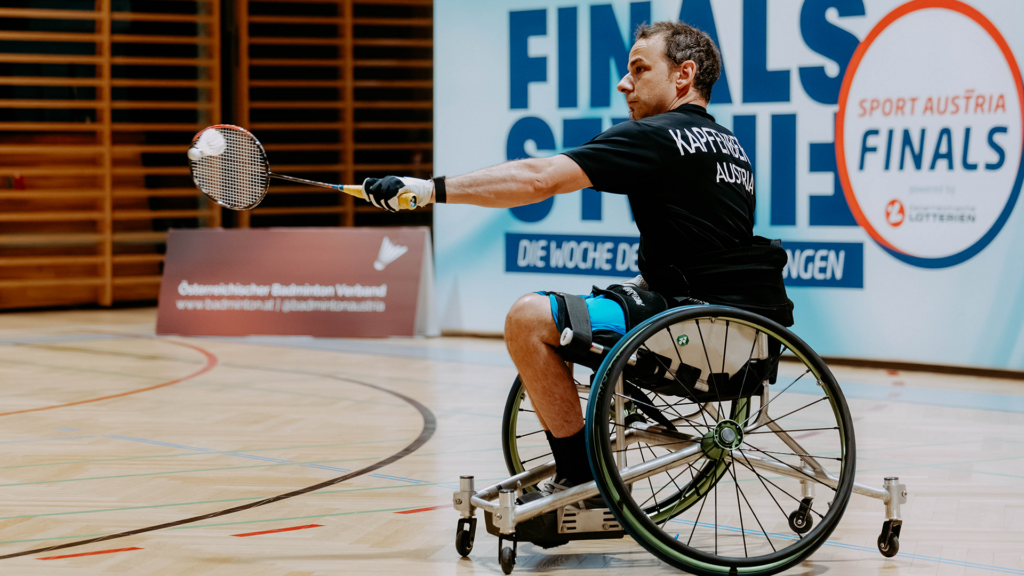
The Austrian Para-Badminton National Championships recently concluded as part of the Sport Austria Finals powered by Österreichische Lotterien in Vienna. Featuring 12 athletes across wheelchair and standing classes, the event underscored the sport’s rising visibility, with Johann “Hans” Faerrer successfully defending his national title in the wheelchair category.
Why visibility is driving growth in Para-Badminton
The decision to integrate the national championships into the Sport Austria Finals has fundamentally changed the sport’s reach. According to ÖBV General Secretary Tina Riedl, the public attention—including media reports, photos, and award ceremonies on the large stage at Vienna’s Rathausplatz—provides athletes with the visibility they deserve.
Riedl notes that this visibility “works outward and inward.” The positive reception from the previous year’s event in Innsbruck motivated many athletes to compete this year, moving the championships out of “quiet rooms” and into the public eye.
How the event integrated professional inclusion
The tournament at Sporthalle Mollardgasse served as a practical exercise in inclusion. National squad players from the Austrian Badminton Association acted as line judges, referees, and scorers to support the competition.
National team player and aspiring teacher Leon Seiwald described the experience as a way to see inclusion in practice, a major theme in his studies. Seiwald expressed admiration for the speed of wheelchair players and the specific challenges faced by those in the standing class.
Who dominated the wheelchair category?
Johann “Hans” Faerrer and Daniel Kontsch have established themselves as part of the extended world elite in Para-Badminton doubles. The pair first secured the doubles title in Vienna before facing each other in the wheelchair singles final.
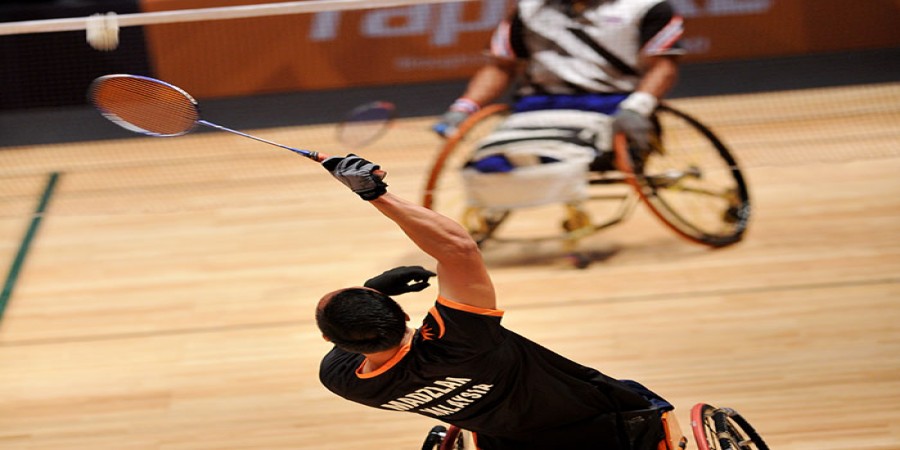
Faerrer, 58, defended his national title with a score of 21:15 and 21:18. Having used a wheelchair for three years following a motorcycle accident, Faerrer credits his success to a mindset of pushing forward rather than giving up.
Kontsch, the vice-national champion, attributed their high level of play to their shared training efforts, noting that he has made significant progress on the court compared to the previous year.
What happens next for the Austrian team?
The immediate focus for the national team is moving toward the European top tier. Faerrer stated that winning a medal at the European Championships next year would be a “dream.”
National coach Britta Rudolf, who has supported the sport since its inception in Austria, believes a European medal is a “huge but certainly achievable goal.” While Rudolf described the Paralympics as an “enormously high mountain,” she maintains that such ambitions are essential for the team’s growth.
Frequently Asked Questions
How many athletes participated in the championships?
The event featured 12 athletes in total: 11 men and one woman.
What was the result of the wheelchair singles final?
Johann “Hans” Faerrer won the final against Daniel Kontsch with scores of 21:15 and 21:18.
When were the championships last revived?
After a long interruption caused by the pandemic, the national championships were revived in 2025 during the Sport Austria Finals in Innsbruck.
Do you believe integrating adaptive sports into mainstream athletic finals is the most effective way to increase visibility for para-athletes?